

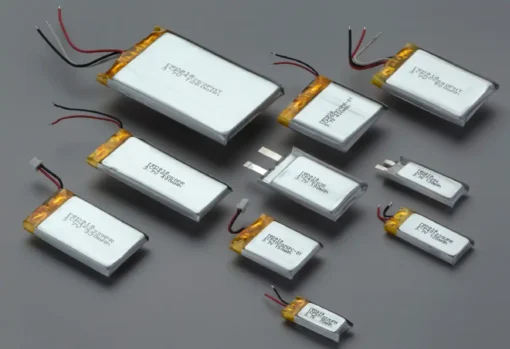
The li-polymer battery has the feature of ultra-thin. It can be matched to the needs of some products and then made into different shapes and capacities. The theoretical minimum thickness is up to 0.5mm. Compared to li-polymer batteries. Compared with the li-polymer battery, the characteristics of a lithium polymer battery are as follows.
Mehr anzeigen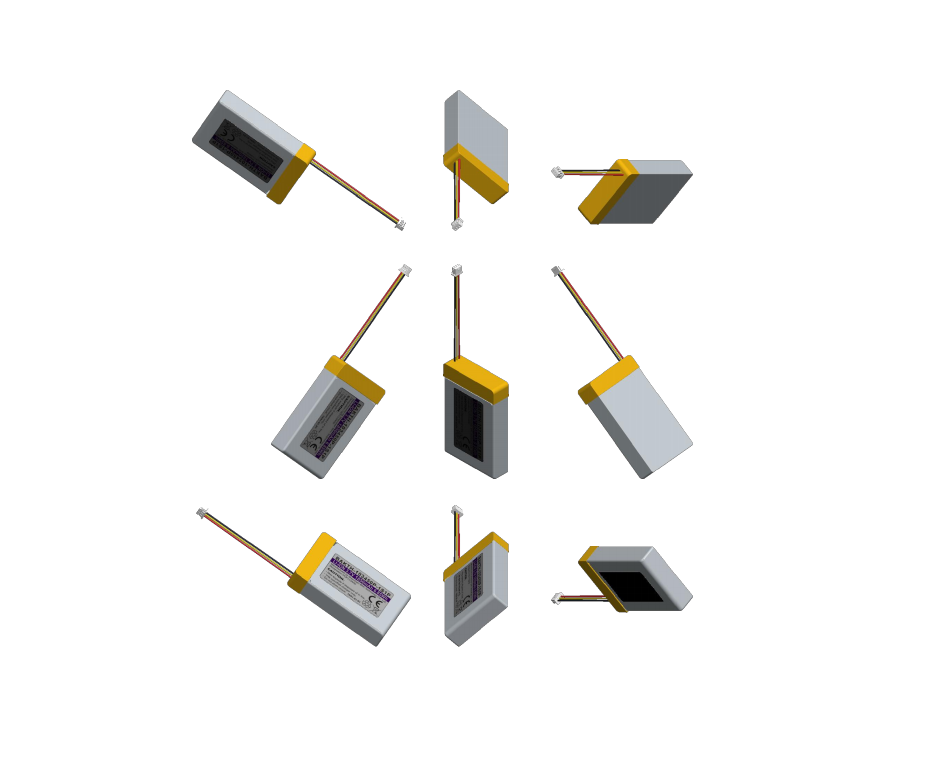
A li-polymer battery is a type of chemical battery. Compared to conventional batteries, they are characterized by higher energy, smaller size, and lighter weight.
Mehr anzeigen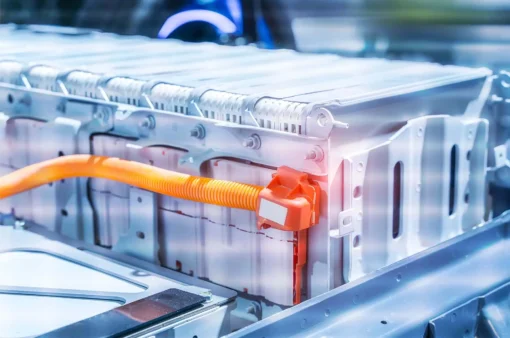
A li-polymer battery is a type of lithium-ion battery. the li-polymer battery is usually composed of several identical parallel sub-cells (secondary cells) to increase the discharge current. Or several packs of cells are connected in series to increase the available voltage.
Mehr anzeigen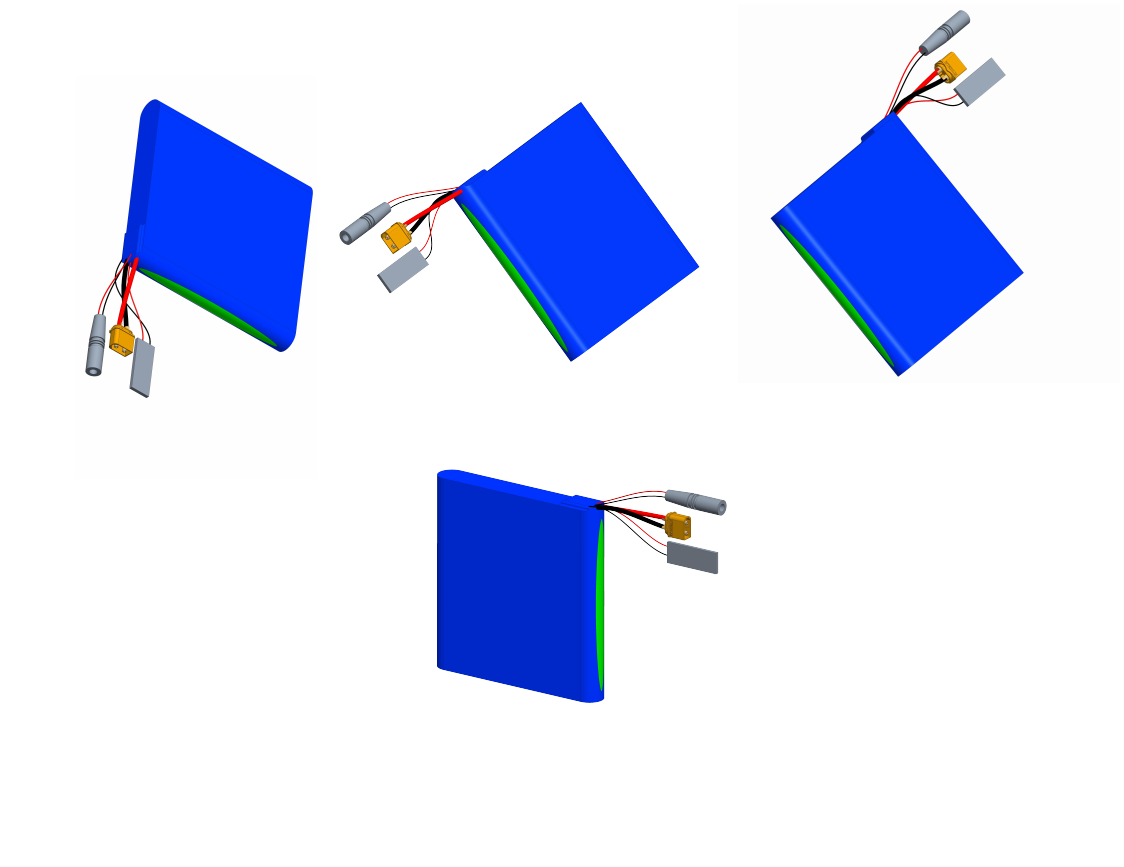
The Li-polymer battery is using file alloy as the positive electrode. It uses polymer conductive materials, polyacetylene, polyaniline, or poly-p-phenol for the negative electrode. It uses organic solvent as the electrolyte. The specific energy of the lithium-polyaniline battery can reach 350W.h/kg. but the specific power is only 50-60W/kg, the use temperature is -40-70 degrees, and the lifetime is about 330 times.
Mehr anzeigen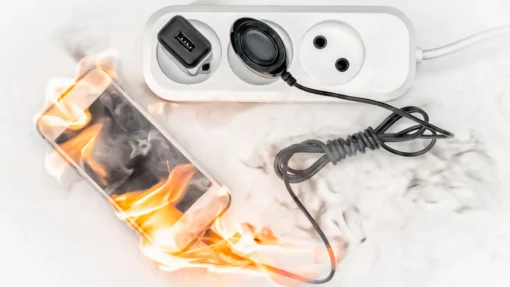
Li-polymer batteries are a branch of lithium-ion batteries developed from lithium-ion batteries. Lithium polymer batteries are lithium-ion batteries that are completely solid or gel-like electrolytes. Aluminum-plastic composite film is generally used as the packaging material. Lithium-ion battery generally refers to the aluminum case battery. The electrolyte is a liquid and the outer packaging material is an aluminum case. Lithium polymer batteries are safer than lithium-ion batteries. The li-polymer battery is an upgrade of the lithium-ion battery.
Mehr anzeigen
Discover the Key Differences Between Lithium Polymer Batteries and Other Types! A li-polymer ? (wiki) works like a liquid lithium battery. The big difference is the electrolyte (wiki). Instead of liquid, it uses a polymer. The battery has three main parts: a positive side, negative side and the electrolyte. In a lithium polymer battery, at least one of these parts is made from a polymer material
Mehr anzeigen
 Hotline
 E-Mail
 Adresse
RM 2201, Longshenghengbo Center, Jianshe East Road and Bulong Road Intersection, Longhua District, Shenzhen, Guangdong, China
B13 Bldg, Lihe Zijing Science and Technology Innovation Center Headquarters, No. 55, Qinghu East Road, Qingxi Town, Dongguan City, Guangdong Province, P.R. China


