


LiFePO4 vs Regular Lithium Batteries
When buying batteries or sourcing products, we mainly care about three things: safety, long life, and good value. Without technical jargon, let’s talk honestly about the pros and cons of LiFePO4 (Lithium Iron Phosphate) and regular lithium batteries (mostly ternary lithium) from a buyer’s perspective, so you can choose the right one easily.
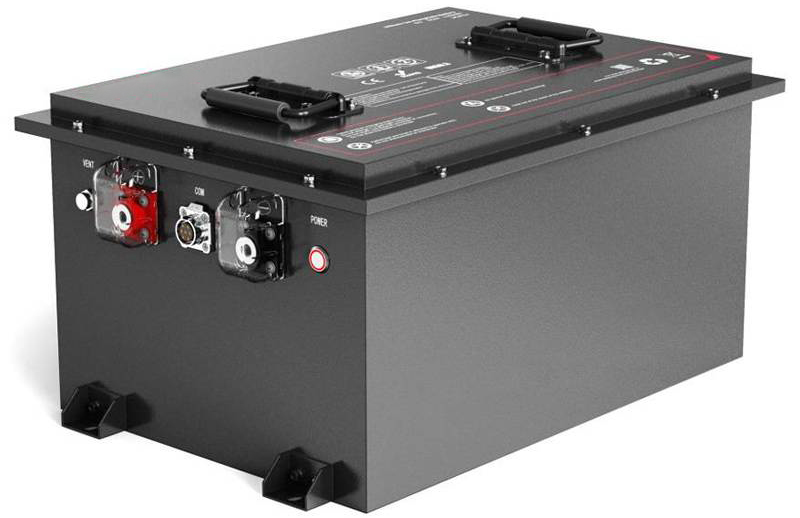
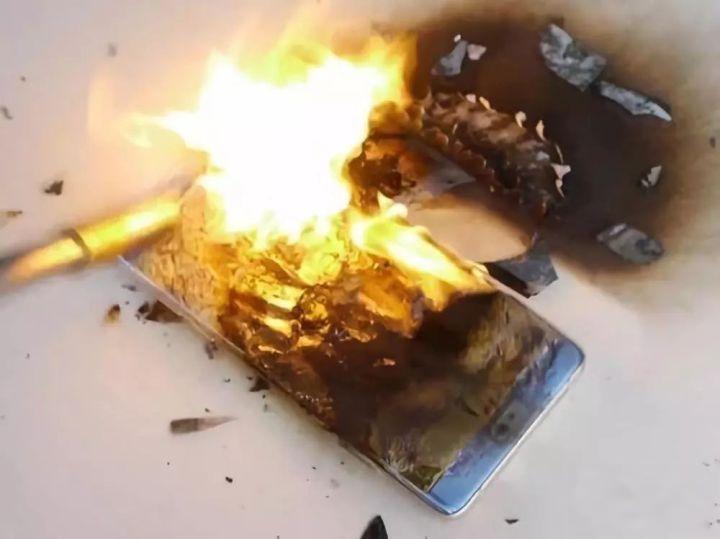
To be straightforward, whether for golf carts, energy storage, or low-speed vehicles, safety always comes first. Even with high profits, one safety incident can lose customers and damage your reputation.
Let’s start with LiFePO4 batteries — the most popular choice for bulk buyers:
Safer to use
Stable and reliable. They rarely overheat or catch fire, even in hot weather, regular charging, or transport. You can supply them to customers with confidence.
Longer lasting
Over 6000 cycles, more than double the life of regular lithium batteries. Customers use them for years, with very few returns or after-sales problems.
Stable power
Consistent performance for golf carts. No sudden power drops or unstable voltage, so customers stay satisfied and reorder.
Better long-term value
Durable and low-failure. Less replacement and less hassle mean lower long-term costs and more stable profits.
Easier for export
No heavy metals, eco-friendly, and simple to certify for Europe, America, and other markets. No delays on customs compliance.
LiFePO4 is not perfect:
For the same capacity, it is slightly heavier and larger than regular lithium batteries, but this hardly matters for golf carts and energy storage.
Performance drops a little in very cold weather, but a self-heating function can easily fix this.
Now regular lithium batteries — they have clear strengths but also big weaknesses:
Advantages
Light and compact
Smaller and lighter for the same power, good when weight or space is critical.
Better in cold weather
Less power loss in low temperatures, suitable for short-term use in cold areas.
Disadvantages
Much less safe
Higher risk of overheating and fire in hot conditions or with improper charging. Many golf cart and industrial buyers avoid them.
Shorter life
Only around 2000 cycles. Performance fades quickly in 1–2 years, leading to customer complaints.
Unstable costs
Contains cobalt, so prices go up and down. Hard to control your costs and profit.
Harder to export
Contains heavy metals with stricter certification rules. Can cause delays in customs.
In short
For buyers, low risk and long-term reliability matter most.
Choose LiFePO4 for golf carts, energy storage, and low-speed vehicles — safer, longer-lasting, and easier after-sales.
Choose regular lithium batteries only if light weight is your top priority, and always inform customers of its limitations.
Now that you understand the difference, stop wasting time comparing and start working with a reliable supplier.
Contact us today for a free bulk quote on LiFePO4 batteries (including our 48V 100Ah golf cart model). We also offer sample requests and one-on-one support from a buyer specialist. Whether you need bulk orders, OEM/ODM customization, or export certification help, we make the whole process simple — so you can grow your business with confidence.


 Previous
 Hotline
 Email
Email
 Address


