

Jun 08, 2026 |BAKTH
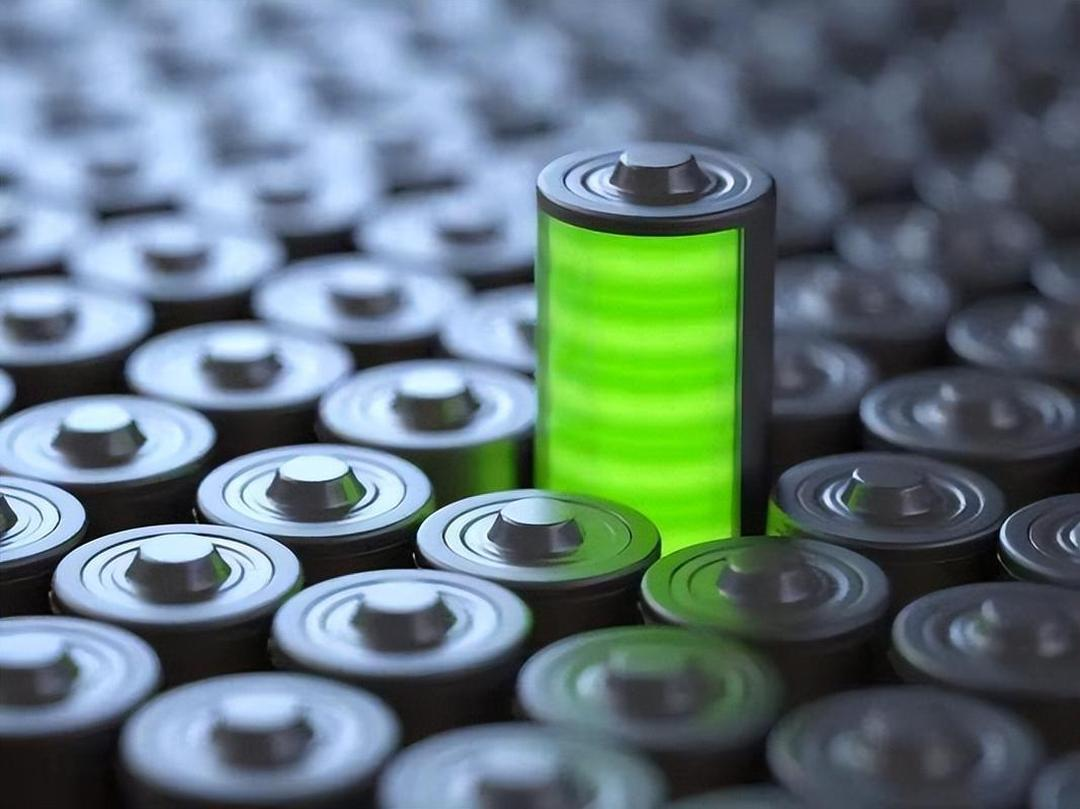
Lithium-ion batteries feature high energy density and stable output, but they are highly sensitive to abnormal voltage. Even slight overcharging will gradually reduce usable capacity. Once capacity degrades, batteries are much more likely to suffer deep over-discharge during daily operation.
This cycle raises internal resistance and generates excessive heat. In severe cases, thermal runaway occurs, bringing major safety threats to end devices, vehicles and energy storage systems.
For multi-cell battery packs, inconsistent cell status makes the problem worse. One problematic cell will affect the entire pack’s performance, causing early failure and frequent after-sales issues. For battery producers and distributors, unreliable protection directly means higher return rates and damaged brand reputation.
The industry has relied on three mainstream protection solutions for years, and each comes with obvious shortcomings that impact production cost, product design and user experience.
Complete monitoring and protection circuits add extra weight, increase structural complexity and push up material and assembly costs. For slim consumer electronics, lightweight EV batteries and compact portable devices, these extra loads are hard to ignore.
Standard thermal separators will cut off ion flow when temperature reaches around 160°C. This is a one-time protection. Once activated, the cell cannot work again permanently. The remaining healthy cells in the pack will bear heavier loads, which speeds up aging and reduces the whole pack’s cycle life.
This chemical protection approach can only support limited current and charging speed. Worse still, its performance drops sharply in low-temperature environments. It is not a dependable choice for electric vehicles and outdoor energy storage batteries that work in cold areas.
All these pain points push manufacturers to adopt better internal components to lift overall battery safety.
A quality battery separator membrane is a core internal component to guard lithium-ion cells against overcharge, over-discharge and thermal risks. Made of porous fiber materials with optimized formulas, it works steadily alongside other parts inside every cell.
Under normal charging and discharging conditions, the separator maintains good insulation while allowing smooth lithium ion movement. It supports high charge and discharge rates, and helps batteries keep excellent power density and regular performance.
When cells hit unsafe voltage or temperature limits, the separator acts as a reliable safety barrier to suppress abnormal chemical reactions. It effectively stops excessive heat buildup and avoids thermal runaway, fire or explosion. Meanwhile, well-designed separators also assist with lithium cell balancing within packs, minimizing performance differences between individual cells.
We can also adjust material formulas to match different lithium battery chemistries, making this component adaptable for diverse product lines and custom battery orders.
Using qualified high-performance separator membranes brings tangible advantages throughout production, sales and long-term use:
Batteries equipped with premium separator membranes fit a wide range of commercial and industrial applications:
Long-cycle tests have proven the durability of qualified separator membranes. After hundreds of continuous charge and discharge cycles and over 1770 hours of running time, the components remain intact and functional.
No performance decay or abnormal failure appears during long-term operation. This stable performance is essential for commercial batteries that require long service life and low failure rates. As a manufacturer, we apply strict component screening and full testing for every batch to guarantee consistent quality for global bulk orders.
A: Yes. High-quality separators serve as a solid internal safety layer. They can work with standard BMS to form dual protection, further enhance safety, and also help simplify BMS design to cut costs.
A: Yes. We can adjust material formulas to fit different lithium chemistries, so it works for all mainstream battery types we produce.
A: No. Under regular working status, it keeps low impedance and high ionic conductivity, so charging speed and power output will not be affected.
A: It lowers product failure rate and after-sales cost. Stable quality reduces returns, and better cell balance also improves the overall performance of finished battery packs.
A: Definitely. Different from traditional chemical additives, our matched separators maintain stable protection performance at low temperatures.
Overcharge and over-discharge are inevitable challenges for the lithium battery industry. Traditional protection methods all have noticeable drawbacks in cost, structure or environmental adaptability.
Selecting premium internal components like high-performance separator membranes is a practical and efficient way to improve overall battery safety and durability. It helps battery manufacturers deliver more competitive products, and brings stable, low-risk solutions to distributors, project contractors and end users.
As a professional lithium battery manufacturer, BAKTH strictly selects core components and follows complete production and testing standards. We supply reliable lithium-ion batteries, LiFePO4 batteries and custom packs for global clients. Whether you need standard products or customized battery solutions, welcome to contact our team for detailed specs and wholesale quotes.
Built-in high-performance separator membranes, dual protection with BMS, ultra-safe design for global B2B bulk orders.
BAKTH | Professional Lithium Battery Manufacturer
Email: info@bak-tech.com | Tel: +86 138 2871 3564


 Hotline
 Email
Email
 Address
RM 2201, Longshenghengbo Center, Jianshe East Road and Bulong Road Intersection, Longhua District, Shenzhen, Guangdong, China
B13 Bldg, Lihe Zijing Science and Technology Innovation Center Headquarters, No. 55, Qinghu East Road, Qingxi Town, Dongguan City, Guangdong Province, P.R. China


 Previous