

Apr 21, 2026 |BAKTH
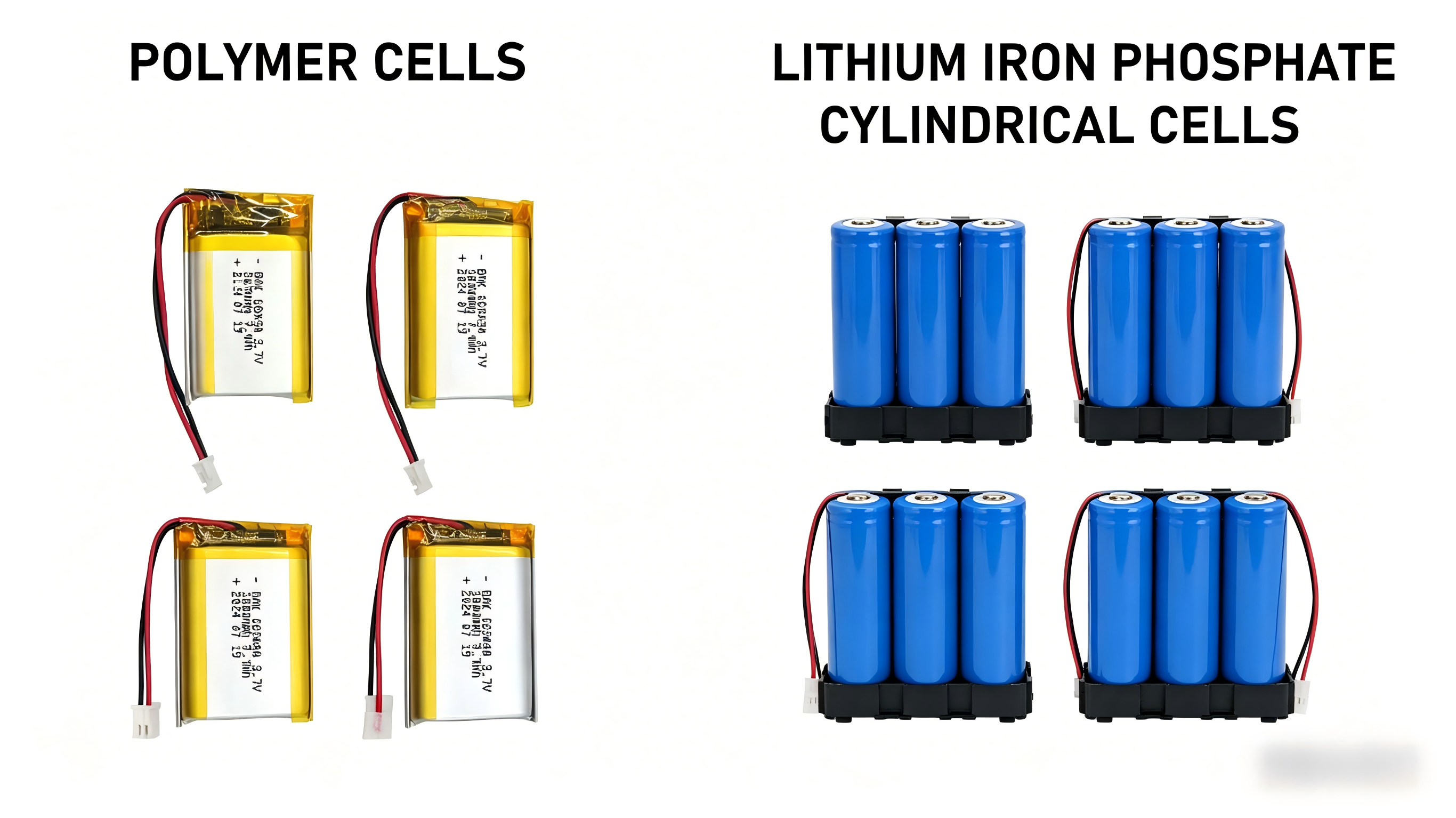
When comparing lithium polymer (LiPo) and lithium-ion (Li-ion) batteries, lifespan is one of the most important factors for buyers, engineers, and industrial users. While both chemistries offer high performance, their cycle life, aging characteristics, and usable lifetime can differ significantly.
In this article, we explain which battery type lasts longer, what affects their lifespan, and how to extend the service life of your batteries.
Cycle life refers to the number of full charge-discharge cycles a battery can complete before capacity drops to 80% of its original level.
Both battery types degrade faster under these conditions:
At BAK Battery, we produce high-stability lithium batteries with optimized cycle life and extended service time. Our Li-ion cells deliver exceptional durability for industrial and high-demand use, while our LiPo batteries balance lightweight performance with reliable lifespan.
We support custom designs, OEM/ODM production, and strict quality control to ensure long-lasting, safe power solutions.
Li-ion batteries generally last longer than LiPo batteries in terms of both cycle life and overall service life. LiPo is lighter and more flexible but degrades faster. Li-ion is more durable, stable, and ideal for long-term applications.
If you need high-lifespan battery cells or custom battery packs, feel free to contact our team for professional support.


 Hotline
 Email
Email
 Address
RM 2201, Longshenghengbo Center, Jianshe East Road and Bulong Road Intersection, Longhua District, Shenzhen, Guangdong, China
B13 Bldg, Lihe Zijing Science and Technology Innovation Center Headquarters, No. 55, Qinghu East Road, Qingxi Town, Dongguan City, Guangdong Province, P.R. China


 Previous