

Apr 20, 2026 |BAKTH
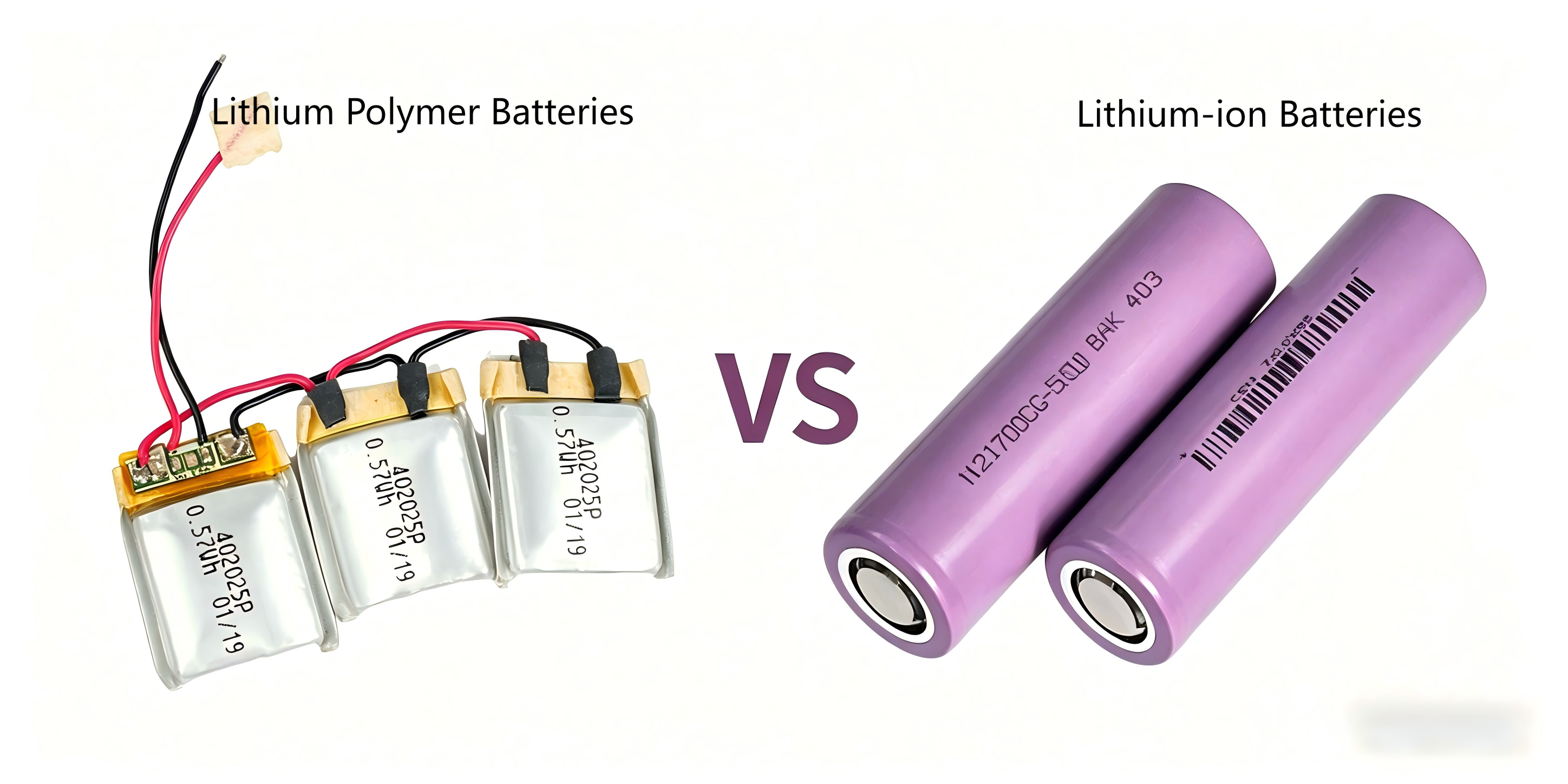
Nowadays, lithium-polymer (LiPo) and lithium-ion (Li-ion) batteries are widely used in portable electronics, electric vehicles, drones and many other devices. Many people ask: which of these two mainstream rechargeable batteries is safer? In this article, we break down their safety features, potential risks and usage tips based on real-world applications, to help you choose the right battery easily.
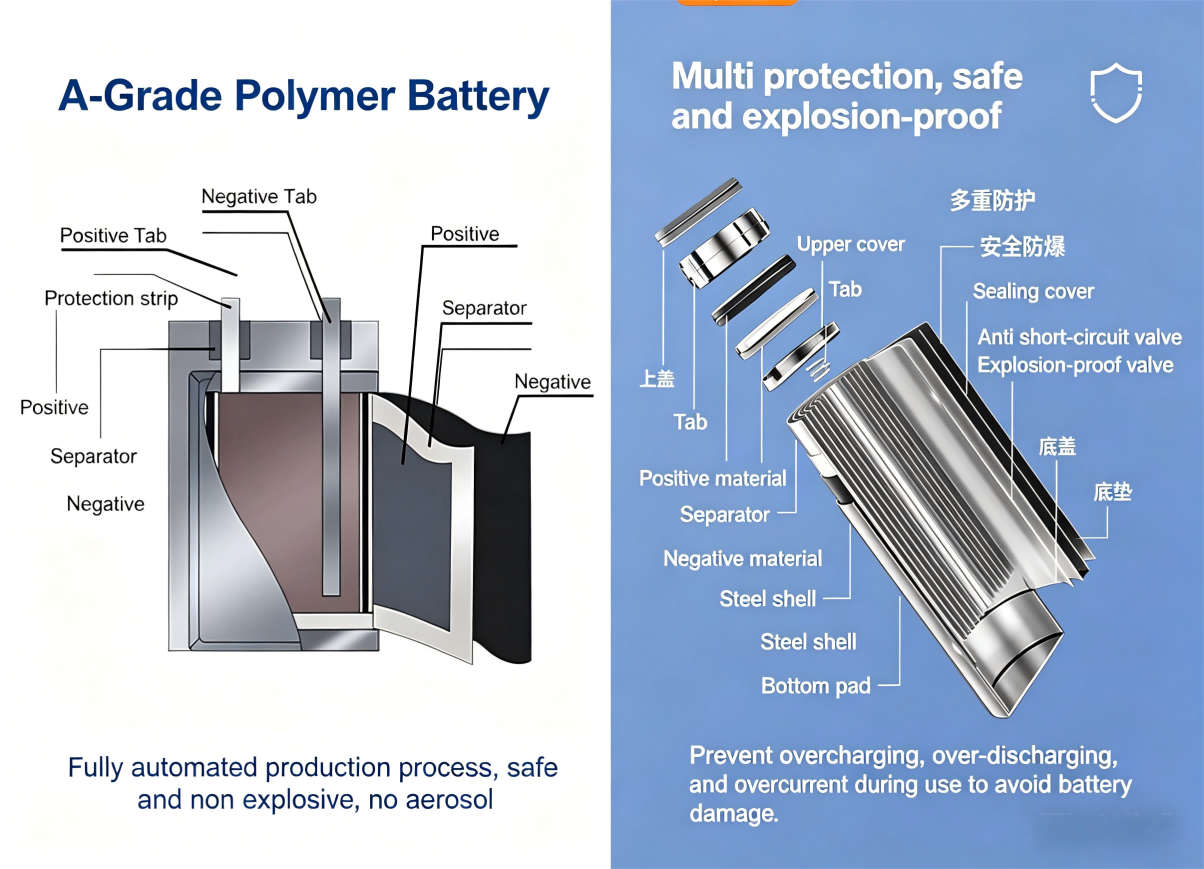
To understand safety, you first need to know the structural differences that shape how each battery behaves.
Choosing a reliable brand is just as important as proper usage. BAKTH has years of experience in the battery industry. Both our LiPo and Li-ion batteries go through strict quality control and advanced safety design. While delivering strong performance, they fully meet international safety standards for consumer electronics, drones, power tools and more, giving users reliable and safe power.
There is no absolutely “safer” choice between LiPo and Li-ion batteries. Safety depends on matching the battery to its use case and following correct handling practices. By choosing the right battery for your needs and using it carefully, you can maximize performance while minimizing risks. If you have further questions about battery safety, feel free to leave a comment below.


 Hotline
 Email
Email
 Address
RM 2201, Longshenghengbo Center, Jianshe East Road and Bulong Road Intersection, Longhua District, Shenzhen, Guangdong, China
B13 Bldg, Lihe Zijing Science and Technology Innovation Center Headquarters, No. 55, Qinghu East Road, Qingxi Town, Dongguan City, Guangdong Province, P.R. China


 Previous