Modern Life’s Most Reliable Power Source | 2026 Updated Guide
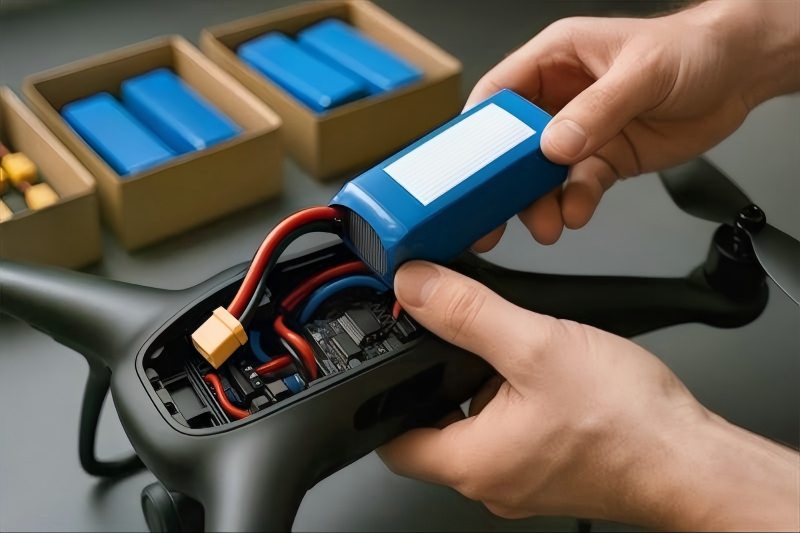
Rechargeable lithium-ion batteries aren’t just for smartphones anymore. They’ve evolved into the backbone of modern power—fueling everything from life-saving medical devices to luxury yachts, and from smart homes to grid-scale energy farms. Lightweight, long-lasting, and incredibly efficient, lithium-ion batteries deliver unmatched reliability across residential, commercial, industrial, and recreational settings.
But before they became ubiquitous, lithium-based power went through decades of scientific breakthroughs, safety hurdles, and material innovations—a journey that earned three pioneers the 2019 Nobel Prize in Chemistry.
A Brief History: From Lab Curiosity to Global Powerhouse
The story of lithium-ion batteries starts in the mid-20th century, driven by the need for high-energy power in aerospace and military applications. Here’s how it unfolded:
- 1950s–1960s: Early Exploration
Researchers first experimented with lithium metal as an anode, thanks to its light weight and high electrochemical potential. The U.S. military and NASA funded early work on lithium primary (non-rechargeable) batteries for satellites and spacecraft—laying the groundwork for future innovations. - 1970s: The First Rechargeable Lithium Concept
In 1976, Stanley Whittingham (then at ExxonMobil) developed the first functional rechargeable lithium battery, using titanium disulfide (TiS₂) as the cathode and lithium metal as the anode. It worked—but had a critical flaw: dangerous lithium dendrite growth, which caused short circuits and fires, making it too risky for widespread use. - 1980s: The Breakthroughs That Changed Everything
In 1980, John Goodenough (University of Texas) invented the lithium cobalt oxide (LiCoO₂) cathode, doubling the battery’s voltage to ~4V and drastically boosting its energy density.
Just five years later, Akira Yoshino (Asahi Kasei) solved the safety issue by replacing the unstable lithium metal anode with carbon-based materials (petroleum coke). This created the first true lithium-ion battery prototype—no pure lithium metal, no dendrite risk, and ready for real-world use. - 1991: Commercial Launch – The Modern Lithium-Ion Era Begins
In 1991, Sony released the world’s first mass-produced lithium-ion battery, initially powering camcorders before quickly expanding to mobile phones. The term “lithium-ion” was coined to set it apart from the dangerous lithium-metal batteries of the past. - 1996–2000s: Safety & Performance Go Mainstream
Goodenough’s team introduced lithium iron phosphate (LiFePO₄) in 1996—a safer, cheaper alternative ideal for electric vehicles (EVs) and energy storage. Nickel-manganese-cobalt (NMC) cathodes followed, striking the perfect balance between energy density and safety for consumer tech and transportation. - 2010s–Today: Global Dominance & Nobel Recognition
As lithium-ion costs plummeted, the technology enabled the EV revolution and grid-scale energy storage. In 2019, Whittingham, Goodenough, and Yoshino shared the Nobel Prize in Chemistry for “creating a rechargeable world”—a testament to how their work transformed modern life.
Today’s lithium-ion batteries are the result of 70+ years of collective innovation—safer, more powerful, and more sustainable than ever before.
In this guide, we’ll break down the seven most impactful applications of rechargeable lithium-ion batteries—exploring how they power daily life, enable off-grid freedom, and drive the global shift to clean energy.
1. Emergency Power Backup & UPS Systems: Uninterrupted Power When It Matters Most
Power outages and grid instability can strike anytime—disrupting work, risking data loss, and endangering critical equipment. Lithium-ion batteries have revolutionized UPS (Uninterruptible Power Supply) and emergency backup systems, outperforming traditional lead-acid batteries and generators in nearly every way.
- Instant Power Delivery: Unlike generators that need time to fire up, lithium-ion UPS systems provide seamless, millisecond-fast power during outages—keeping computers, servers, medical devices, and communication systems running, or allowing for a safe shutdown.
- Ultra-Low Self-Discharge: They lose just 1–2% of charge per month (10x less than lead-acid), so batteries stay ready for emergencies even after months of sitting idle.
- Long Lifespan & Compact Size: They last 5–10 years (3x longer than lead-acid) and have a lightweight, space-saving design—perfect for homes, offices, data centers, and hospitals.
- Critical Use Cases: Home backup for lights and appliances; data center UPS to protect servers; medical facility backup for life-saving equipment; and remote site power for oil/gas or construction operations.
2. Electric Vehicles (EVs) & Recreational Transport: Powering Green Mobility
Lithium-ion batteries are the heart of the global electric mobility revolution—delivering the high energy density, lightweight design, and long cycle life needed for EVs, RVs, boats, and specialty vehicles.
Key Advantages for Mobility:
- Lightweight & Efficient: Up to 70% lighter than lead-acid batteries, cutting vehicle weight and boosting range and efficiency.
- Long Cycle Life: They handle 1,000–5,000 charge cycles (vs. 300–500 for lead-acid), supporting 10+ years of reliable use.
- Stable Voltage & Fast Charging: They maintain consistent power from full to low charge, and recharge 3–5x faster than lead-acid—minimizing downtime.
Top Applications:
- Electric Cars & Buses: NMC and LFP lithium-ion chemistries dominate, balancing range, safety, and cost for passenger EVs and public transit.
- RVs & Campers: Power lights, appliances, and AC for off-grid camping—no noisy generators required.
- Electric Bikes & Scooters: Lightweight, high-capacity batteries enable long commutes and hill-climbing power.
- Specialty Vehicles: Golf carts, forklifts, airport tugs, and patrol cars—quiet, zero-emission, and low-maintenance.
3. Marine & Boating: Reliable Power On The Water
Water and electricity are a risky mix—but lithium-ion batteries take the stress out of marine power, delivering safe, lightweight, and long-lasting energy for all types of vessels.
Why Lithium Is Perfect for Marine Use:
- Corrosion-Resistant & Sealed: Built with waterproof, corrosion-proof casings to stand up to saltwater, humidity, and rough seas.
- Weight Savings: Cut battery weight by 50–70% vs. lead-acid, improving boat performance, speed, and fuel efficiency.
- Deep Discharge Capability: Safely discharge up to 80–90% of capacity (vs. 50% for lead-acid), maximizing usable power for trolling motors, navigation, and onboard amenities.
Common Marine Applications:
- Small fishing boats and kayaks (trolling motors)
- Luxury yachts and cruisers (full onboard power)
- Sailboats (winches, lights, and electronics)
- Electric ferries and tour boats (zero-emission transport)
4. Solar & Renewable Energy Storage: Maximizing Clean Power
As solar and wind adoption surges, lithium-ion batteries have become the gold standard for renewable energy storage—solving the biggest challenge of renewables: intermittency (when the sun doesn’t shine or the wind doesn’t blow).
How Lithium Supercharges Solar Storage:
- Perfect Charging Match: Solar panels produce low-resistance DC power, which aligns with lithium-ion’s charging needs for fast, efficient energy capture.
- High Energy Density: Store more solar power in less space—ideal for residential rooftops, commercial solar farms, and remote off-grid systems.
- Long Lifespan: Last 15+ years with minimal capacity fade, matching the lifespan of solar panels for a low-cost, long-term clean energy solution.
Key Storage Use Cases:
- Home Solar Storage: Store excess daytime solar power for nights or cloudy days; provide backup during grid outages.
- Commercial & Grid-Scale Storage: Balance grid load, reduce peak demand costs, and store wind/solar energy for high-demand periods.
- Remote Off-Grid Systems: Power cabins, farms, and research stations with 100% clean energy—no grid connection needed.
5. Remote Surveillance & Security Systems: 24/7 Protection, No Wires
Securing remote or hard-to-reach locations is tough with wired power—until lithium-ion batteries. They enable wireless, long-term surveillance and security for perimeters, job sites, and remote assets.
Why Lithium Is Ideal for Remote Security:
- Long Standby Time: Ultra-low self-discharge (1–2%/month) means batteries last 3–5 years on a single charge for low-power devices like cameras and sensors.
- Weather-Resistant: Operate reliably in -20°C to 60°C (-4°F to 140°F)—perfect for deserts, mountains, and coastal areas.
- Compact & Wireless: Small, lightweight batteries fit in cameras, sensors, and alarms—no messy wiring or expensive trenching required.
Top Security Applications:
- Remote perimeter fencing and border patrol cameras
- Construction site security (cameras, motion sensors, alarms)
- Farm and ranch monitoring (livestock tracking, property protection)
- Fleet vehicle tracking and anti-theft systems
- Temporary event security (concerts, festivals, disaster response)
6. Medical & Mobility Equipment: Independence & Reliability
Lithium-ion batteries have transformed healthcare and mobility—enabling lighter, more portable, and longer-lasting medical devices that improve quality of life for millions.
Critical Advantages for Medical Use:
- Lightweight & Compact: Reduce device weight by 50–80% vs. lead-acid or nickel-cadmium batteries—easier for patients to transport and use.
- High Safety Standards: Medical-grade lithium batteries include multiple layers of BMS (Battery Management System) protection against overcharge, overheating, and short circuits.
- Long Runtime & Fast Charging: Power devices for 8–12 hours on a single charge; recharge quickly for minimal downtime in hospitals or home care.
Key Medical & Mobility Applications:
- Mobility Aids: Electric wheelchairs, mobility scooters, and stairlifts—lightweight, long-range, and reliable for daily independence.
- Portable Medical Devices: Ventilators, oxygen concentrators, defibrillators, and patient monitors—enabling safe transport and home care.
- Implantable Devices: Pacemakers and neurostimulators—small, long-lasting (7–10 years), and lightweight for patient comfort.
7. Portable Power & Consumer Electronics: Power For Everyday Life
From smartphones to wireless power stations, lithium-ion batteries are the unsung heroes of modern consumer tech—delivering unmatched portability, performance, and convenience.
Why Lithium Dominates Consumer Tech:
- High Energy Density: Pack more power into smaller, lighter designs—enabling slim smartphones, thin laptops, and compact wearables.
- No Memory Effect: Charge anytime, anywhere—no need to fully drain the battery first, preserving long-term capacity.
- Fast Charging & Long Cycle Life: Recharge in 1–2 hours; handle 500–1,000 cycles for years of reliable use.
Top Consumer & Portable Power Applications:
- Smartphones, Laptops & Tablets: The foundation of modern mobile computing—all-day battery life and fast charging.
- Wearable Tech: Smartwatches, fitness trackers, and wireless earbuds—tiny batteries with multi-day runtime.
- Wireless Power Stations & Power Banks: Portable lithium-ion stations power camping gear, tools, and electronics off-grid; compact power banks recharge phones on the go.
- Wireless Tools & Home Goods: Cordless drills, vacuums, and electric razors—lightweight, powerful, and free from tangled cords.
Why Lithium-Ion Batteries Outperform All Alternatives
Across every application, lithium-ion batteries outshine lead-acid, nickel-cadmium, and alkaline batteries with these core benefits:
| Feature | Lithium-Ion | Lead-Acid | Nickel-Cadmium |
|---|
| Energy Density | Highest (150–300 Wh/kg) | Low (30–50 Wh/kg) | Medium (50–80 Wh/kg) |
| Weight | Lightweight | Heavy | Medium |
| Cycle Life | 1,000–5,000 cycles | 300–500 cycles | 500–1,000 cycles |
| Self-Discharge | 1–2%/month | 20–30%/month | 10–15%/month |
| Maintenance | Zero maintenance | Regular watering/cleaning | Memory effect issues |
| Environmental Impact | Eco-friendly (recyclable) | Toxic lead disposal | Toxic cadmium disposal |
Conclusion: Lithium-Ion—The Power Of Now & The Future
Rechargeable lithium-ion batteries are more than just a power source—they’re a catalyst for progress. From keeping homes safe during outages to enabling zero-emission transportation, from powering life-saving medical devices to unlocking off-grid clean energy, lithium-ion batteries touch nearly every aspect of modern life.
As technology advances and costs continue to fall, lithium-ion batteries will expand into even more applications—from grid-scale energy farms to wearable medical tech, and from electric aircraft to smart city infrastructure. For anyone seeking reliable, efficient, and sustainable power, lithium-ion is the clear choice—today and for decades to come.
FAQ
Q1: Are lithium-ion batteries safe for home use?
A1: Yes. Quality lithium-ion batteries include BMS protection against overcharge, overheating, and short circuits. Always choose certified (UL, CE, RoHS) batteries from reputable brands to ensure safety.
Q2: How long do lithium-ion batteries last?
A2: Typically 5–15 years (1,000–5,000 cycles), depending on usage and quality. Medical and industrial-grade batteries often last 10+ years with proper care.
Q3: Can lithium-ion batteries be recycled?
A3: Yes. Lithium, cobalt, nickel, and other materials are highly recyclable. Many manufacturers offer take-back programs for responsible disposal and recycling—reducing environmental impact.
Q4: Do lithium-ion batteries work in cold weather?
A4: Yes, but performance may drop slightly below 0°C (32°F). Cold-weather lithium batteries (with heated BMS) operate reliably down to -20°C (-4°F)—perfect for outdoor or cold-climate use.
Contact Us


 Hotline
 Email
Email
 Address


 Previous