

May 01, 2026 |BAKTH
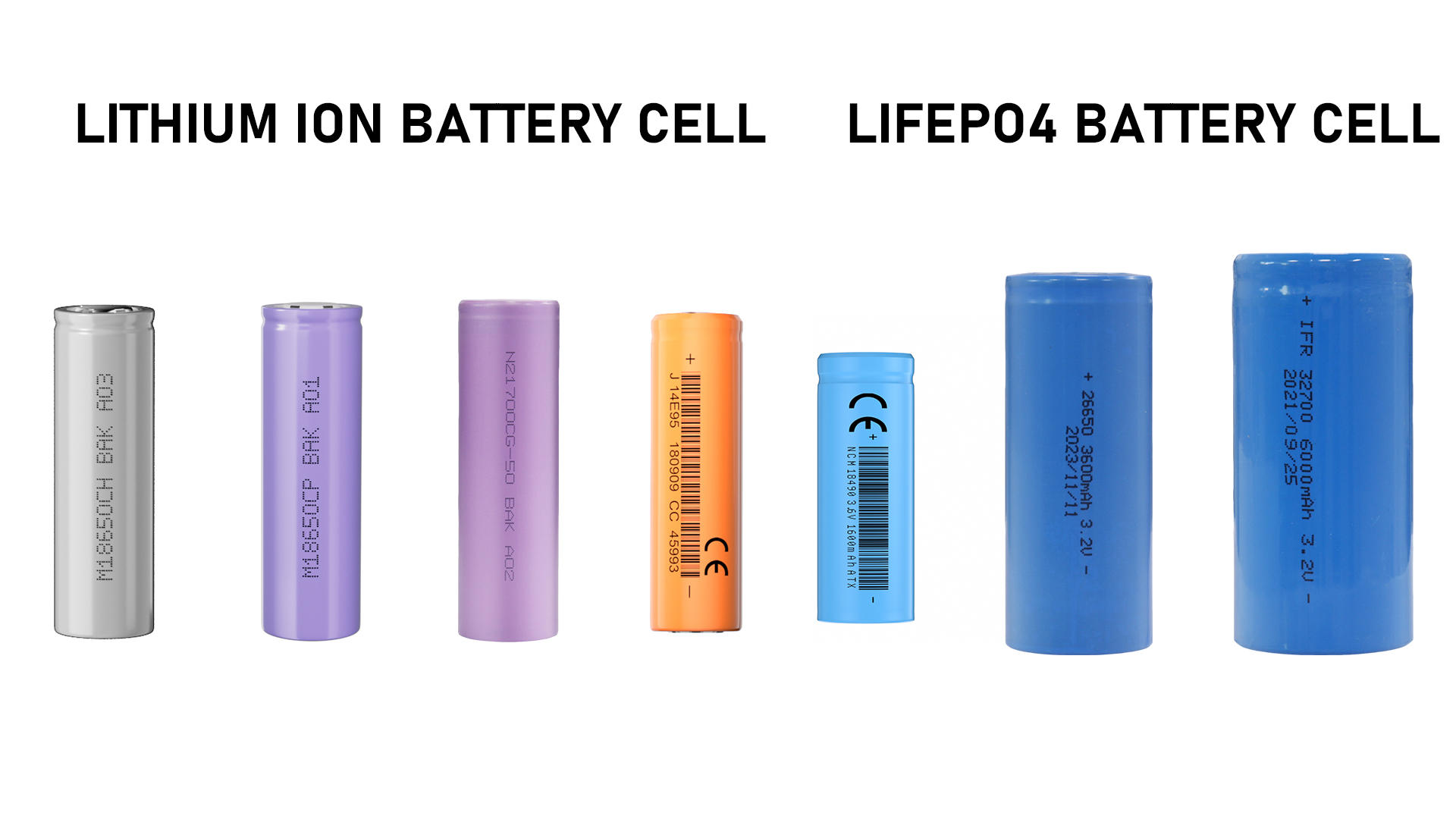
Lithium-ion batteries are everywhere in modern daily life. They power nearly every portable gadget, household tool, smart device, and large-scale energy system people rely on each day.
Thanks to high energy density, lightweight design, stable power output, and excellent rechargeable performance, lithium-ion batteries have replaced many traditional battery types. They deliver better durability, longer runtime, and greater eco-friendly value.
In this guide, we’ll break down all common devices that run on lithium-ion batteries, explain why Li-ion technology dominates the market, share easy identification tips, battery selection advice, and a clear side-by-side battery comparison.
Lithium-ion batteries are widely used across homes, offices, outdoor activities, and personal accessories. Their compact size and reliable performance make them the first choice for portable electronics.
Nearly all modern portable smart devices depend on lithium-ion cells:
Modern smart home products and cordless tools also rely heavily on Li-ion batteries for wireless freedom:
Most rechargeable personal care gear adopts lithium-ion batteries for long standby time and steady power:
For camping, commuting, and outdoor adventures, lithium-ion batteries provide stable long-lasting power:
Large electric vehicles, public transit buses, and delivery fleets also use massive lithium-ion battery packs to support clean, quiet, and low-carbon transportation.
Beyond everyday consumer goods, lithium-ion technology plays a critical role in high-end professional fields.
More businesses now replace bulky lead-acid batteries with lithium-ion UPS systems. Li-ion batteries feature low self-discharge, fast response, and long service life. They prevent sudden data loss and keep server systems running smoothly during unexpected power outages.
High-precision industries require safe, stable, and lightweight power solutions.
As renewable energy grows, lithium-ion batteries have become the core of energy storage. Home solar storage systems, commercial battery cabinets, and large grid-scale battery stations store extra solar and wind power. This balances energy supply, reduces waste, and helps families and businesses achieve independent green power usage.
The global demand for lithium-ion batteries keeps rising year by year. Eight key benefits make Li-ion stand out from all other battery chemistries:
Before replacement, shipping, or daily use, you can quickly identify battery types through simple methods.
Look for clear hints on the device shell, battery compartment, product packaging, or user manual:
Qualified lithium-ion batteries normally carry common global certifications:
CE, UL, RoHS, and UN38.3 labels prove safety and transportation compliance.
If you cannot confirm visually, check the official product page, technical specifications, or contact brand support to confirm the built-in battery type.
Choosing a suitable lithium-ion battery improves device performance and safety. Follow three simple steps:
Step 1: Confirm Battery Size & Model
Check your original battery or user manual to confirm size, shape, and model, such as 18650, 21700, AA lithium, or custom soft-pack batteries.
Step 2: Match Voltage & Capacity
Rated voltage must fully match your device requirements. Higher mAh or Ah capacity delivers longer working time without damaging your equipment.
Step 3: Choose Trusted Brands
Reputable brands use premium cells and complete safety protection designs. Stable quality reduces hidden risks caused by low-cost generic batteries.
| Feature | Lithium-Ion | Alkaline Battery | NiMH Battery |
|---|---|---|---|
| Rechargeable | Yes | No | Yes |
| Energy Density | Highest | Low | Medium |
| Weight | Lightweight | Moderate | Heavier |
| Voltage Stability | Constant output | Gradual drop | Slow attenuation |
| Self-Discharge Rate | Very low | Medium | High |
| Maintenance | None | None | Minimal |
| Environmental Impact | Recyclable & low waste | Single-use heavy waste | Recyclable |
From tiny wearable gadgets to large industrial energy storage systems, lithium-ion batteries have become the most essential power solution in modern life.
With lightweight design, high energy density, stable performance, and eco-friendly advantages, Li-ion batteries perfectly fit portable electronics, power tools, smart homes, medical devices, and new energy systems.
Understanding common lithium-ion devices, core advantages, and battery selection tips helps you use and maintain your equipment better. As battery technology continues advancing, lithium-ion will keep expanding into more industries and daily scenarios.
Q1: Do all Apple devices use lithium-ion batteries?
A1: Yes. iPhones, iPads, MacBooks, Apple Watch, and AirPods all use high-density lithium-ion batteries for balanced performance and slim design.
Q2: How do I know if my laptop has a lithium-ion battery?
A2: Almost all modern laptops use lithium-ion batteries. You can check the battery label on the device bottom or view battery details in system settings.
Q3: Are AA and AAA batteries lithium-ion?
A3: Not always. AA and AAA only indicate size. They can be alkaline, NiMH, or lithium-ion. Always check the battery surface label for confirmation.
Q4: Are lithium-ion batteries safe for home use?
A4: Yes. Certified lithium-ion batteries include multi-layer safety protection. With standard charging and proper use, they are safe for long-term indoor and daily use.
Q5: Do smart cameras and doorbells use lithium-ion batteries?
A5: Most wireless smart home devices use low-power lithium-ion batteries, offering long standby time and easy recharging.


 Hotline
 Email
Email
 Address
RM 2201, Longshenghengbo Center, Jianshe East Road and Bulong Road Intersection, Longhua District, Shenzhen, Guangdong, China
B13 Bldg, Lihe Zijing Science and Technology Innovation Center Headquarters, No. 55, Qinghu East Road, Qingxi Town, Dongguan City, Guangdong Province, P.R. China


 Previous