

May 07, 2026 |BAKTH
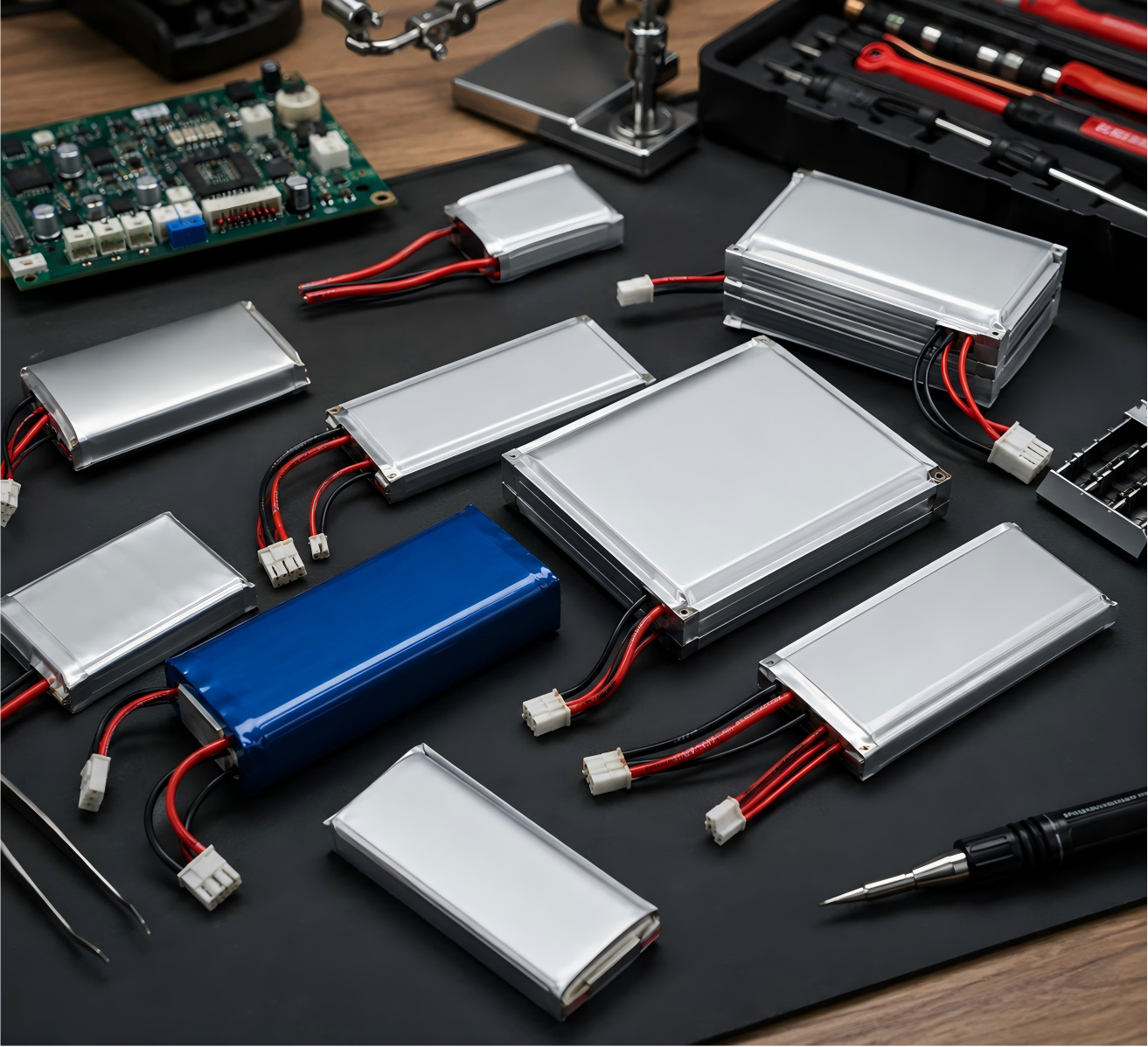
Core Keyword: lithium polymer battery
Long-tail Keywords: choose the right lithium polymer battery, 10 tips for choosing LiPo battery, lithium polymer battery buying guide, LiPo battery for drones, lightweight lithium polymer battery, safe lithium polymer battery
Industry SEO Terms: LiPo battery, flexible pouch lithium battery, lithium polymer cell, battery C rating, PCM protection, portable rechargeable battery
In modern consumer electronics, smart wearables, drone devices, and portable smart equipment, a high-performance lithium polymer battery is the core of stable device operation. More buyers, hobbyists, product designers, and business purchasers are switching from traditional rigid lithium-ion cells to flexible, thin, and lightweight LiPo batteries.
However, confusing technical specs, uneven quality and countless model options make it hard to pick a matched and long-lasting battery. Poorly selected LiPo cells cause short runtime, overheating, battery swelling and even safety risks. This guide focuses on 10 practical tips to choose the right lithium polymer battery, helping global buyers make smart, safe and cost-effective purchasing decisions.
A lithium polymer battery, commonly known as LiPo battery, is a soft pouch rechargeable lithium battery with solid polymer electrolyte. Different from rigid cylindrical or square lithium-ion batteries, it adopts an aluminum-plastic composite film package.
It stands out with ultra-thin design, customizable irregular shapes, light weight and high energy density, perfectly fitting slim wearables, drones, curved devices and compact portable electronics. With the booming lightweight device market, high-quality custom lithium polymer battery has become a mainstream power solution worldwide.
Before buying, clarify the core differences to confirm whether a lithium polymer battery fits your project.
| Feature | Lithium Polymer Battery | Traditional Lithium-Ion Battery |
|---|---|---|
| Outer Structure | Soft flexible pouch | Hard rigid metal shell |
| Shape Flexibility | Custom thin & special sizes | Fixed standard size |
| Weight | Lighter & more portable | Heavier bulk design |
| Cycle Life | 300–800 cycles | 800–2000+ cycles |
| Best Use Case | Drones, wearables, slim devices | Tools, energy storage, heavy devices |
To select the right lithium polymer battery, master these core parameters first:
Thanks to flexible size and lightweight features, lithium polymer battery covers wide industries:
For European and American buyers, safety certification is non-negotiable when sourcing lithium polymer batteries.
Qualified LiPo batteries must hold CE, RoHS, IEC62133, UN38.3, MSDS certifications, meeting global transportation and electrical safety regulations. Built-in flame-retardant material, overcharge protection, short-circuit cut-off and overheat prevention ensure stable and safe daily use.
These 10 core tips are the key focus of this guide, helping you quickly filter high-quality, matched and safe LiPo batteries.
Clarify the exact working voltage and power consumption of your device. Never use mismatched voltage batteries, which will burn out circuits and cause permanent damage.
Accurately measure length, width and thickness, and reserve 2–3mm gap. LiPo batteries support custom size, so avoid extrusion caused by inappropriate dimensions.
Low-power devices choose 5C–15C low discharge cells; drones and RC models need 30C–100C high C-rate lithium polymer battery for stable burst power.
Avoid unprotected bare cells. Integrated PCM prevents overcharge, over-discharge, short circuit and overheating, greatly reducing safety risks.
Consumer-grade: 300–500 cycles for daily use; industrial-grade: 600–800 cycles for commercial and long-standby equipment.
For overseas sales and bulk import, verify CE, RoHS, UN38.3 and IEC62133 to pass customs inspection and local market compliance.
Higher mAh brings longer runtime but extra weight. For drones and wearables, prioritize lightweight design to keep device performance.
LiPo batteries have strict charging limits. Use dedicated constant current & constant voltage chargers to prevent swelling and aging.
Regular factories offer stable quality, consistent batch performance and warranty service, ideal for wholesale and OEM cooperation.
For outdoor, low-temperature or high-temperature scenarios, select wide-temperature lithium polymer battery to avoid capacity attenuation in extreme weather.
Cheap generic LiPo batteries cut costs by reducing material standards, resulting in short service life and hidden safety troubles. Reasonable cost matching helps you reduce long-term replacement costs.
Ordinary users can choose cost-effective mid-range branded batteries; commercial buyers and product designers are recommended to adopt industrial-grade certified lithium polymer battery with stable quality and long cycle life.
Q: What is the main advantage of lithium polymer battery?
A: Flexible custom shape, ultra-light thin design and high energy density, suitable for compact and curved electronic devices.
Q: Are LiPo batteries safe for daily use?
A: Yes, certified products with PCM protection and flame-retardant materials are safe for daily use with standard operation.
Q: Can I get custom size lithium polymer batteries?
A: Absolutely. Professional suppliers support full OEM/ODM customization on size, capacity, interface and shape.
Q: What is the key point to choose drone LiPo batteries?
A: Focus on high C rating, light weight, stable discharge performance and complete safety protection design.
A high-quality lithium polymer battery is essential for drones, smart wearables, outdoor gear and customized electronic equipment. The 10 practical selection tips shared in this guide cover demand confirmation, parameter screening, safety verification, environment adaptation and manufacturer selection, forming a complete and scientific LiPo battery purchasing standard.
By following these tips, you can effectively avoid inferior products, mismatched specs and potential safety hazards, and select lightweight, safe, durable and cost-effective lithium polymer batteries for personal use, hobby projects or bulk wholesale business.
Whether you need standard wholesale LiPo batteries or fully customized lithium polymer battery solutions, we provide one-stop services with complete global certifications, strict quality control and worldwide shipping.
Contact our expert team today to get a free quote, product sample test and professional battery selection guidance.
Get 100% certified LiPo batteries, custom solutions and competitive wholesale pricing for your business.
✅ Full Certifications • ✅ OEM/ODM Available • ✅ Global Shipping • ✅ 24h Technical Support
Follow our 10 LiPo battery tips to pick the most matched cell for your devices.
Every lithium polymer battery passes multi-point testing for stable performance.
Flexible MOQ, fast lead time and tailored battery packs for your projects.
Have any questions? Our battery experts are ready to help.
Email: info@bak-tech.com | Tel: +86 138 2871 3564


 Hotline
 Email
Email
 Address
RM 2201, Longshenghengbo Center, Jianshe East Road and Bulong Road Intersection, Longhua District, Shenzhen, Guangdong, China
B13 Bldg, Lihe Zijing Science and Technology Innovation Center Headquarters, No. 55, Qinghu East Road, Qingxi Town, Dongguan City, Guangdong Province, P.R. China


 Previous