

May 08, 2026 |BAKTH
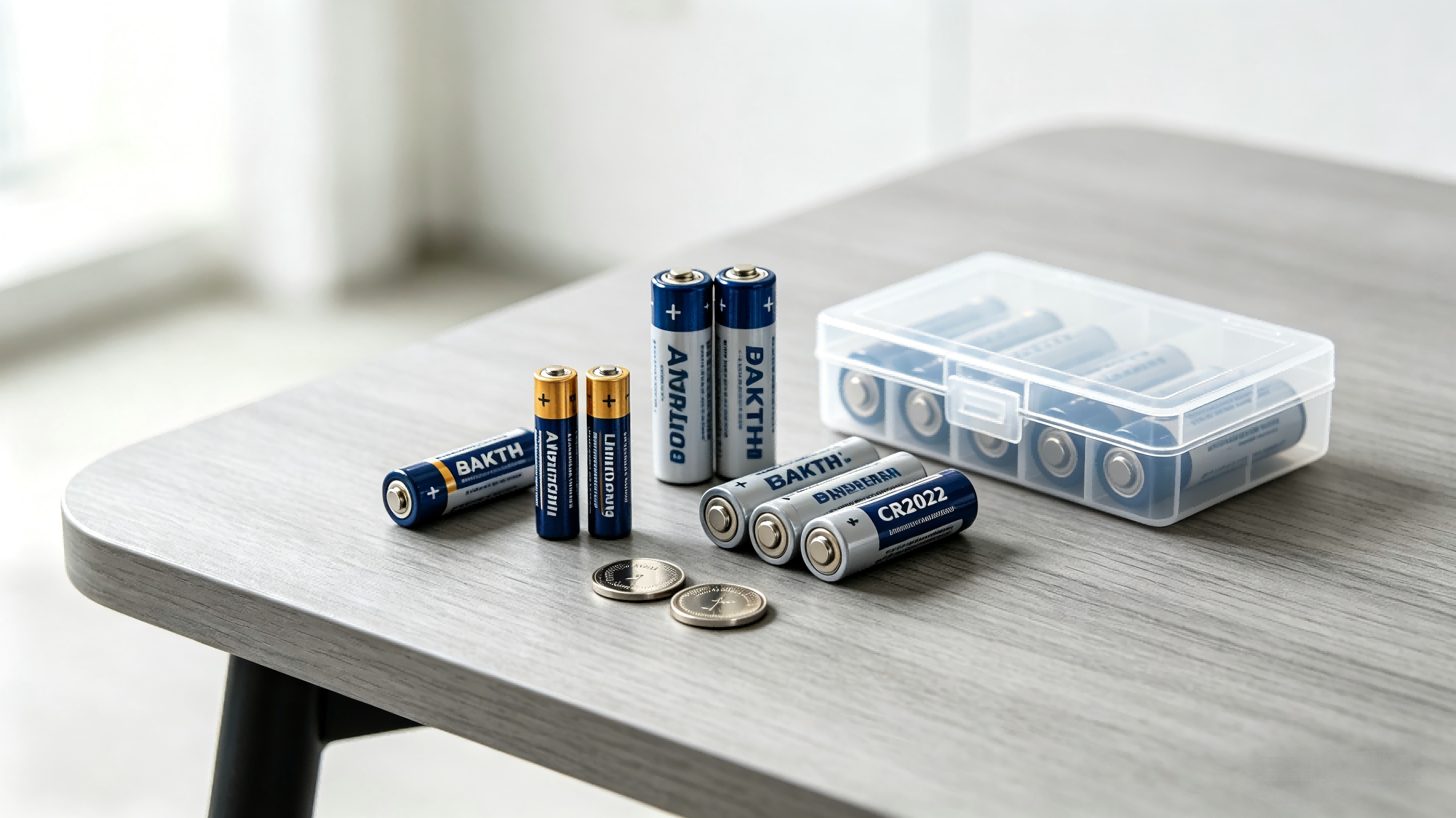
Have you ever opened a drawer full of old batteries and wondered whether they still work? Whether you’re preparing for emergencies, stocking batteries for your business, or simply trying to avoid waste, understanding battery storage life can help you save money and avoid unpleasant surprises.
The short answer: most high-quality alkaline batteries can last 5–10 years in storage, while lithium batteries often remain reliable for 10–15 years when stored correctly. But shelf life isn’t determined by chemistry alone — temperature, humidity, storage habits, and manufacturing quality all play major roles.
And according to recent battery research, modern batteries may actually perform better in real-world conditions than traditional lab testing suggests. In other words, your batteries could stay usable longer than expected when properly stored.
Different battery chemistries age differently, which is why some batteries can sit untouched for years while others lose power relatively quickly.
Standard alkaline batteries typically last between 5 and 10 years in storage. Premium alkaline cells are engineered with improved sealing technology and lower self-discharge rates, making them ideal for flashlights, remote controls, toys, and emergency devices.
Lithium batteries offer some of the best shelf life performance available, often lasting 10–15 years with minimal energy loss. They also perform exceptionally well in both hot and cold environments, making them popular for outdoor equipment, medical devices, and survival kits.
Small button-style batteries such as CR2032 models generally maintain power for 8–10 years. These compact batteries are commonly used in watches, calculators, key fobs, and backup memory systems.
The reason these batteries age differently comes down to chemistry. Alkaline batteries rely on zinc and manganese dioxide reactions, while lithium batteries use lithium metal compounds that remain chemically stable for much longer periods.
Many people assume shelf life and usage life mean the same thing, but they measure completely different things.
Refers to how long a battery can sit unused while still retaining enough energy to function properly.
Measures how long the battery powers a device once it’s actually being used.
For example, a lithium coin cell may remain usable after sitting in storage for 8 years, but once installed inside a high-drain smart tracking device, it may only operate for a year or less. Similarly, an AA alkaline battery can survive in storage for a decade but still drain quickly inside power-hungry electronics like digital cameras.
Battery expiration dates are based on estimated remaining capacity — usually around 80% of original performance. That doesn’t mean the battery instantly fails after that date; it simply means performance may begin to decline gradually.
Storage conditions can dramatically influence how long batteries remain usable.
Heat is the biggest enemy of battery longevity. Elevated temperatures accelerate chemical reactions inside the battery, causing energy loss and internal degradation over time. Batteries stored in hot garages, vehicles, or attics often age much faster than those kept indoors.
Cold temperatures create different problems. While cold storage slows chemical aging, extremely low temperatures can temporarily reduce battery performance and available capacity.
For most household batteries, the ideal storage temperature falls between:
Keeping batteries near stable room temperature provides the best balance between long-term preservation and performance.
Moisture can lead to corrosion, leakage, and terminal damage. High humidity environments may allow condensation to form around battery contacts, especially during temperature changes.
The recommended storage humidity is around:
Excessively damp environments can shorten battery life significantly and increase the risk of leakage.
Other conditions that influence battery aging include:
When combined, these environmental stresses accelerate deterioration far more aggressively than any single factor alone.
Good storage habits can extend battery life well beyond average expectations.
Store batteries in a cool, dry location away from direct heat sources. Keeping batteries in their original packaging helps prevent accidental short circuits and protects the terminals from contamination.
Proven battery storage practices:
For rechargeable lithium-ion batteries, storage strategy becomes even more important. Instead of storing them fully charged or completely empty, aim for:
This reduces internal stress and helps preserve long-term battery health. Rechargeable batteries should also be checked periodically during extended storage.
Before relying on stored batteries for important devices, it’s smart to test them first.
A digital multimeter offers the simplest and most accurate way to check battery condition.
Typical readings for alkaline AA or AAA batteries include:
Voltage alone doesn’t tell the full story, but it provides a quick estimate of remaining capacity.
More advanced testing involves placing the battery under a temporary electrical load while monitoring voltage drop. Batteries with high internal resistance may show acceptable voltage when idle but fail quickly under actual usage.
Never ignore visible battery damage. Replace batteries immediately if you notice:
Damaged batteries may leak harmful chemicals or fail unpredictably.
Recent battery studies have revealed something surprising: batteries often last longer in real-world conditions than laboratory simulations predict.
Researchers studying commercial battery behavior found that varying real-life usage patterns place less stress on batteries than constant testing cycles used in laboratories. This means traditional testing methods may underestimate actual battery longevity.
Modern predictive models now show that battery aging depends on a complex interaction of temperature, discharge behavior, storage conditions, and charging patterns — not just one isolated factor.
For consumers, that’s encouraging news. With proper storage and moderate usage, many modern batteries can continue performing reliably well beyond their advertised shelf life.
BAKTH stands behind its commitment to long-lasting and reliable battery performance. Through advanced manufacturing standards, anti-leakage protection, and strict quality control, BAKTH batteries are engineered to deliver stable energy retention even during extended storage periods.
By combining premium materials with dependable production processes, BAKTH helps ensure your batteries remain ready whenever you need them — whether for emergency preparedness, household electronics, or professional applications.
Battery shelf life depends on more than just the expiration date printed on the package. Storage temperature, humidity, battery chemistry, and handling practices all play a critical role in long-term performance.
Keep batteries in a cool, dry environment, inspect them regularly, and test them before critical use. When stored properly, today’s high-quality batteries can remain reliable for many years — often longer than most people expect.
Whether you’re preparing for emergencies or simply stocking everyday essentials, smart battery storage ensures dependable power is always within reach.
Choose BAKTH batteries for exceptional shelf life and consistent performance when you need it most.
✅ 5-15 Year Shelf Life • ✅ Strict Quality Control • ✅ Global Shipping • ✅ Emergency Reliable
Have questions about battery storage? Our battery experts are here to help.
Email: info@bak-tech.com | Tel: +86 138 2871 3564


 Hotline
 Email
Email
 Address
RM 2201, Longshenghengbo Center, Jianshe East Road and Bulong Road Intersection, Longhua District, Shenzhen, Guangdong, China
B13 Bldg, Lihe Zijing Science and Technology Innovation Center Headquarters, No. 55, Qinghu East Road, Qingxi Town, Dongguan City, Guangdong Province, P.R. China


 Previous