

Apr 29, 2026 |BAKTH
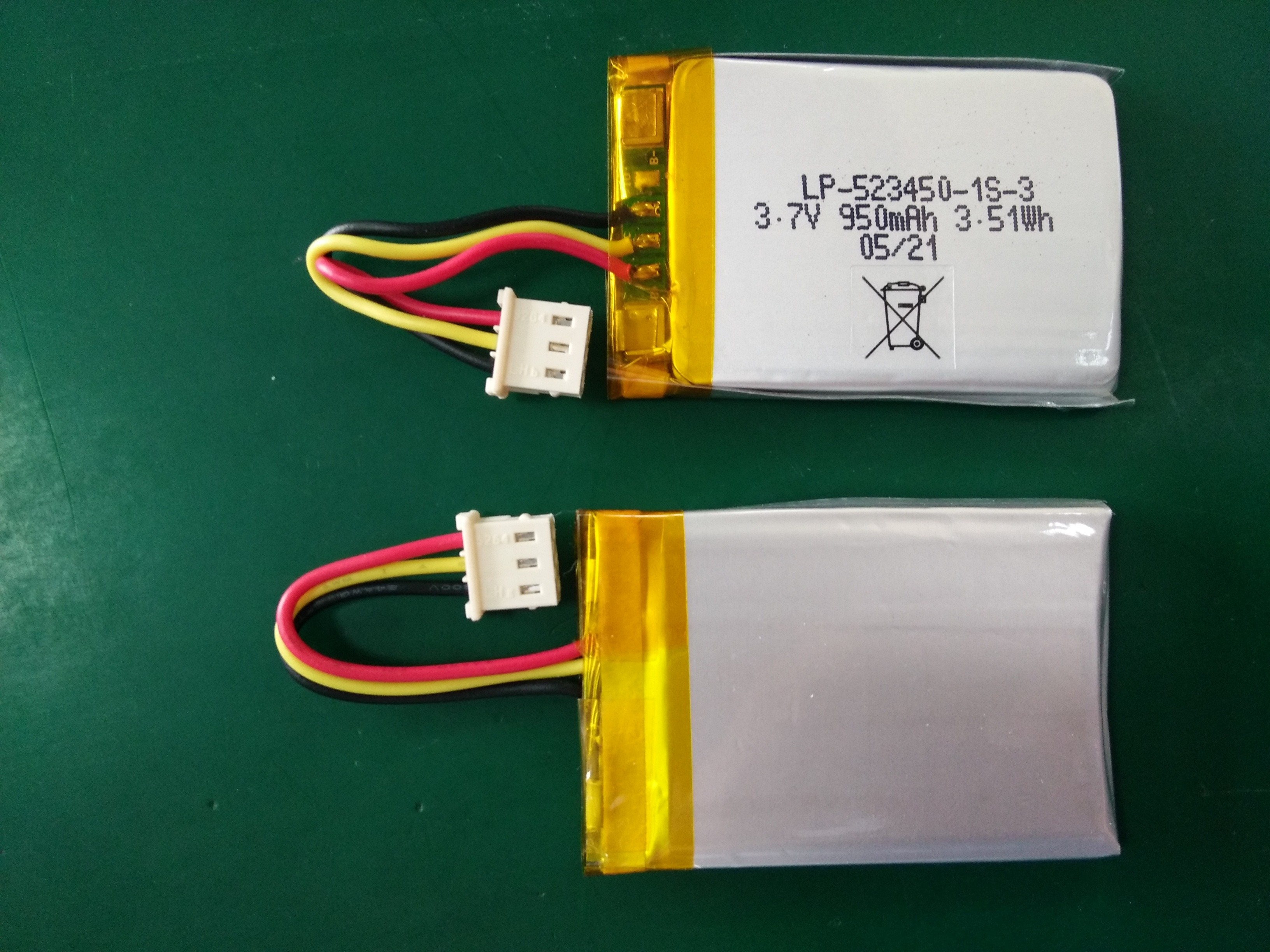
Lithium-polymer batteries – commonly known as LiPo batteries – are one of the most innovative and widely used rechargeable battery technologies today. Unlike traditional lithium-ion batteries that use liquid electrolyte, LiPo batteries adopt a soft, gel or solid polymer electrolyte, allowing ultra-thin, lightweight, and fully customizable shape designs.
With high energy density, flexible structure and stable output performance, LiPo batteries are widely adopted in smartphones, drones, wearable devices, medical equipment, robotics and portable consumer electronics. This in-depth blog will follow a professional and easy-to-read structure for overseas buyers and industry readers, covering LiPo battery definitions, core components, working principles, pros and cons, professional safety performance analysis, application scenarios and standardized usage guidelines.
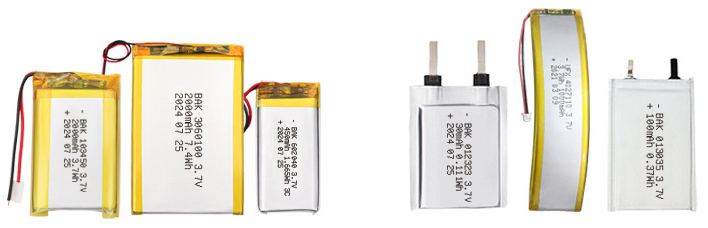
Lithium-polymer battery is a upgraded lithium rechargeable battery solution that replaces the traditional liquid electrolyte with polymer electrolyte. Different from rigid cylindrical and square lithium-ion batteries, LiPo features soft aluminum-plastic composite film packaging, which breaks the limitation of fixed battery shape.
It can be customized into ultra-thin, curved, special-shaped and ultra-small sizes, balancing light weight, high energy density and space utilization. It is the core power source for most lightweight intelligent electronic products on the market.
| Aspect | Description |
|---|---|
| Definition | Rechargeable lithium battery with polymer gel/solid electrolyte, soft packaging and flexible molding characteristics. |
| Core Structure | Polymer electrolyte, lithium positive and negative electrode materials, isolation membrane, soft aluminum-plastic shell. |
| Common Chemistries | LCO, NMC, LMO and LiFePO4 LiPo versions, with differences in energy density, discharge efficiency and safety level. |
| Typical Applications | Consumer electronics, drone equipment, medical portable devices, intelligent wearables, industrial robots. |
| vs. Lithium-Ion | Same lithium-ion working principle; LiPo is thinner, lighter and more flexible, while liquid lithium-ion has stronger physical compression resistance. |
The stable operation and safety performance of LiPo batteries depend on four core matching components:
The coordinated design of each component fundamentally optimizes the lightweight advantage of LiPo and lays the foundation for daily safe use.
LiPo batteries follow the same lithium-ion migration principle as standard lithium-ion batteries.
The high stability of polymer electrolyte ensures smooth ion movement, reduces internal heat generation during charging and discharging, and further improves the basic safety of long-term cyclic use.
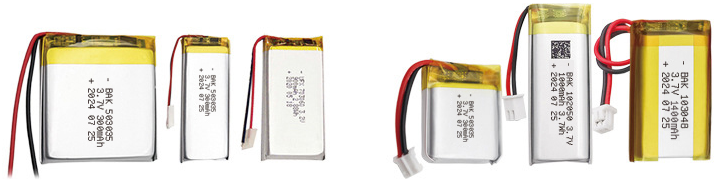
LiPo’s unique structural design brings irreplaceable market competitiveness:
| Advantage | Explanation |
|---|---|
| Ultra Light & High Energy Density | Lighter than lithium-ion batteries of the same capacity, effectively reducing equipment load. |
| Flexible Custom Shape | Support ultra-thin, curved and special-shaped customization to meet personalized product design. |
| Low Self-Discharge Rate | Slow power loss during standby, suitable for long-term standby intelligent equipment. |
| Low Internal Resistance | Stable voltage output, small heat generation during daily discharge. |
| Anti-Leakage Structure | Non-liquid electrolyte, no corrosion and leakage risks. |
Safety is the most concerned issue for global buyers, manufacturers and end users when selecting LiPo batteries. Compared with traditional liquid lithium batteries, LiPo has both inherent safety advantages and controllable safety risks.
In addition to safety details, LiPo also has obvious industry limitations:
Although the unit price of LiPo batteries is higher, its lightweight and thin design can help manufacturers optimize product structure, save shell materials, and reduce overall product transportation costs.
With standard safety protection + standardized charging and storage, the service life of LiPo can reach 2–5 years for daily consumer electronics, with stable daily safety and low failure rate.
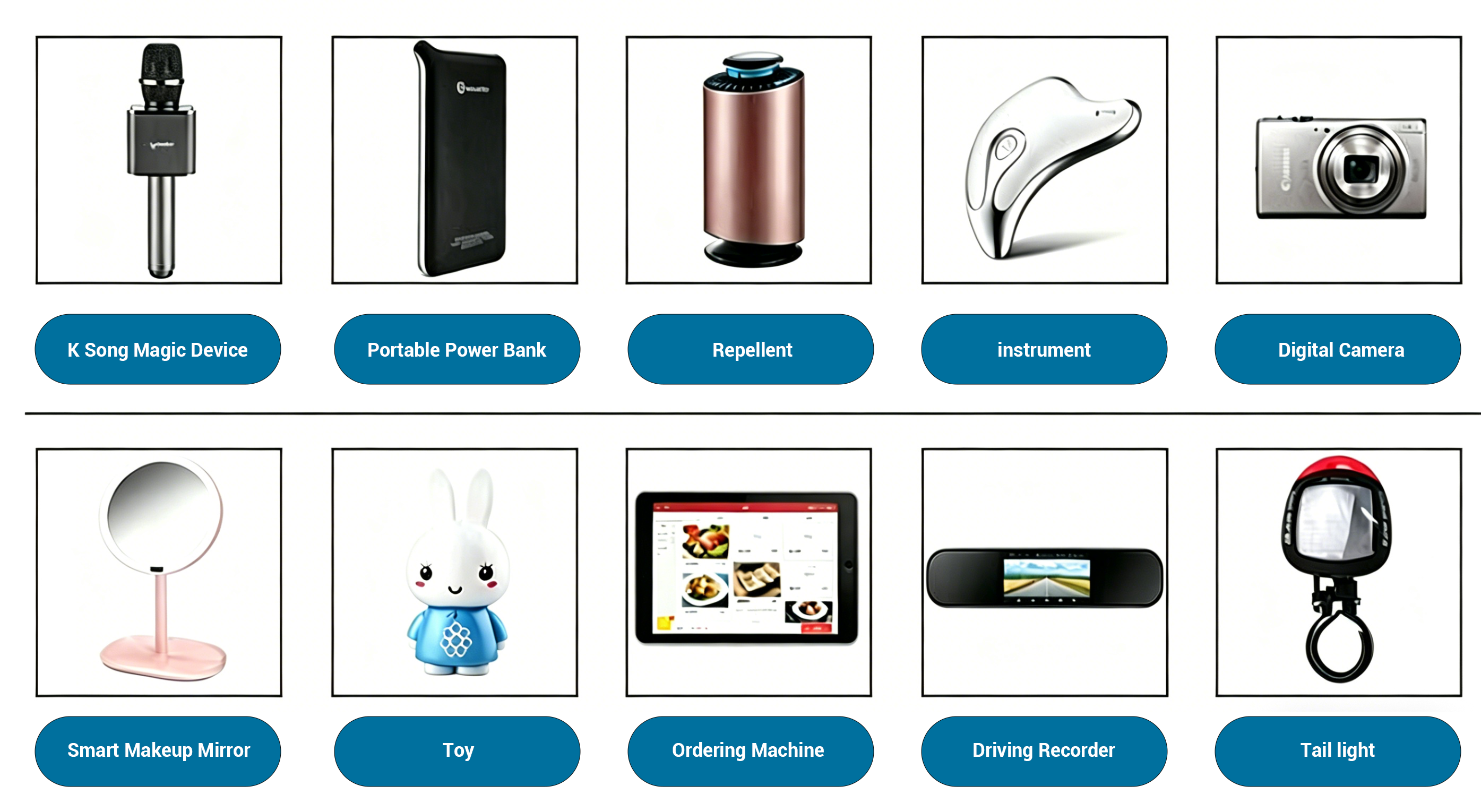
Combined with safety characteristics and performance advantages, LiPo is widely used in low-load, lightweight and high-safety required scenarios:
| Application Category | Typical Uses |
|---|---|
| Consumer Electronics | Smartphones, tablets, smart watches, wireless earbuds, slim power banks |
| UAV & RC Equipment | Lightweight drones, remote control models, high-efficiency portable flight equipment |
| Medical Devices | Hearing aids, portable monitors, wearable medical detection equipment |
| Intelligent Wearables | Fitness trackers, smart bracelets, miniature wireless communication devices |
| Robotic & Smart Hardware | Small household robots, intelligent door locks, handheld portable tools |
To eliminate hidden safety hazards and extend battery life, global wholesalers, OEM manufacturers and end users must follow unified safety specifications:
Lithium polymer (LiPo) batteries occupy an irreplaceable core position in the global lightweight power market by virtue of ultra-thin design, light weight, high energy density and flexible customization.
In terms of safety, qualified LiPo products have excellent anti-leakage and mild thermal runaway advantages, but their soft structural characteristics and chemical properties mean they need standardized use and necessary circuit protection. As long as users avoid physical damage, abnormal charging and high-temperature harsh environments, LiPo batteries can maintain high safety and long-term stable operation.
For electronic product designers, battery wholesalers and equipment manufacturers, reasonably selecting high-quality LiPo batteries and matching complete safety protection solutions is the key to balancing product performance, cost and user safety.
1. Is LiPo battery safer than ordinary lithium-ion battery?
Qualified LiPo has better leakage resistance and milder thermal runaway reaction, with higher daily use safety; but due to soft shell, it is more afraid of physical damage, and needs additional protection circuits.
2. Can a swollen LiPo battery continue to be used?
Absolutely not. Battery bulging indicates internal chemical failure, which is accompanied by huge short circuit and fire risks, and must be replaced and recycled in time.
3. What protection does a LiPo battery need?
All LiPo batteries must be equipped with BMS/PCM protection to monitor overcharge, over-discharge, over-current, short circuit and temperature, which is the core guarantee of LiPo safety.
4. Is it safe to store LiPo batteries for a long time?
Yes. Store in a cool, dry and normal temperature environment, keep 50%–60% power, avoid full power and zero power storage, which can ensure long-term storage safety.


 Hotline
 Email
Email
 Address
RM 2201, Longshenghengbo Center, Jianshe East Road and Bulong Road Intersection, Longhua District, Shenzhen, Guangdong, China
B13 Bldg, Lihe Zijing Science and Technology Innovation Center Headquarters, No. 55, Qinghu East Road, Qingxi Town, Dongguan City, Guangdong Province, P.R. China


 Previous