

May 11, 2026 |BAKTH
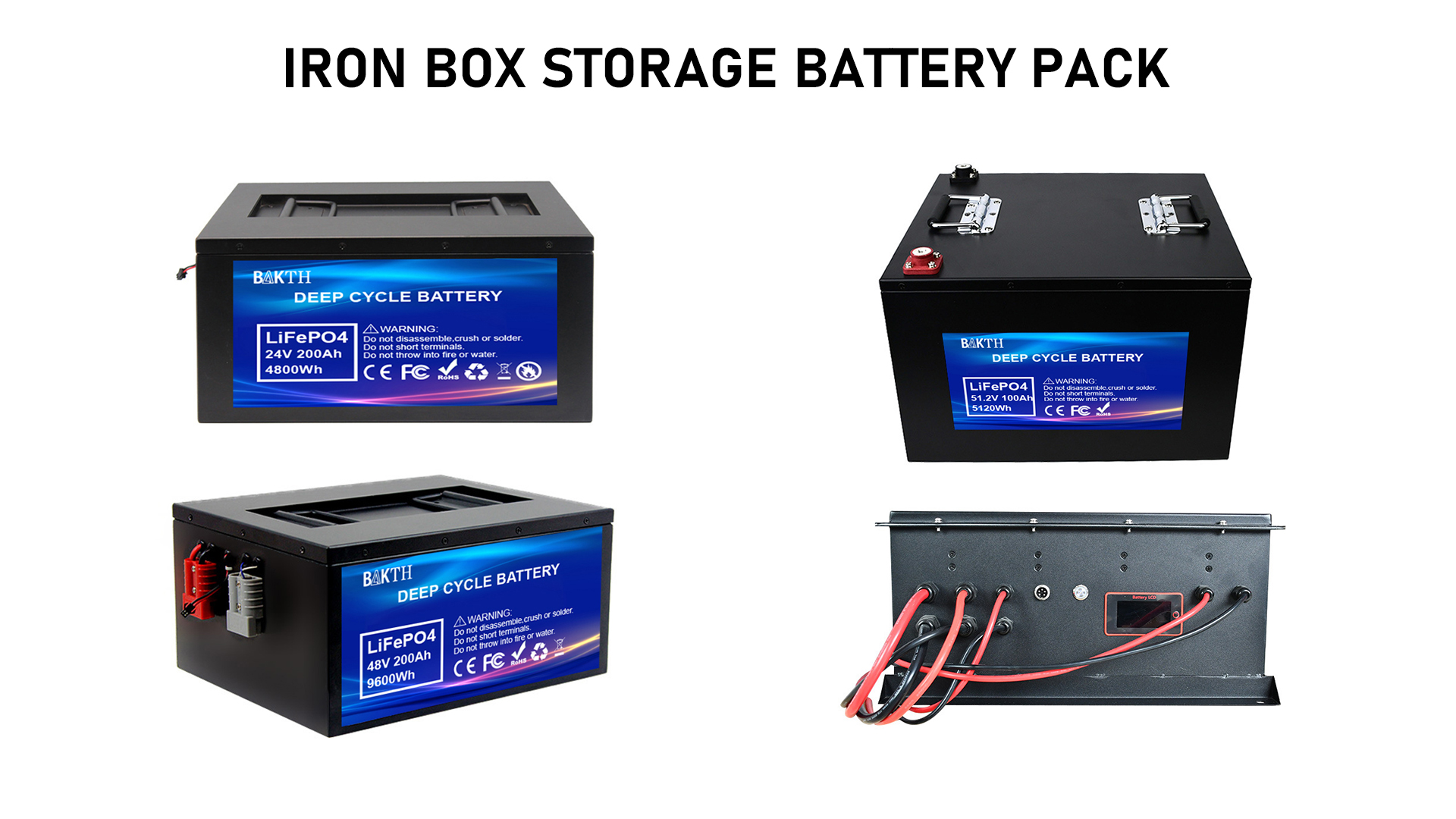
As a professional lithium battery manufacturer, we often get asked: Is it safe to store lithium batteries at home? The short answer: Absolutely safe—when you follow expert guidelines.
Lithium batteries power everything from e-bikes and solar storage systems to smartphones and medical devices, and with proper care, they pose minimal risk in household environments.
In this guide, we’ll break down factory-backed safety rules, common risks, and best practices for storing lithium batteries at home. Whether you’re using Li-ion, LiPo, or LiFePO4 batteries, these tips will keep your home safe and extend battery life.
Yes—100% safe, with proper handling. Modern lithium batteries (Li-ion, LiPo, LiFePO4) are engineered with BMS (Battery Management System) protection, which prevents overcharging, overheating, and short circuits.
At our factory, every battery undergoes strict safety testing (including UL, CE, RoHS, and UN38.3 certifications) to ensure compliance with global household safety standards. The risks you hear about are almost always tied to counterfeit batteries, physical damage, or improper storage—not quality products.
Lithium batteries are stable, but misuse can trigger thermal runaway—a dangerous self-heating chain reaction that leads to fire or explosion. The main culprits:
Follow these factory-approved rules to eliminate nearly all home storage risks:
Ideal range: 68–77°F (20–25°C).
- Avoid hot garages, attics, or direct sunlight (temperatures above 90°F/32°C speed aging and swelling).
- Avoid freezing temperatures (below 32°F/0°C) — temporary capacity loss and internal stress.
- Myth busting: Never store lithium batteries in the fridge—condensation causes short circuits.
Never store fully charged (100%) or dead (0%).
- 40–60% charge reduces self-discharge and cell stress.
- For long-term storage (6+ months), check charge every 3 months and recharge to 50% if low.
- Keep humidity below 60% to prevent terminal corrosion.
- Use non-conductive plastic bins or original packaging to avoid metal contact (coins, keys = short circuits).
- Keep away from flammables (paper, fabric, cleaning chemicals).
- Store in sturdy, padded containers (especially soft LiPo batteries, which puncture easily).
- Avoid stacking heavy items on top; prevent drops or jostling.
- Keep out of reach of children and pets.
- Never mix new and old batteries—voltage imbalance causes overheating.
- Isolate swollen, leaking, or damaged batteries in a fireproof bag immediately.
If storing batteries for months (e-bikes, solar backups, tools):
Stop using/storing any lithium battery if you notice:
As a manufacturer, we emphasize: Safety starts with quality.
Q: Can lithium batteries catch fire at home?
A: Very rare with quality, certified batteries. Fires almost always stem from counterfeit cells or improper storage.
Q: Is LiFePO4 safer than Li-ion for home storage?
A: Yes—LiFePO4 has a higher thermal runaway threshold (230–270°C) and stable structure.
Q: How long can I store lithium batteries at home?
A: Up to 6 months at 40–60% charge; check every 3 months for longer storage.
As a trusted lithium battery manufacturer, we provide premium Li-ion, LiPo & LiFePO4 batteries with full protection, global certifications, and long cycle life.
✅ Full Safety Certifications ✅ BMS Protection ✅ Long Cycle Life ✅ Expert Support
Need expert advice on home battery storage? Talk to our team anytime
Email: info@bak-tech.com | Tel: +86 138 2871 3564


 Hotline
 Email
Email
 Address
RM 2201, Longshenghengbo Center, Jianshe East Road and Bulong Road Intersection, Longhua District, Shenzhen, Guangdong, China
B13 Bldg, Lihe Zijing Science and Technology Innovation Center Headquarters, No. 55, Qinghu East Road, Qingxi Town, Dongguan City, Guangdong Province, P.R. China


 Previous