

May 29, 2026 |BAKTH
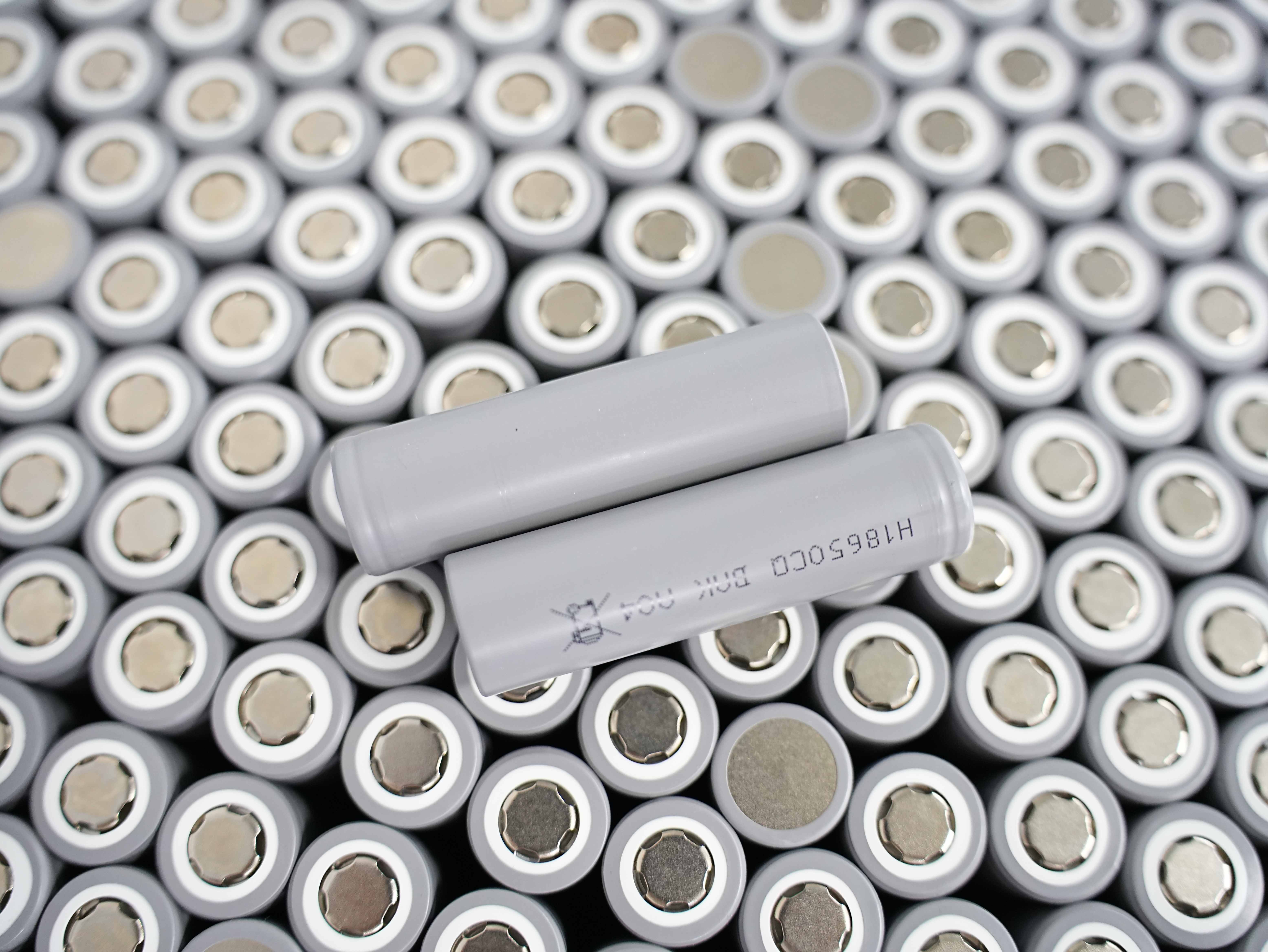
All rechargeable lithium batteries operate on the same basic electrochemical principle. During charging and discharging, lithium ions move back and forth between the anode and cathode to store and release electricity.
While the core working principle stays the same, differences in cathode materials and physical packaging lead to major variations in energy density, safety performance, cycle lifespan, charging speed, temperature tolerance and overall cost.
For most buyers and product developers, lithium batteries fall into two primary categories:
1. By physical packaging: 18650 cells, lithium polymer batteries, cylindrical and prismatic battery packs
2. By chemical composition: General Li-ion (NMC/LCO), LiFePO4 and LTO
Below we cover the four most widely used lithium battery types on the global market, which make up our full product portfolio for international wholesalers, brand partners and project developers.
An 18650 lithium battery is a standard cylindrical lithium-ion cell measuring 18mm by 65mm. It is one of the most mature and mass-produced battery formats worldwide. Most 18650 cells use NMC or LCO chemistry, while customized versions are also available with LiFePO4 materials.
Power tools, flashlights, electric bikes, portable fans, small household appliances, DIY battery builds, medical equipment.
Conventional lithium-ion batteries mostly adopt NMC or LCO chemistry, and remain the top choice for applications requiring high energy density.
Electric vehicles, drones, portable power stations, consumer electronics, industrial equipment.
Lithium polymer batteries (LiPo) are a specialized subset of lithium-ion batteries. They use a gel-based polymer electrolyte instead of liquid electrolyte, which allows manufacturers to shape them into ultra-thin or irregular forms.
Smart wearables, Bluetooth speakers, tablets, slim consumer electronics, compact IoT devices.
LiFePO4 batteries (Lithium Iron Phosphate) are the fastest-growing battery chemistry for stationary energy storage and outdoor power systems. Free from costly cobalt and nickel, it has become the premium drop-in upgrade for traditional lead-acid batteries, and the top pick for RV and solar storage.
RV and camper house batteries, marine power systems, off-grid solar storage, UPS backup power, golf carts, forklifts, large-scale energy storage projects.
Besides our four core product lines, three additional lithium chemistries serve niche high-end markets:
| Battery Type | Core Chemistry | Lifespan | Safety | Energy Density | Cost | Best Application |
|---|---|---|---|---|---|---|
| 18650 Battery | NMC / LCO / LFP | 1000–2000 | Medium | High | Low | Power tools & DIY packs |
| Lithium-ion(NMC) | Nickel Manganese Cobalt | 1500–2000 | Good | Very High | Medium | EV & portable power |
| Li-Polymer(LiPo) | Polymer Li-ion | 800–1500 | Medium | High | Medium-High | Slim wearable electronics |
| LiFePO4 Battery | Lithium Iron Phosphate | 3000–6000 | Excellent | Medium | Low | RV, Solar, Marine Storage |
| LTO Battery | Lithium Titanate | 10000+ | Perfect | Low | Very High | Industrial & Military |
You need cost-effective cylindrical cells for mass production, power tools, everyday consumer electronics or custom DIY battery assemblies.
Your products require an ultra-slim profile, custom shapes and lightweight construction, such as wearable tech and compact Bluetooth devices.
Your priorities are light weight, high energy density and reliable cold-weather performance for electric vehicles or portable power stations.
You build RV batteries, marine power systems, off-grid solar storage or backup UPS units, and prioritize top-tier safety, long service life and overall cost efficiency.
18650 refers to a standard cell size and packaging format, while LiFePO4 refers to battery chemistry. Some 18650 cells are also built with LiFePO4 materials. In most cases, 18650 NMC cells are used for small electronics, while LiFePO4 packs are designed for heavy-duty energy storage.
There is no simple "better" option. LiPo cells excel at flexible sizing and slim designs, while traditional Li-ion batteries deliver stronger discharge performance and lower costs. The right choice depends entirely on your product design and usage demands.
LiFePO4 batteries are the safest mainstream lithium chemistry available, thanks to superior thermal stability and near-zero risk of thermal runaway.
LiFePO4 is the clear top choice for RVs, camping setups, marine equipment and solar storage systems, thanks to its long cycle life and maintenance-free operation.
Yes. BAKTH offers custom solutions for 18650 cells, Li-polymer batteries, NMC lithium-ion packs and LiFePO4 batteries. We can tailor voltage, capacity, BMS settings and physical appearance to meet the unique needs of global clients for OEM and ODM projects.
There is no universal "best" lithium battery — each type is engineered for specific use cases, with its own set of strengths and tradeoffs.
18650 cells and lithium polymer batteries dominate the consumer electronics sector. NMC lithium-ion batteries are the preferred option for electric mobility products. Meanwhile, LiFePO4 batteries have become the industry standard for outdoor camping, RV upgrades and off-grid energy storage.
As a full-range lithium battery manufacturer, BAKTH supplies 18650 cells, general lithium-ion batteries, Li-polymer batteries and long-life LiFePO4 deep-cycle batteries. Whether you need bulk cell procurement, finished battery packs, or fully customized OEM/ODM solutions, we provide one-stop battery support for your business and projects.
Contact the BAKTH technical team today to get free battery selection guidance and wholesale pricing.
We supply 18650, Li-ion, Li-Polymer & LiFePO4 batteries for RV, solar, marine, consumer electronics & industrial projects. Full custom OEM/ODM support.
BAKTH | Professional Lithium Battery Manufacturer
Email: info@bak-tech.com | Tel: +86 138 2871 3564


 Hotline
 Email
Email
 Address
RM 2201, Longshenghengbo Center, Jianshe East Road and Bulong Road Intersection, Longhua District, Shenzhen, Guangdong, China
B13 Bldg, Lihe Zijing Science and Technology Innovation Center Headquarters, No. 55, Qinghu East Road, Qingxi Town, Dongguan City, Guangdong Province, P.R. China


 Previous