

Jun 17, 2026 |BAKTH
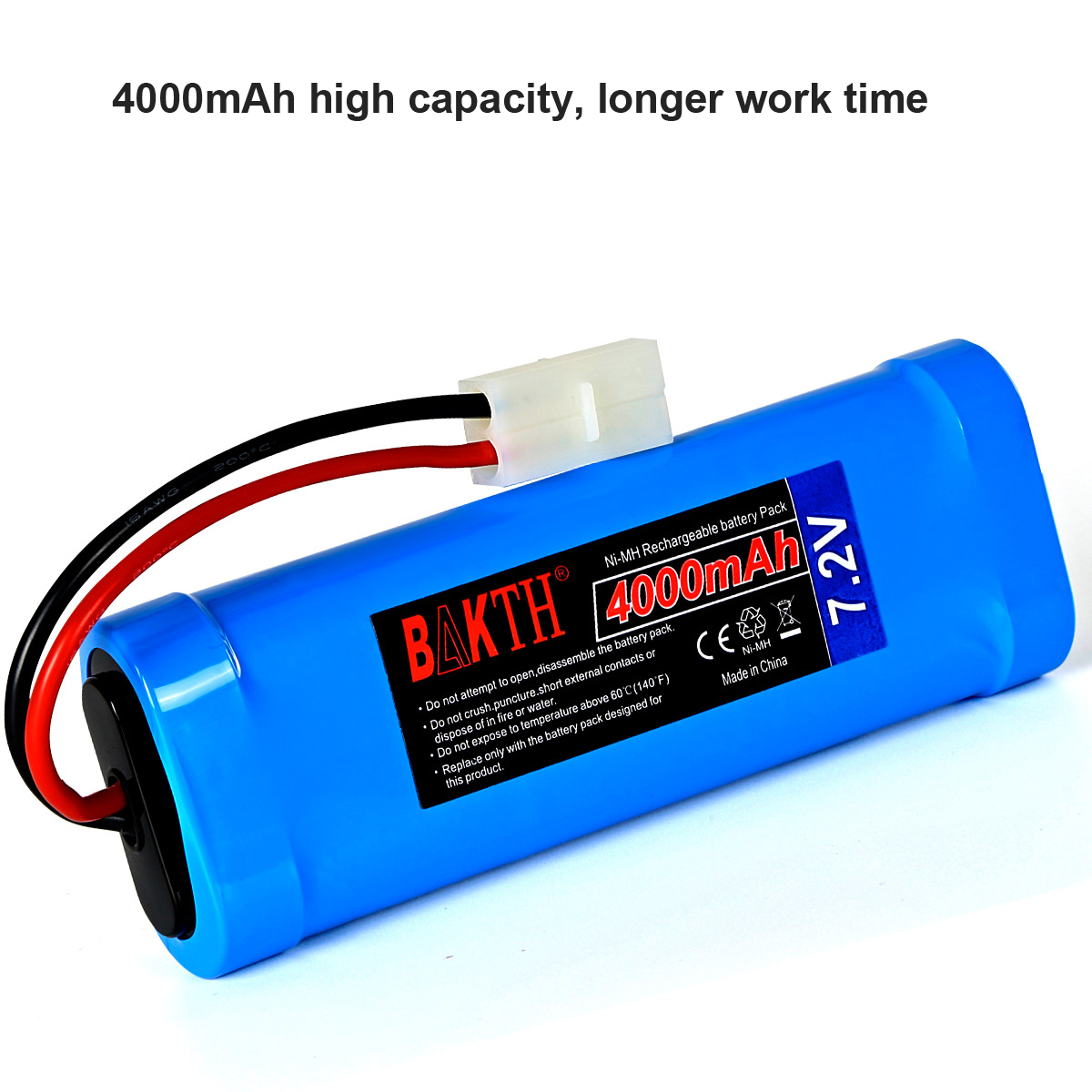
Temperature is one of the most overlooked yet critical variables that shape every lithium-ion battery’s real-world performance. This includes LFP, NCA, NMC, cylindrical 18650 cells, and fully assembled battery packs used for RVs, marine, solar storage, e-mobility, power tools and industrial equipment.
Every commercial lithium cell’s official capacity rating is standardized at 25°C (77°F). Any shift above or below this baseline temperature alters chemical activity inside the cell, directly changing how much usable power you can draw, how fast the battery self-discharges, and how quickly permanent degradation sets in. Many B2B wholesalers and OEM clients run into avoidable customer complaints, shortened service life and safety issues simply by ignoring temperature’s widespread effects.
Below we break down measurable temperature effects, include lab test data, explain the Arrhenius aging rule, and share clear best practices for charging, daily operation and bulk warehouse storage.
Chemical movement inside lithium cells slows drastically in cold conditions and speeds up at higher temperatures. This creates a clear tradeoff: cold weather cuts instantaneous output capacity, while heat temporarily boosts available power at the cost of long-term cell life.
Tested industry benchmarks (baseline = 100% capacity at 25°C):
Temperature also modifies safe charging voltage for lithium cells. A properly designed lithium charger must include temperature compensation: the ideal per-cell charging voltage shifts from 2.74V at -40°C all the way down to 2.3V at 50°C. Cheap uncompensated chargers will overstress cells in extreme temperatures, speeding up failure.
Large battery banks, containerized energy storage systems and multi-series industrial packs carry significant thermal mass. Their internal cell temperature shifts far slower than surrounding ambient air.
For example, an insulated stationary storage battery bank might only swing 10°C internally over a full 24-hour cycle, even if outdoor air temperatures fluctuate wildly between 20°C and 70°C.
To read accurate internal cell temperature instead of misleading ambient air readings, mount insulated thermistor sensors directly to the battery’s positive terminal lugs. This sensor placement delivers readings nearly identical to actual internal cell temperature.
The global battery industry relies on the Arrhenius Law to quantify temperature-driven cell aging. The simple rule of thumb for lithium-ion cells: every permanent 10°C rise in operating temperature doubles the rate of damaging internal side reactions, effectively cutting the battery’s total service life in half.
Real-world example:
A lithium pack with a projected 15-year service life running consistently at 20°C will only last approximately 7.5 years if operated nonstop at 30°C.
Important note: While high temperatures unlock slightly higher short-term usable capacity, continuous exposure to heat causes irreversible damage including thickened SEI layers, electrolyte breakdown, cell swelling and accelerated capacity fade. Short performance gains are never worth drastically reduced long-term durability.
This lab-tested table shows percentage capacity gain/loss relative to the 25°C standard baseline, separated by discharge run time. Shorter high-current draws (power tools, drones) see far more severe capacity loss in cold environments than slow, low-current loads like off-grid solar storage.
| Discharge Duration | 0°C | 5°C | 10°C | 15°C | 20°C | 25°C | 30°C | 35°C | 40°C |
|---|---|---|---|---|---|---|---|---|---|
| Under 30 Minutes | -20% | -15% | -12% | -8% | -3% | 0% | +5% | +8% | +10% |
| 30–60 Minutes | -18% | -13% | -11% | -7% | -2% | 0% | +4% | +6% | +8% |
| Over 60 Minutes | -16% | -12% | -10% | -6% | -1% | 0% | +3% | +4% | +5% |
Self-discharge describes slow, natural capacity loss while a battery sits unused in storage. Temperature is the single biggest factor controlling idle power drain for bulk inventory and seasonal equipment batteries. Below are standard monthly self-discharge percentages for grade-A commercial lithium-ion cells:
Warehouses without climate control create major inventory risk. Pallets of lithium cells stored through hot summer months will suffer measurable capacity fade within just a few months.
For distributors, warehouse managers and OEMs holding large battery stock, follow these proven storage guidelines to preserve cell performance and avoid premature degradation:
Share these simple, actionable rules with your downstream clients to cut failure claims and extend battery service life across all climates:
Temperature impacts every stage of a lithium battery’s lifecycle: rated usable capacity, real-world discharge power, safe charging parameters, idle self-discharge speed, and overall service lifespan. Cold limits immediate output, while heat trades short-term performance for rapid permanent aging. Following the Arrhenius principle, every 10°C sustained heat increase cuts battery life in half.
For global B2B battery wholesalers, OEM manufacturers and energy storage project operators, understanding these temperature-related statistics is essential to designing fit-for-purpose products, creating clear client maintenance guides, and reducing costly after-sales complaints. Pairing temperature-aware BMS hardware, compensated chargers and standardized storage procedures will maximize battery reliability and service life across all climate zones worldwide.
BAKTH packs feature full temperature-compensated BMS, low-temperature charging protection and thermal monitoring to minimize capacity loss and slow aging in hot & cold regions.
BAKTH Technical Team | Global Lithium Battery Manufacturer
Custom LFP / NMC / 18650 Battery Packs for RV, Marine, Solar & E-Mobility
Email: info@bak-tech.com | Tel: +86 138 2871 3564


 Hotline
 Email
Email
 Address
RM 2201, Longshenghengbo Center, Jianshe East Road and Bulong Road Intersection, Longhua District, Shenzhen, Guangdong, China
B13 Bldg, Lihe Zijing Science and Technology Innovation Center Headquarters, No. 55, Qinghu East Road, Qingxi Town, Dongguan City, Guangdong Province, P.R. China


 Previous