

Jun 26, 2026 |BAKTH
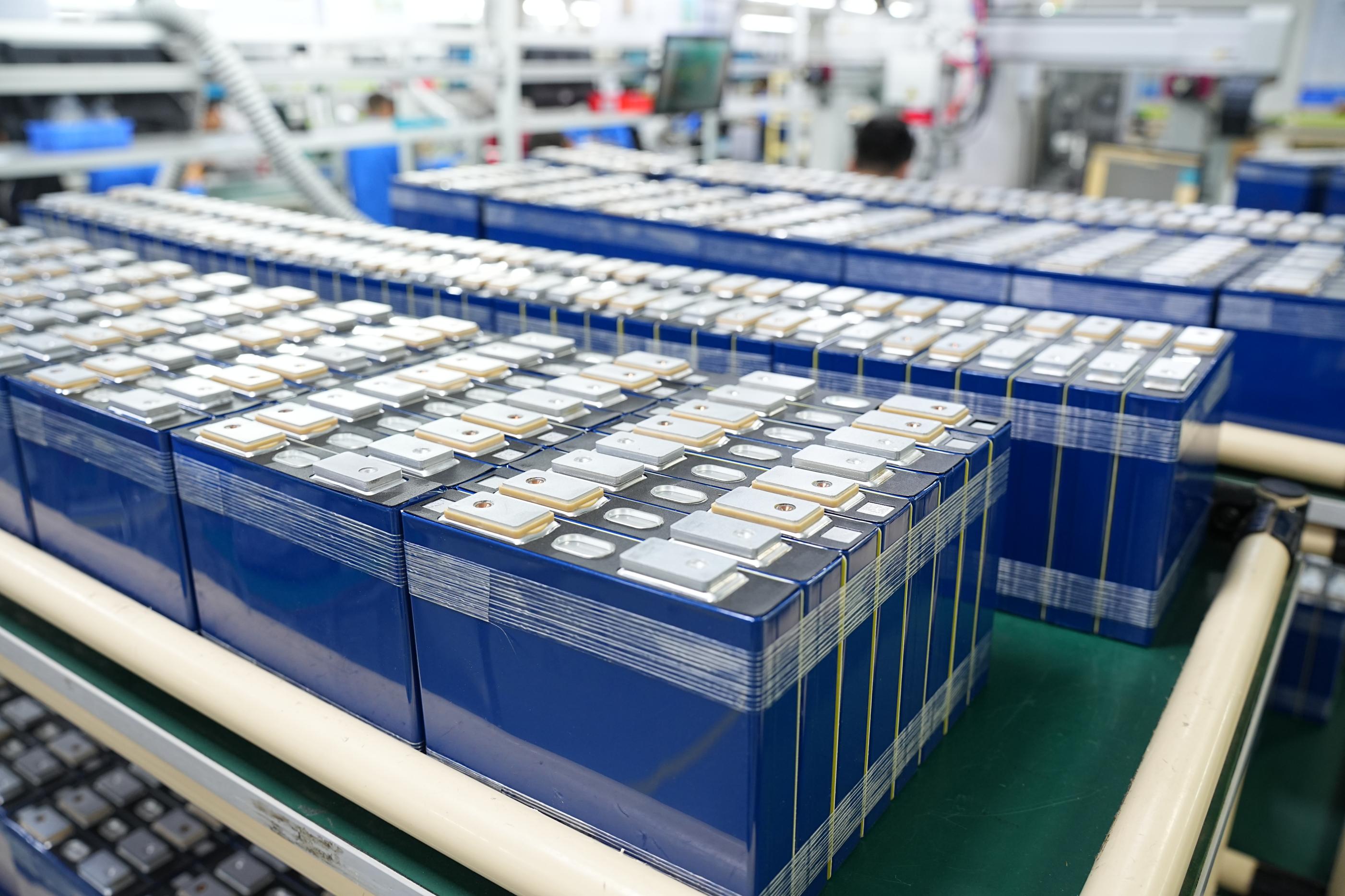
Every battery powering smartphones, laptops, electric vehicles, solar storage, and portable power banks comes with a rated limit on total charge cycles. After hundreds or thousands of repeated charging and discharging sessions, its maximum storage capacity permanently drops until it can no longer deliver usable power.
Most users assume this wear comes from “overusing” their devices, but the real cause lies in unavoidable chemical breakdown inside every cell. This guide breaks down the science behind limited charge cycles, compares aging performance across mainstream lithium chemistries, and shares actionable maintenance rules to slow degradation for consumer, RV, marine, and industrial battery users across North America, Europe, and Australia.
Batteries store and release energy through reversible ion transfer between electrodes during charge and discharge. However, side chemical reactions run parallel to this core energy process every single cycle, creating permanent, irreversible damage to internal components.
Key permanent changes from repeated cycling:
This cumulative chemical degradation cannot be fully reversed. Once usable capacity falls below 80% of the original factory rating, the battery reaches the official end of its functional life — the standard threshold used by all battery manufacturers to define total cycle life.
Many consumers misunderstand how manufacturers measure charge cycles, leading to confusion over why their battery wears faster than expected.
A complete charge cycle is defined as one full 0% → 100% charge paired with a full 100% → 0% discharge. Partial top-ups do not count as full cycles:
A battery’s rated cycle life states how many full 100% depth-of-discharge (DoD) cycles it can complete before hitting the 80% capacity cutoff. Shallow cycling (only draining 20–40% of capacity) drastically extends total usable lifespan, a critical detail for EV, solar, and mobile device owners.
Multiple environmental and usage variables accelerate chemical aging and cut down total available charge cycles:
Heat is the single biggest catalyst for battery degradation. Temperatures above 30°C speed up electrolyte decomposition and SEI layer overgrowth, doubling or tripling capacity fade rates. Freezing cold temperatures restrict lithium ion movement and create mechanical stress on electrode layers, also shortening cycle longevity.
Regularly draining a battery all the way to 0% creates severe voltage stress on electrode materials, triggering rapid structural breakdown and permanent ion loss. Shallow discharge ranges preserve far more cycle life long-term.
Ultra-fast charging (4C, 8C, 10C) pushes massive electric current through the cell in a short window. This creates excess internal heat, lithium metal plating on the anode, and constant SEI layer cracking — all of which reduce total cycle counts. Slow, low-current charging minimizes internal stress.
Cell material formulas set the baseline maximum cycle life before any usage factors apply. Standard NMC lithium-ion cells have much shorter rated cycles compared to stable LiFePO4 (LFP) chemistries designed for long-duration cycling.
Batteries age even when never used, a process called calendar aging. Internal side reactions continue slowly inside sealed cells during storage, especially if held at a full 100% state of charge (SoC) in warm storage spaces.
Leaving a battery sitting at 95–100% SoC for weeks or months creates sustained high internal voltage, which continuously breaks down electrolyte and thickens the SEI layer, wasting hundreds of potential usable cycles.
The most prominent aging mechanism unique to lithium-ion cells is the continuous growth and breakdown of the Solid Electrolyte Interphase (SEI) layer on graphite anodes.
During a brand-new battery’s first factory charge, electrolyte reacts with the graphite anode surface to form a thin, nanoscale protective film. A healthy, stable SEI layer acts as a barrier: it lets lithium ions pass through but blocks electrons to stop endless electrolyte breakdown.
With every charge-discharge cycle, graphite expands and contracts, cracking the existing SEI film. Fresh graphite surface is exposed to electrolyte, triggering new side reactions that build extra thick SEI deposits:
This repeating crack-and-rebuild cycle is the primary reason standard lithium-ion cells only deliver 500–1,500 full charge cycles before hitting 80% capacity retention.
The chemical makeup of cathode material creates a massive gap in total available charge cycles and resistance to degradation:
| Battery Chemistry | Typical Full Charge Cycles (80% Capacity Cutoff) | Key Aging Traits | Best Use Cases |
|---|---|---|---|
| NMC/NCA Lithium-Ion | 500 – 1,500 cycles | Fast SEI overgrowth, sensitive to heat & full-charge storage, high energy density | Smartphones, laptops, lightweight consumer EVs, drones |
| LiFePO4 (LFP) | 3,000 – 5,000+ cycles | Stable crystal structure, minimal SEI expansion, heat-resistant, slow calendar aging | Solar storage, RV batteries, marine power, commercial fleet EVs, backup UPS |
LFP cathodes do not undergo severe structural distortion during ion intercalation, eliminating the constant SEI cracking seen in standard lithium-ion cells. This inherent stability is why LFP batteries deliver 3–5x more usable charge cycles under identical operating conditions.
While chemical degradation is unavoidable, following these industry-verified rules can extend total charge cycles by 20–50% for all lithium battery types:
Limit regular charging to a maximum of 80% and avoid draining below 40% whenever possible. Staying within this mid-charge voltage window eliminates the extreme stress points that accelerate SEI growth and electrode damage. Only fully charge to 100% before long trips requiring maximum runtime.
Never let lithium cells drop to 0% regularly. Recharge devices once capacity hits 20–30% to prevent permanent anode material fatigue.
Use manufacturer-matched low-current chargers for daily maintenance. Reserve fast charging for emergency situations only to reduce lithium plating and heat buildup inside cells.
Avoid leaving electronics, EVs, or battery packs in parked cars, direct sunlight, or uninsulated garages during summer heat. Store batteries indoors at room temperature (15–22°C) to slow calendar aging.
If storing batteries for months:
For stationary storage, marine, RV, and commercial vehicle power systems where long service life is critical, select LiFePO4 cells to gain thousands of extra charge cycles compared to standard lithium-ion.
All batteries have limited charge cycles due to unavoidable irreversible chemical degradation during charging, discharging, and idle storage. For lithium-ion cells, continuous cracking and regrowth of the SEI protective layer is the primary driver of capacity loss, while battery chemistry sets the baseline lifespan limit — LiFePO4 delivers far more cycles than standard NMC lithium-ion.
Temperature extremes, deep full discharges, fast charging, and long-term full-charge storage all speed up aging and reduce total available charge cycles. Following the 40–80 charging rule, avoiding extreme heat, and selecting LFP cells for long-duration use cases will drastically extend your battery’s functional service life and delay the point where capacity falls below usable levels.


 Hotline
 Email
Email
 Address
RM 2201, Longshenghengbo Center, Jianshe East Road and Bulong Road Intersection, Longhua District, Shenzhen, Guangdong, China
B13 Bldg, Lihe Zijing Science and Technology Innovation Center Headquarters, No. 55, Qinghu East Road, Qingxi Town, Dongguan City, Guangdong Province, P.R. China


 Previous