Key Takeaways
- Both sustained high heat and subfreezing cold permanently damage lithium-ion batteries, shortening cycle life, cutting usable capacity and raising safety hazards like swelling and thermal runaway.
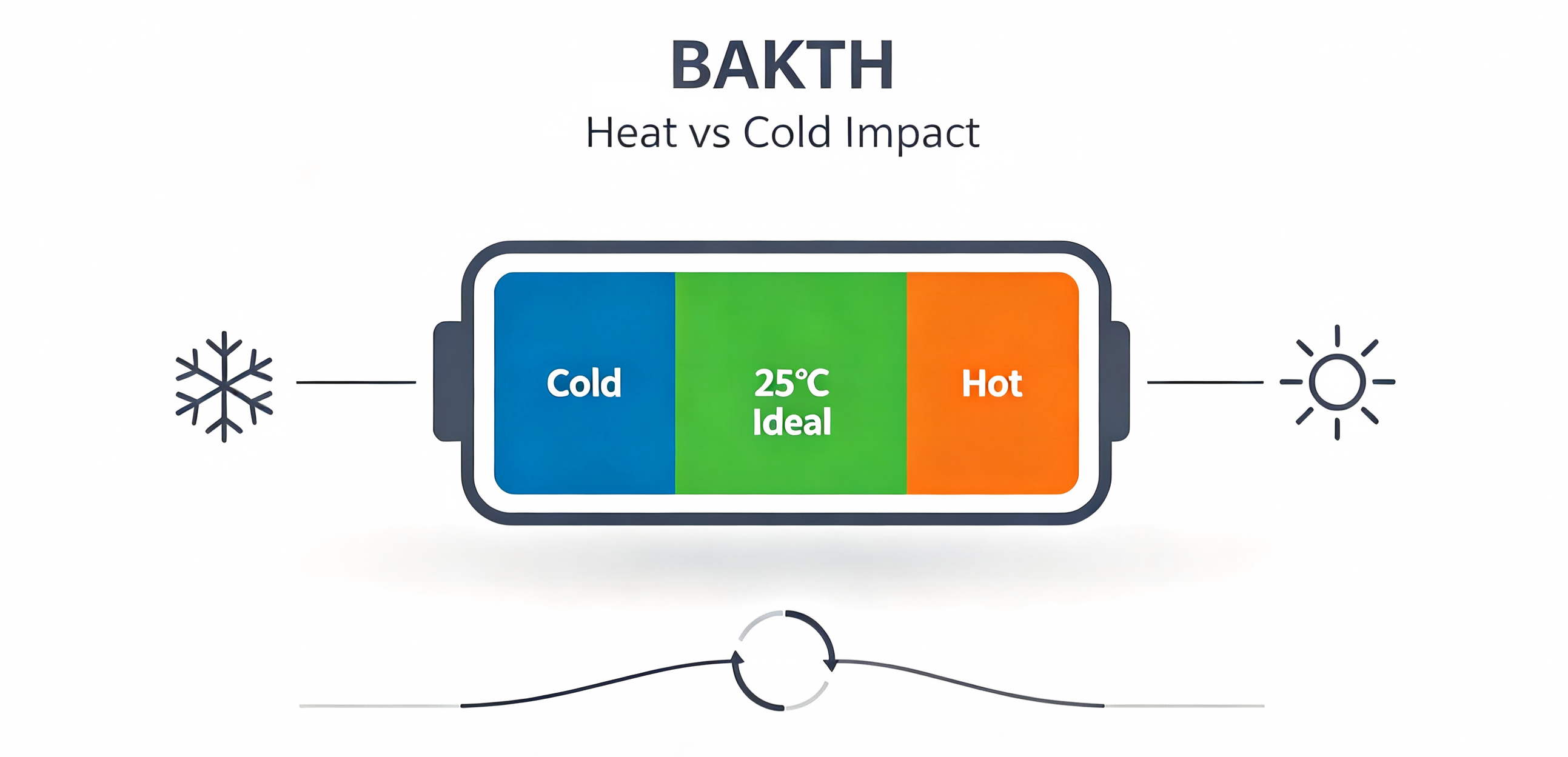
- 20°C–25°C (68°F–77°F) is the gold-standard temperature window for maximum lithium battery performance and full rated cycle longevity.
- Charging any lithium cell below 0°C creates irreversible lithium dendrite buildup — the top hidden cause of internal short circuits and premature pack failure.
- LiFePO4 solar batteries deliver far wider safe temperature tolerance and superior thermal stability compared to NCM ternary lithium and lead-acid AGM.
- Simple thermal management (ventilation, insulation, heated BMS modules, proper storage SOC) can extend your solar battery’s service life by 40%+ in harsh climates.
Introduction
Lithium-ion batteries power nearly every modern portable and stationary energy system: smartphones, laptops, electric vehicles, off-grid solar storage, RV power banks and marine backup power. Yet most residential solar owners and RV enthusiasts overlook temperature as the single biggest factor controlling battery lifespan, real-world capacity and fire safety.
Prolonged exposure to extreme heat or freezing cold triggers irreversible electrochemical breakdown inside lithium cells. The damage ranges from minor runtime loss and slow capacity fading to dangerous battery bulging, hidden internal shorts, and thermal runaway. This complete guide breaks down official safe temperature operating zones for standard lithium-ion and LiFePO4 batteries, outlines permanent damage from hot/cold environments, compares temperature resilience across common battery chemistries, and shares field-proven thermal control strategies tailored for solar and RV energy storage users.
1. Official Safe Temperature Zones for Lithium-Ion & LiFePO4 Batteries
Every lithium cell has strict segmented temperature limits for operation, charging and long-term storage. Operating outside these windows accelerates permanent degradation.
1.1 Ideal Operating Temperature (Peak Performance & Maximum Cycle Life)
Optimal range: 20°C ~ 25°C (68°F ~ 77°F)
Within this narrow window:
- Lithium ion diffusion flows at maximum efficiency with minimal internal resistance
- The protective SEI anode film grows at a slow, stable rate without consuming active lithium
- Batteries deliver 100% of their rated discharge capacity
- Premium LiFePO4 cells can hit their full 6,000+ deep cycle lifespan when consistently maintained at this temperature
1.2 Safe Charging Temperature Thresholds
Standard lithium-ion / LiFePO4 baseline charging range: 0°C ~ 45°C (32°F ~ 113°F)
- Below 0°C charging risk: Lithium metal plates onto graphite anodes, forming sharp dendrites that can pierce the separator and create latent internal short circuits
- Above 45°C charging risk: Rapid electrolyte solvent decomposition generates flammable internal gas, leading to pouch swelling and elevated thermal runaway risk
Cold-climate upgrade: BAKTH LiFePO4 solar packs integrate intelligent PTC preheating BMS, enabling safe charging down to -20°C once internal cell temperature rises above 5°C via auto-heating.
1.3 Safe Discharge Temperature Limits
- Conventional NCM lithium-ion: -10°C ~ 50°C
- BAKTH deep-cycle solar LiFePO4: -20°C ~ 60°C (-4°F ~ 140°F)
Cold discharge below -10°C: Temporary capacity drop of 20–35% at -20°C due to thickened electrolyte slowing ion movement (capacity recovers once warmed; no permanent damage from discharge alone)
Continuous discharge above 50°C: Accelerates electrolyte aging, thickens SEI layers, and slashes total cycle life by nearly half over multi-year use
1.4 Recommended Long-Term Storage Temperatures
- Short-term idle storage (under 3 months): 0°C ~ 30°C, maintain 40–60% state of charge
- Long-term seasonal storage (6+ months): Stable 10°C ~ 25°C, mid-range SOC to reduce voltage stress
Forbidden storage conditions:
- Constant temperatures above 35°C: Speeds self-discharge, continuous gas buildup and irreversible cell bulging
- Long-term storage below -20°C: Extreme electrolyte viscosity creates structural stress on internal electrodes and separators
2. Permanent Damage Caused by Sustained High Temperatures (>40°C)
Heat is the fastest catalyst for lithium battery degradation, creating a self-reinforcing cycle of internal damage:
- Accelerated parasitic chemical side reactions thicken the SEI film, permanently locking away usable lithium and causing steady capacity decay
- Organic electrolyte solvents break down to release hydrogen, methane and other flammable gases, inflating the battery casing
- Internal resistance rises over repeated hot cycles; charge/discharge operation generates extra waste heat that worsens thermal stress
- Thermal runaway risk multiplies dramatically if the cell suffers punctures, overcharging or short-circuit faults after heat degradation
Real-world field example: A lithium battery left inside a parked vehicle during summer can reach internal temperatures exceeding 60°C. Continuous one-month hot storage in these conditions creates a permanent 15% loss of usable discharge capacity.
3. Lasting Harm From Subzero Low Temperatures (<0°C)
Cold environments create two distinct sets of risks: temporary capacity loss during discharge, and irreversible cell damage if charging occurs below freezing.
- Cold thickens liquid electrolyte, blocking lithium ion migration and raising internal resistance, cutting real-time output capacity
- Charging cells below 0°C forces lithium metal to precipitate onto anode surfaces, forming rigid dendrite growth
- Over dozens of cold charge cycles, dendrites extend through the separator film, creating hidden micro short circuits that raise fire risk later
- Repeated winter cold charging can reduce the battery’s total rated cycle life by over 50%
Critical distinction: Cold discharge alone does not create permanent cell damage — only charging below freezing triggers irreversible structural harm.
4. Temperature Tolerance Comparison: LiFePO4 vs NCM vs Lead-Acid vs NiMH
This side-by-side table compares thermal resilience across the four most common battery chemistries for off-grid, RV and residential power systems:
| Battery Chemistry | Ideal Operating Temp | Safe Charging Range | Max Discharge Window | High Heat Resistance | Low Cold Tolerance |
|---|
| BAKTH LiFePO4 Solar Battery | 20–25°C | 0–45°C (-20°C with BMS heating) | -20°C ~ 60°C | Excellent (high thermal runaway threshold) | Good (with integrated preheat) |
| NCM Ternary Lithium | 20–25°C | 0–40°C | -10°C ~ 50°C | Poor (prone to thermal runaway) | Medium |
| AGM Lead-Acid | 20–25°C | 5–40°C | -15°C ~ 45°C | Medium | Poor (severe cold capacity fade) |
| NiMH / NiCd | 18–24°C | 5–35°C | 0–40°C | Poor | Medium |
Key solar storage advantage of LiFePO4: Its stable olivine cathode structure delivers a far higher thermal runaway trigger temperature, eliminating the high fire risk that plagues NCM lithium packs during overheating events.
5. Built-In Thermal Protection Design of BAKTH Solar LiFePO4 Batteries
BAKTH’s residential and commercial solar lithium packs are engineered with multi-layer temperature safeguards to counter extreme seasonal weather:
- Multi-point cell temperature sensors wired to the smart BMS; the system automatically cuts all charging current once internal cell temperature hits 45°C
- Integrated PTC self-heating modules: When ambient temperature drops below 0°C, the BMS activates gentle preheating to raise cell temperature above 5°C before enabling charge input
- High-temperature stabilized electrolyte formula that slows gas generation even during continuous 50°C summer discharge
- Reserved cabinet ventilation gaps for rack-mounted battery banks to prevent trapped heat between stacked packs
6 Six Practical Thermal Control Tips for Solar & RV Battery Owners
These easy installation and maintenance rules keep batteries within safe temperature ranges year-round and extend total service life:
- Prioritize indoor, ventilated installation spaces; avoid direct outdoor sunlight, uninsulated metal sheds or sealed vehicle battery boxes with no airflow
- Maintain minimum 30cm clearance space on all sides of racked battery packs to enable natural air circulation
- Summer heat mitigation: Install low-noise exhaust cooling fans or thermal insulation cotton inside battery storage rooms to block ambient heat buildup
- Winter cold protection: Wrap battery enclosures in thermal insulation foam; northern climate users should select LiFePO4 packs with factory-built BMS heating systems
- Charging best practice: Never charge batteries left outdoors overnight in subzero temperatures; bring them indoors to warm before connecting chargers
- Long-term seasonal storage: Move batteries indoors to a temperature-controlled space, hold a 40–60% charge level, and check ambient temperature and cell voltage every two months
Frequently Asked Questions
Q1: Can I charge my lithium solar battery outdoors in freezing winter weather?
A: Standard lithium-ion and LiFePO4 batteries must never be charged below 0°C. Cold charging creates lithium dendrite growth and hidden internal short circuits. Use packs with integrated BMS heating, or move batteries indoors to warm up fully before charging.
Q2: How much does sustained high heat shorten lithium battery lifespan?
A: Every permanent 10°C temperature rise above the ideal 25°C baseline roughly doubles the battery’s natural aging rate. Continuous operation at 40°C will reduce total cycle life by over 40% compared to room-temperature use.
Q3: Is minor battery swelling normal after prolonged high-temperature use?
A: No. Any visible bulging signals irreversible internal gas buildup from electrolyte decomposition. Immediately discontinue use and recycle the battery via certified hazardous waste collection centers.
Q4: What year-round temperature range works best for RV and off-grid solar storage batteries?
A: Maintain a consistent 15°C–30°C inside your battery compartment. Install thermal insulation for winter and small cooling exhaust fans for summer to avoid extreme temperature swings.
Q5: Does cold weather permanently damage lithium batteries if I only discharge them, not charge them?
A: Discharging at low temperatures only causes temporary capacity reduction that recovers as the cell warms up. Permanent damage only occurs when charging takes place under freezing conditions.
Final Summary
Extreme hot and cold temperatures are silent, persistent threats to lithium-ion and LiFePO4 batteries, triggering permanent capacity loss, shortened cycle life, cell swelling and dangerous thermal runaway risks. Every lithium cell has strict charging, discharge and storage temperature boundaries that must be followed to preserve long-term performance and safety.
LiFePO4 chemistry stands out for solar and RV energy storage thanks to its wider safe temperature window and superior thermal stability compared to NCM lithium and lead-acid alternatives. Smart design features like multi-point temperature sensing, auto-heating BMS and heat-resistant electrolyte further minimize temperature-related degradation in harsh climates.
By following simple thermal management rules — indoor ventilated installation, seasonal insulation/cooling, avoiding cold charging, and proper mid-state storage SOC — solar and RV owners can avoid temperature-induced battery damage and maximize their storage system’s service life for decades.




 Hotline
 Email
Email
 Address


 Previous