

Jul 27, 2026 |BAKTH
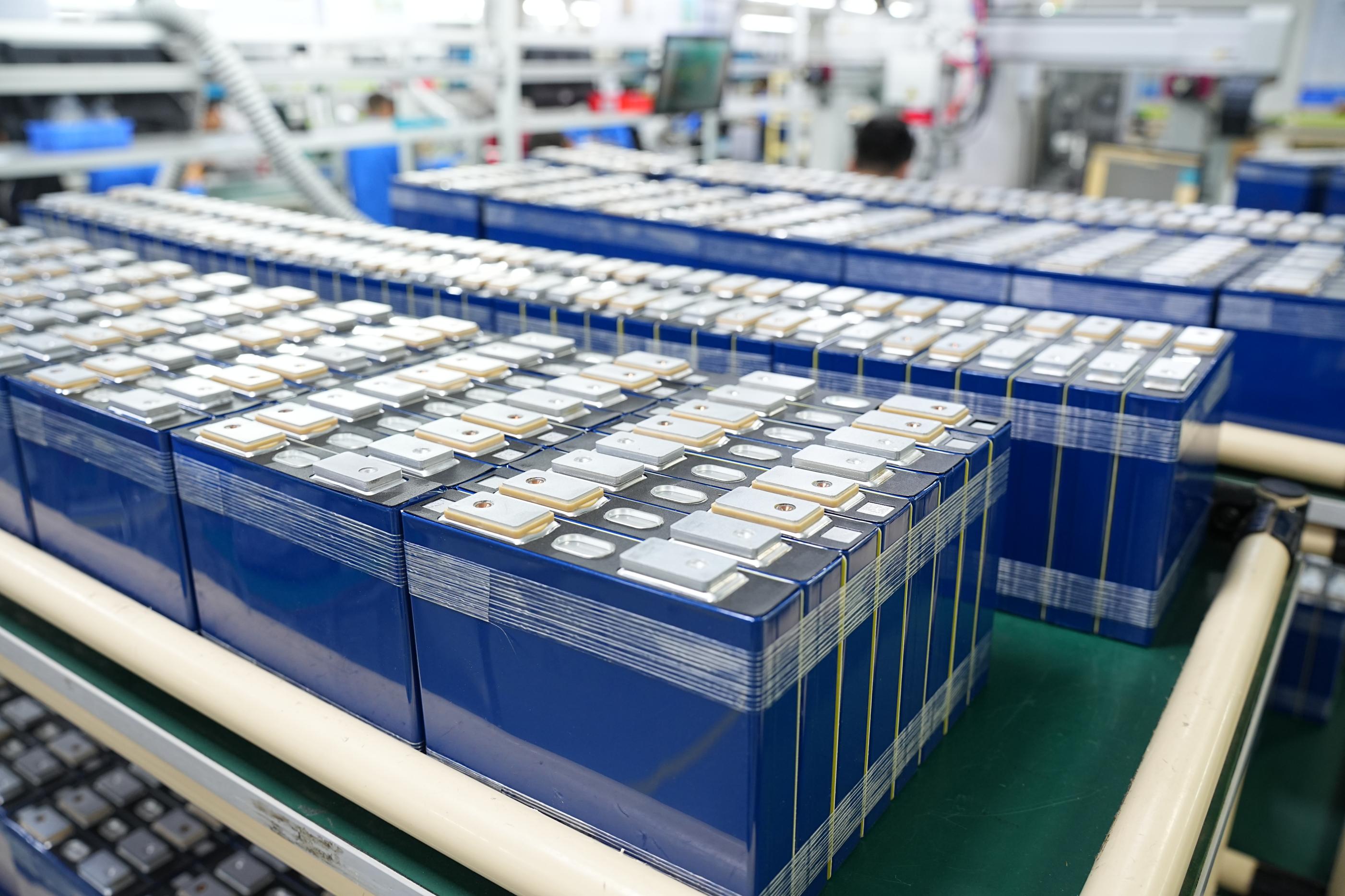
Lithium-ion batteries power nearly all modern portable electronics, from laptops and smartphones to industrial portable devices. Even with continuous technological upgrades, all lithium batteries gradually degrade and lose capacity over time.
This article systematically explains the core causes of battery aging and shares practical rules to effectively slow long-term degradation.
Every full charge and discharge cycle imposes continuous stress on internal battery components, including electrodes, electrolyte and separators.
During cycling, anode and cathode materials repeatedly expand and contract to absorb and release lithium ions. Long-term repeated deformation creates micro structural fatigue and tiny material cracks. These cumulative damages reduce lithium ion activity, shrink effective ion exchange area, and steadily lower the battery’s maximum storable capacity.
With cycle accumulation, minor internal defects continue to pile up, turning reversible performance decline into permanent capacity attenuation.
Temperature is the most critical external factor that speeds up lithium battery degradation, bringing dual hot and cold damage.
High temperatures exponentially accelerate unwanted internal chemical side reactions. Continuous heat triggers electrolyte decomposition, internal gas generation and battery swelling, permanently damaging electrode structures.
Low temperatures hinder lithium ion mobility and reduce real-time discharge capacity. More critically, charging batteries in sub-zero environments causes severe lithium plating. Needle-like lithium dendrites accumulate on the anode, creating hidden short-circuit risks and irreversible aging.
Stable room temperature (20–25°C) is always the optimal range for battery operation and storage.
Improper daily charging behaviors cause avoidable yet permanent battery damage.
Sustained over-voltage charging breaks down electrolyte composition, generates excess internal heat, and destabilizes anode and cathode crystal structures. It rapidly thickens internal side-reaction deposits and drastically accelerates aging speed.
Draining batteries to ultra-low voltage limits triggers severe lithium dendrite growth. These metal protrusions may pierce the internal separator, causing latent micro-short circuits, increased self-discharge and continuous capacity decline.
Battery degradation does not stop when devices are unused. Even in long-term storage, spontaneous internal chemical reactions persist.
Unavoidable secondary reactions produce solid byproducts that deposit on electrode surfaces. These accumulated layers block lithium ion transmission, raise internal resistance, and reduce battery efficiency.
Higher internal resistance generates more heat during subsequent use, further worsening side reactions and forming a self-reinforcing aging cycle. This explains why idle batteries still lose capacity and degrade over months of storage.
Lithium battery degradation is a comprehensive aging process driven by cycle stress, temperature fluctuation, improper charging habits and continuous static chemical decay. No technology can completely eliminate natural battery aging.
However, maintaining moderate operating temperatures, avoiding overcharging and deep discharge, and adopting scientific storage methods can significantly slow degradation and extend the service life of lithium-ion batteries for consumer and industrial devices.
A: Yes. All lithium-ion batteries experience natural chemical and physical aging over time. Aging can be slowed scientifically but cannot be fully eliminated.
A: Continuous internal calendar aging and side reactions occur during storage, raising internal resistance and slowly consuming active lithium, leading to gradual capacity fade.
A: Extreme temperature. Both high heat and low-temperature charging severely accelerate irreversible battery degradation and safety risks.
A: Proper charging and temperature control cannot eliminate aging but can effectively reduce degradation speed by more than 30% and extend overall cycle life.


 Hotline
 Email
Email
 Address
RM 2201, Longshenghengbo Center, Jianshe East Road and Bulong Road Intersection, Longhua District, Shenzhen, Guangdong, China
B13 Bldg, Lihe Zijing Science and Technology Innovation Center Headquarters, No. 55, Qinghu East Road, Qingxi Town, Dongguan City, Guangdong Province, P.R. China


 Previous