

Jul 30, 2026 |BAKTH
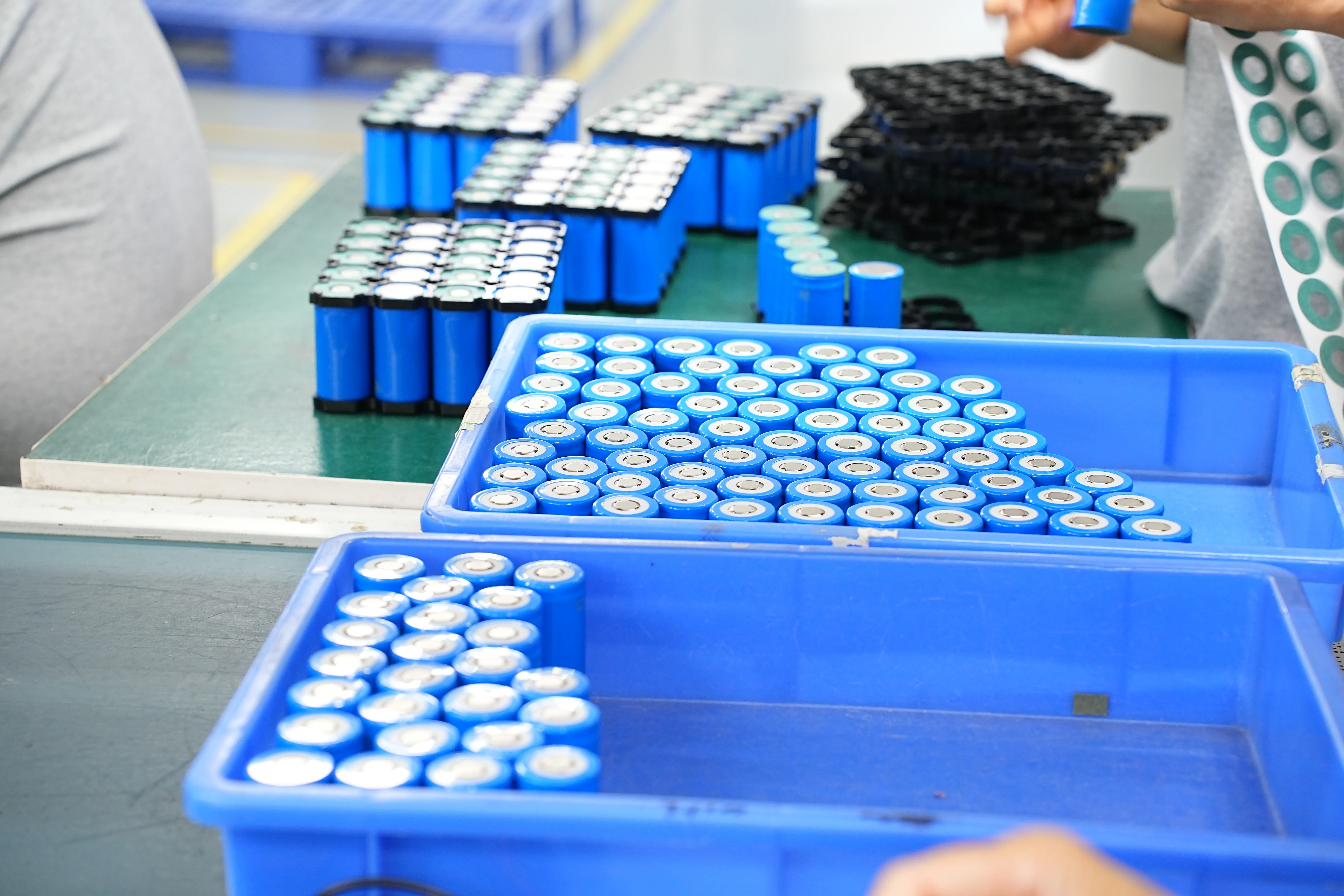
Today’s mobile and off-grid power applications demand consistent, cost-effective energy storage. Conventional lead-acid units fall short with short lifespans, slow charging and constant upkeep requirements. LiFePO4 lithium batteries have emerged as the leading upgrade, outmatching lead-acid on nearly every performance metric. This guide breaks down their standout perks and top real-world use cases.
Cycle durability creates the biggest performance gap between lithium and lead-acid storage. High-grade LiFePO4 cells handle 3,000 to 5,000 full charge-discharge cycles at an 80% depth of discharge. By comparison, standard lead-acid variants only reach 300–800 cycles under identical operating rules.
While lead-acid carries a cheaper upfront price tag, frequent replacements drive up total ownership expenses over time. Lithium packs hold steady performance for years, cutting operational downtime and repeated battery purchases for both residential and commercial power users.
Lithium cells boast ultra-low internal resistance, supporting high-current rapid charging without accelerating internal wear. Lead-acid technology relies on slow, multi-stage charging sequences, often requiring 8–12 hours to reach a full charge and suffering permanent degradation when exposed to fast charging currents.
With up to 98% charging efficiency, lithium minimizes wasted energy and slashes wait times. This feature is invaluable for boat owners, RV travelers and race crews who need quick power top-ups between trips or operations.
Lithium battery packs weigh 50–70% less than lead-acid batteries with identical power capacity. Their flexible packaging design allows custom slim sizing that easily fits tight equipment compartments too cramped for bulky lead-acid blocks.
This weight reduction boosts marine and RV fuel economy, sharpens handling for racing vehicles, and lowers overall load for all portable power equipment, delivering tangible functional improvements across mobile applications.
Flooded and AGM lead-acid batteries demand regular manual care: water refills, terminal corrosion scrubbing and mandatory equalization charges to prevent sulfation and early breakdown. LiFePO4 lithium systems eliminate all routine maintenance tasks entirely.
Every premium lithium pack comes equipped with an intelligent Battery Management System (BMS) that automatically manages cell balancing, overcharge defense and thermal monitoring, saving countless hours of labor over years of use.
Discharging lead-acid batteries below 50% state of charge triggers irreversible structural damage, meaning users can only access half of a battery’s rated energy. Lithium cells safely handle 80–100% deep discharge cycles without permanent chemical harm.
Full capacity utilization removes the need to oversize expensive battery banks, letting users capture every watt-hour of advertised storage and optimize their power system’s cost-performance ratio.
High-draw applications such as marine water pumps, RV air conditioning and racing starter motors trigger severe voltage sag in lead-acid batteries. This drop causes dim lighting, glitchy electronics and unreliable engine cranking.
Lithium cells hold a steady flat voltage across most of their discharge cycle. Consistent power delivery ensures motors, navigation gear and sensitive onboard electronics run smoothly even under peak energy demand.
Lead-acid batteries lose a large portion of their usable capacity in freezing temperatures, making them unreliable for cold-weather outdoor use. LiFePO4 lithium batteries maintain consistent output through both frigid and sweltering conditions, ideal for winter camping, open-water boating and high-temperature industrial field work.
When left idle, lithium batteries only lose 2–3% of their stored power each month. Lead-acid units self-discharge at a far higher 4–6% monthly rate. For seasonal equipment including boats, camper vans and backup solar power banks, lithium retains usable energy for months without constant top-up charging.
RV setups run refrigerators, air conditioners, lighting and water pumps for extended off-grid adventures. Lithium’s full usable capacity, light frame and rapid charging extend independent travel time, removing the hassle of frequent battery swaps for long road trips.
Yachts, fishing vessels and sailboats depend on steady power for navigation hardware, bilge pumps and onboard appliances. Lighter lithium packs balance hull weight and cut fuel consumption, while maintenance-free construction eliminates daily fluid checks aboard watercraft. Stable voltage keeps precision marine electronics running without disruption.
Top-tier motorsport teams worldwide rely on lithium starter and auxiliary battery packs. Up to 70% weight reduction boosts acceleration and vehicle handling, while high cranking amperage delivers consistent, reliable engine startups. Their long cycle life stands up to harsh, high-vibration racetrack conditions.
For remote cabins, field machinery and residential emergency power banks, lithium’s deep discharge tolerance and long cycle life create a cost-efficient solar storage solution. Users replace their battery banks far less often compared to lead-acid alternatives for permanent off-grid energy setups.
High-quality LiFePO4 battery packs utilize consistent, screened raw cells paired with advanced BMS hardware, delivering complete protection against overcharging, deep discharge, overcurrent, short circuits and thermal runaway. Every unit undergoes rigorous extreme temperature cycling and vibration testing to guarantee stable performance in harsh marine, outdoor and racing environments, striking a balanced mix of safety, durability and long-term value.
LiFePO4 lithium batteries outperform outdated lead-acid technology across cycle lifespan, charging speed, portability, usable capacity and maintenance costs. For RV enthusiasts, marine operators, motorsport crews and off-grid solar installers, switching to lithium resolves the core limitations of traditional battery systems, cuts long-term operational expenses and delivers more stable, efficient, safe energy storage. It remains the most practical long-term power upgrade for all modern mobile and stationary energy projects.
A: Absolutely. While lithium carries a higher upfront cost, its 5–10x longer service life, zero maintenance and superior energy efficiency drastically reduce total long-term ownership costs compared to lead-acid.
A: The standout benefits include ultra-long cycle life, safe deep discharge capability and consistent flat voltage output, which fully resolve lead-acid’s capacity waste and unstable power supply flaws.
A: No. Premium LiFePO4 packs built with integrated BMS are completely maintenance-free. There is no need for water refills, terminal cleaning or manual cell balancing during regular use.
A: LiFePO4 lithium batteries are the top pick. Their deep discharge resistance, extended cycle life and low self-discharge maximize solar energy capture and minimize costly storage bank replacements over the years.
A: Lithium batteries support 3,000–5,000 full cycles, versus just 300–800 cycles for lead-acid. Under identical usage patterns, lithium units last 5 to 10 times longer.


 Hotline
 Email
Email
 Address
RM 2201, Longshenghengbo Center, Jianshe East Road and Bulong Road Intersection, Longhua District, Shenzhen, Guangdong, China
B13 Bldg, Lihe Zijing Science and Technology Innovation Center Headquarters, No. 55, Qinghu East Road, Qingxi Town, Dongguan City, Guangdong Province, P.R. China


 Previous