

Sep 07, 2026 |BAKTH
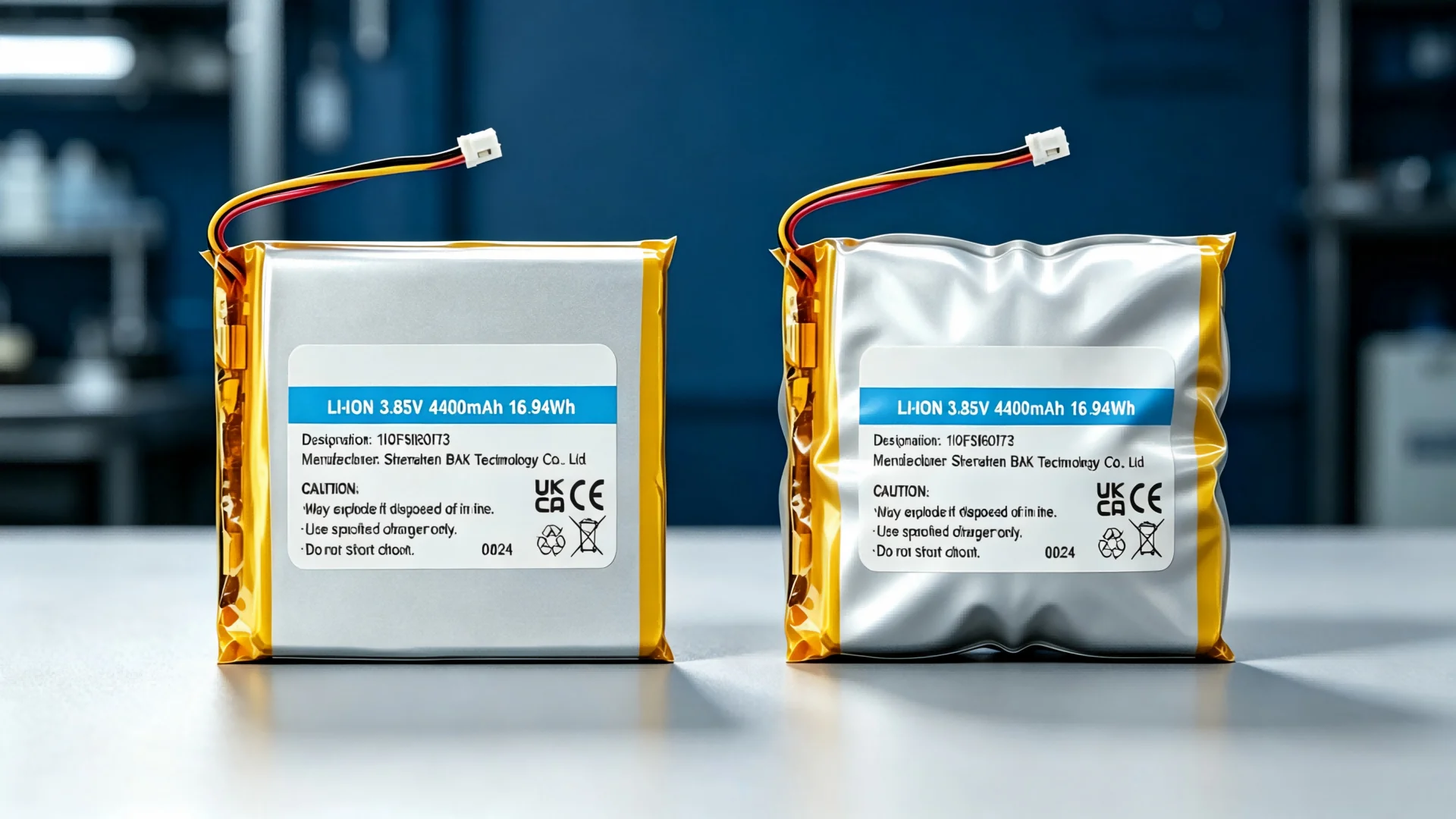
Lithium‑polymer (LiPo) batteries deliver exceptional power‑to‑weight performance for RC cars, drones and hobby equipment, yet improper handling creates real fire hazards. Knowing core operating rules for usage, charging, storage and disposal keeps your gear safe while extending pack service life.
Unlike older rechargeable chemistries, LiPo cells feature no memory effect, meaning partial charge‑discharge cycles will not degrade long‑term capacity. Each single LiPo cell carries a nominal voltage of 3.7 V. Multi‑cell packs connect cells in series, marked as 2S, 3S, 4S and higher to reflect total output voltage.
Every functional LiPo pack includes two connectors. The main power connector transfers high current to your RC hardware, sized to match the pack’s maximum discharge output. The secondary balance connector monitors voltage for every individual cell within the assembly, which is critical for safe charging and preventing cell imbalance.
Two core specifications guide real‑world performance: capacity measured in mAh, and discharge C‑rate. The mAh rating defines stored energy capacity. The C‑rate represents charge and discharge speed relative to total capacity. For a 450 mAh 60C battery, maximum continuous discharge equals 27 A. Actual runtime will shift depending on load draw and ambient temperature conditions.
Even high‑quality LiPo packs become risky when pushed outside their designed operating window. Always inspect every battery before use. Immediately set aside any unit showing swelling, dents, punctures, leaking electrolyte or abnormal heating — never attempt to charge or run damaged battery packs.
Respect temperature boundaries during operation. LiPo batteries work reliably between 10 °C and 50 °C. In cold environments, pre‑warm packs before flight or operation, as low temperatures drastically reduce available output power.
Avoid deep over‑discharge, one of the most common causes of permanent cell damage. While 2.5 V per cell marks the absolute hard‑failure threshold, hobby operators should land or stop equipment at 3.3‑3.5 V per cell under active load. Repeatedly draining cells to extremely low voltage dissolves internal materials and raises risks of internal short‑circuits later on.
Never exceed the pack’s published maximum discharge C‑rating. Over‑current draws generate excessive heat, accelerate puffing and shorten overall cycle life. Keep terminals protected from short‑circuit risks; do not puncture, cut or modify LiPo pouch cells under any circumstances. Do not submerge packs in water.
Charging‑related incidents account for most LiPo safety accidents, so strict charging routines are non‑negotiable. Only use battery chargers purpose‑built for lithium‑polymer chemistry; generic multi‑chemistry chargers require careful manual setting selection to avoid misconfiguration damage.
Respect hard voltage limits: standard LiPo tops out at 4.2 V per cell, while high‑voltage HV‑LiPo accepts up to 4.35 V per cell. Double‑check cell count settings on your charger before you start each charge cycle.
Always plug in the balance connector and enable balance‑charge mode. Balancing evens out voltage differences across series cells and prevents single‑cell overcharging. The recommended baseline charging speed sits at 1C. While premium‑grade packs support faster charging up to 3C‑5C, higher charge rates increase thermal stress and accelerate battery aging. Follow the manufacturer’s official charge‑rate recommendations.
Never leave charging LiPo batteries unattended. Place packs on non‑flammable surfaces or inside fire‑resistant LiPo safety bags. Keep flammable materials well clear of the charging zone. Allow batteries to cool down to room temperature after running before you begin charging; charging hot batteries creates extra stress on cell chemistry.
Storage habits heavily influence how many usable cycles you get from each LiPo pack. For short‑term storage under two weeks, you may keep batteries at their post‑use state. When storing for 14 days or longer, adjust each cell to 3.8 V, the ideal storage voltage which corresponds to roughly 50‑60 % state of charge. Storing fully‑charged LiPo for extended periods speeds chemical degradation, while long‑term storage at low voltage can trigger irreversible deep‑discharge failure.
Store packs in cool, dry surroundings with ambient temperature below 30 °C. Fire‑proof storage pouches or metal containers offer good protection against accidental short‑circuit damage. Keep batteries isolated from paper, fabric and other combustible objects.
LiPo batteries cannot go into ordinary household waste. Damaged, swollen or end‑of‑life packs contain hazardous components and present latent fire risk.
Before disposal, safely fully discharge the battery. Cover exposed terminals with tape to eliminate short‑circuit hazards. Deliver spent LiPo units to official local battery collection points or dedicated lithium‑battery recycling containers. Check local waste regulations for regional disposal requirements in your area.
LiPo batteries deliver unmatched performance for RC drones, cars and hobby systems, yet safety always depends on consistent user practice. Inspect packs regularly, stick to correct charging parameters, avoid deep discharge, maintain proper storage voltage and recycle old units through official channels. Following these simple steps minimizes fire risk and maximizes your battery investment.
Q: Can I leave my LiPo battery charging overnight?
A: No. Unattended charging is a major safety risk. Always supervise charging sessions and use a fire‑resistant safety container.
Q: What does “puffing” mean on a LiPo battery?
A: Puffing or swelling signals internal chemical damage. Stop using it immediately, store it in a fire‑safe container and arrange proper disposal.
Q: What C‑rate should I choose for my RC project?
A: Match continuous discharge C‑rate to your equipment’s peak current draw. Add reasonable current headroom; avoid running the battery constantly at its absolute maximum rated output.
Q: Do I need to balance‑charge every single time?
A: Yes for multi‑cell packs. Balance charging keeps individual cell voltages aligned and prevents dangerous single‑cell over‑voltage conditions.


 Hotline
 Email
Email
 Address
RM 2201, Longshenghengbo Center, Jianshe East Road and Bulong Road Intersection, Longhua District, Shenzhen, Guangdong, China
B13 Bldg, Lihe Zijing Science and Technology Innovation Center Headquarters, No. 55, Qinghu East Road, Qingxi Town, Dongguan City, Guangdong Province, P.R. China


 Previous