

Oct 22, 2026 |BAKTH
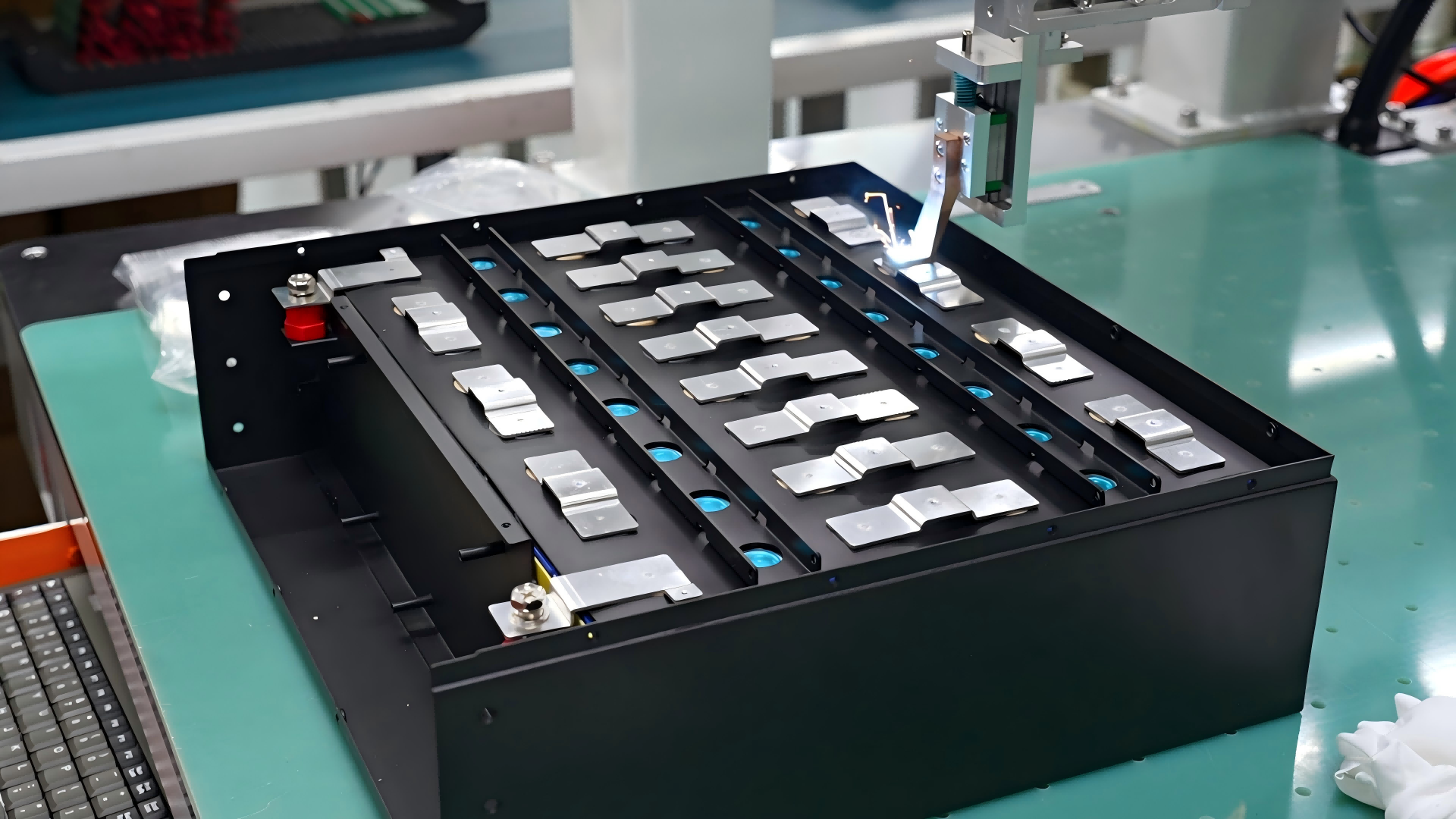
Choosing between an industrial-grade battery and a regular consumer battery comes down to load, environment and expected service life. Industrial packs are engineered for forklifts, robotics and energy storage, while regular batteries power remotes, toys and small electronics. This guide breaks down the design differences, lifespan, cost tradeoffs and safety rules to help you pick the right battery for your application.
Industrial batteries are purpose-built energy systems designed for continuous heavy-duty operation. Unlike consumer cells, they are constructed to withstand vibration, temperature swings, deep cycling and high current output over years of service.
Common chemistries include industrial lithium-ion, LiFePO4, lead-acid and NiCd. These packs are often custom-sized to fit specific equipment — forklift trucks, AGVs, solar energy storage arrays, data center backup systems and mining machinery.
Key traits:
Regular batteries are built for everyday consumer devices. They prioritize low cost, standardized sizes and convenience over rugged performance.
Types include alkaline disposables (AA, AAA, C, D, 9V), consumer NiMH rechargeables, coin cells and small consumer lithium packs found in phones, cameras and wireless earbuds.
Key traits:
| Factor | Industrial Battery | Regular Battery |
|---|---|---|
| Primary use | Heavy machinery, forklifts, energy storage | Remotes, toys, small electronics |
| Cycle life | 3,000–5,000+ cycles | Under 500 cycles (rechargeable) |
| Operating temp | -20°C to 60°C | 0°C to 40°C typical |
| Vibration resistance | High, rugged housing | Low, thin plastic casing |
| BMS protection | Full cell monitoring and balancing | Basic or none |
| Service life | 5–10+ years | 1–2 years (rechargeables) |
| Upfront cost | High | Low |
| Replacement | Custom sized, professional install | Off-the-shelf retail |
Industrial batteries anchor mission-critical power systems:
These applications demand high uptime. Battery failure means production downtime, lost revenue or safety risks — which justifies the higher upfront investment in industrial-grade cells.
Regular batteries handle light household and portable electronics:
For these low-draw, intermittent-use devices, an industrial battery would be massive overkill. The extra cost, size and maintenance provide no practical benefit.
No — not without professional modification.
Industrial packs often operate at 24V, 48V or higher. Plugging them into a 3V or 5V consumer device would instantly destroy the electronics. Terminal layouts, physical dimensions and BMS communication protocols are also custom to specific machines.
Even when voltage matches, the high current output of an industrial cell can overwhelm small consumer circuits. Direct substitution creates overheating, leakage and fire risks.
The reverse is also true. A consumer battery cannot replace an industrial pack on a forklift or AGV. It will not deliver sustained current, will overheat under load, and will fail within weeks.
Industrial batteries last dramatically longer under heavy use:
The longevity gap comes from higher-quality electrode materials, thicker separators, better thermal management and stricter cell matching during pack assembly. Industrial cells are also tested for deep-cycle durability, which consumer cells are not.
For high-duty applications, the lower upfront cost of regular batteries is misleading. Frequent replacement quickly drives up total cost of ownership.
Industrial batteries carry a much higher initial price tag. However, for equipment that runs daily, the longer cycle life and reduced downtime often deliver a lower total cost of ownership over 5–10 years.
Maintenance differs by chemistry:
Consider industrial-grade power if:
Stick with regular consumer batteries for low-power household devices, retail-replaceable gadgets and anything used only occasionally.
Q: Are industrial batteries always lithium?
A: No. Lead-acid remains common for forklifts and backup power. NiCd and NiMH are used in temperature-extreme industrial settings. Lithium-ion and LiFePO4 are growing rapidly due to lower maintenance and longer life.
Q: Can I replace a forklift lead-acid battery with a lithium industrial battery?
A: Yes, in most cases. Lithium forklift packs offer faster charging, longer cycle life and zero watering. Verify charger compatibility and BMS communication with your truck model.
Q: Why do industrial batteries cost so much more than AA batteries?
A: Industrial packs use premium cell grades, precision-matched cells, integrated BMS, rugged enclosures and extensive safety testing. The engineering and validation cost is amortized over far fewer units than mass-market consumer cells.
Q: Is an industrial battery "better" than a consumer battery?
A: Only for the right application. Industrial packs are superior for heavy, continuous, high-temperature use. They are wastefully expensive, oversized and over-specified for remote controls or clocks.
Q: How long does an industrial lithium battery last?
A: Under proper operating conditions, 5–10 years or 3,000–5,000 cycles. High-temperature exposure, deep discharge and poor maintenance can shorten this significantly.
Industrial batteries and regular batteries are built for fundamentally different jobs. Industrial packs invest in durability, cycle life and safety for heavy-duty commercial equipment. Regular batteries optimize for low cost and convenience in household devices. Match your battery choice to your actual load, environment and expected service life rather than simply chasing the lowest upfront price.


 Hotline
 Email
 Address
RM 2201, Longshenghengbo Center, Jianshe East Road and Bulong Road Intersection, Longhua District, Shenzhen, Guangdong, China
B13 Bldg, Lihe Zijing Science and Technology Innovation Center Headquarters, No. 55, Qinghu East Road, Qingxi Town, Dongguan City, Guangdong Province, P.R. China


 Previous