

Aug 03, 2026 |BAKTH
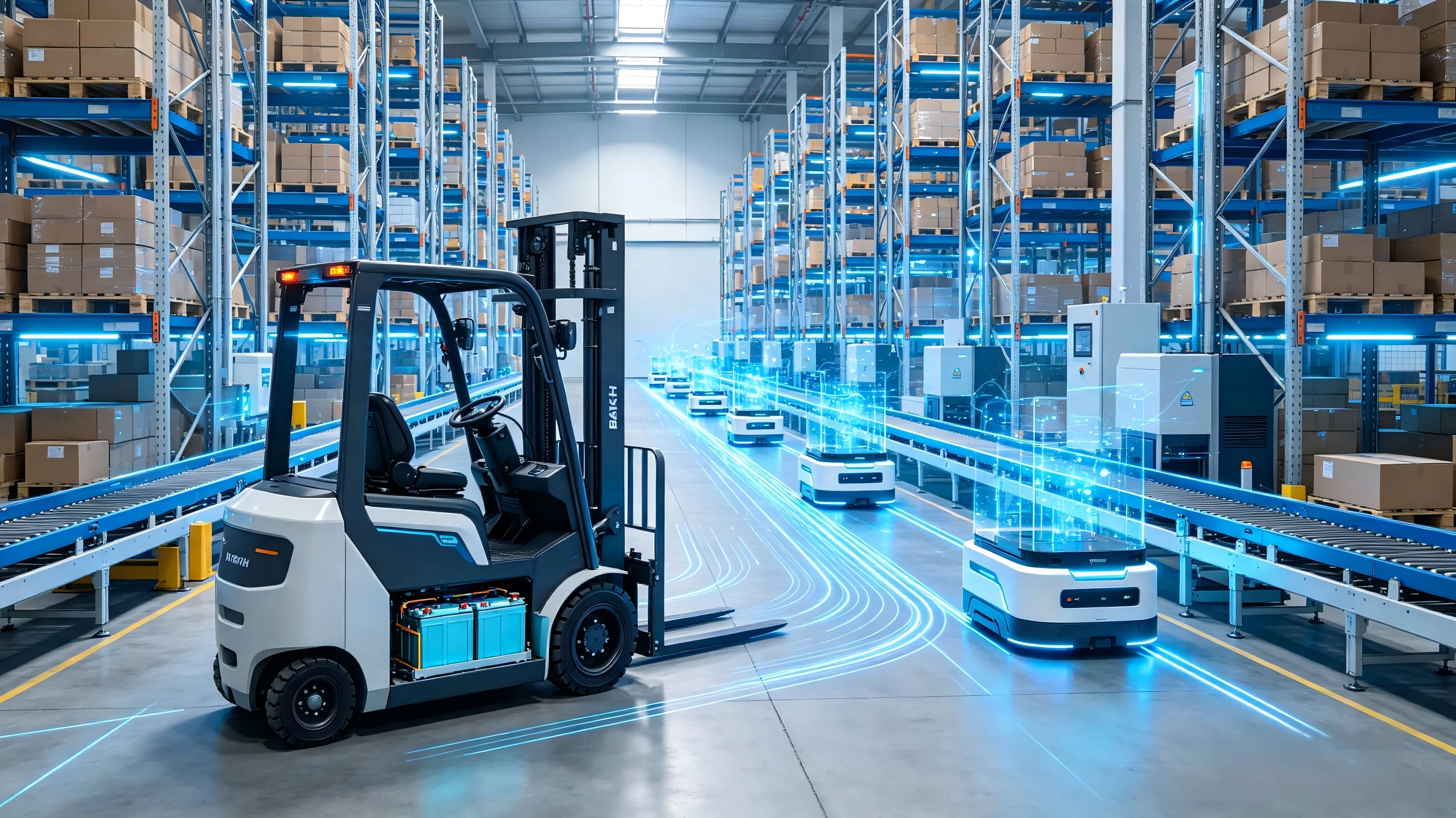
Global manufacturing facilities are rapidly adopting full automation, digital production and on-site renewable power, creating unprecedented demand for stable, intelligent energy storage. Lead-acid batteries can no longer meet modern factory standards for efficiency, lifespan and low-temperature operation. Industrial lithium-ion packs resolve these pain points, serving as foundational power infrastructure for every automated production zone. This guide breaks down their operational value, key factory use cases, emerging tech trends and real challenges plant managers must address. (Word count: 126)
Industrial lithium cells boast far higher round-trip charge-discharge efficiency than lead-acid equivalents, slashing wasted internal energy and cutting monthly factory electricity overheads. Their outstanding volumetric energy density delivers compact, lightweight cabinet designs that free up critical floor space in crowded assembly workshops. Unlike lead-acid units that generate excess heat during charging, lithium power systems operate with minimal thermal loss even under continuous heavy industrial loads.
High-grade industrial lithium packs withstand thousands of full charge-discharge cycles, eliminating frequent battery replacement labor and bulk procurement expenses. They operate 100% maintenance-free—no distilled water refills, mandatory equalization charging or terminal corrosion scrubbing required, trimming recurring facility upkeep costs. Meanwhile, falling per-kWh lithium prices year-over-year make lithium storage a profitable long-term capital investment for all manufacturing operations.
Lithium battery energy storage systems integrate seamlessly with factory rooftop solar and wind generation, maximizing self-consumption of on-site renewable power and reducing reliance on fossil-fuel grid electricity. This directly lowers Scope 2 carbon emissions to meet mandatory ESG reporting standards in North America and Europe. At end-of-service life, lithium cell materials undergo certified professional recycling, drastically cutting toxic industrial waste compared to lead-acid batteries loaded with hazardous lead components.
Lithium-ion cells hold a flat, consistent voltage curve through nearly their entire discharge cycle, eliminating the crippling voltage sag common with lead-acid under peak factory power draw. Integrated smart Battery Management Systems (BMS) run 24/7 cell health tracking to catch faults before power failures occur, protecting sensitive CNC machines, automated control panels and precision testing gear. Their ultra-low monthly self-discharge rate ensures idle production equipment retains full power through weeks of seasonal downtime.
Food processing, pharmaceutical manufacturing and chemical production all rely on constant sub-zero cold storage environments. Traditional lead-acid batteries lose massive usable capacity at freezing temperatures, risking failures for refrigeration monitoring sensors, cold-chain transport robots and emergency backup power units. Industrial lithium-ion packs retain consistent output in frigid conditions, guaranteeing non-stop operation of critical cold-area production equipment year-round.
Today’s modern industrial lithium battery packs come pre-equipped with integrated telemetry and cloud data logging hardware. Plant supervisors remotely access live dashboards tracking battery temperature, real-time voltage, total cycle count and remaining state of charge from any office or off-site location. This actionable data stream powers predictive maintenance scheduling, eliminates unplanned equipment downtime, and lets facilities optimize their complete factory energy consumption strategy.
Material transport robots form the core of smart warehouse and assembly line automation. Lithium batteries support multi-shift nonstop factory operation, with opportunity charging capabilities during worker lunch and shift change breaks—no lengthy mandatory cooling periods required like lead-acid. Their lightweight construction cuts robot dead weight, boosting movement speed and maximum load capacity for packaging, quality inspection and cross-floor material handling workflows.
Industrial Battery Energy Storage Systems (BESS) capture surplus solar energy generated during daytime production hours for overnight factory use, drastically lowering expensive peak-time grid demand charges. These lithium storage banks also act as instant uninterruptible power supply (UPS) during grid blackouts, shielding high-precision machining equipment and digital control systems from power surges and catastrophic production run halts.
Factory drills, industrial welders, plasma cutters and handheld quality testing devices all leverage lithium’s lightweight build and extended runtime between charges. Shop floor technicians move freely across sprawling production facilities without being tethered to fixed wall power outlets, accelerating assembly line throughput and minimizing workflow delays from frequent recharging cycles.
Electric forklifts, warehouse pallet jacks, factory delivery carts and site utility vehicles universally adopt industrial lithium battery packs. Zero tailpipe exhaust emissions allow safe indoor operation without costly dedicated ventilation infrastructure, while ultra-fast charging slashes vehicle downtime for logistics teams. Extended cycle lifespans reduce annual fleet maintenance and battery replacement expenditures for large-scale manufacturing campuses.
Ongoing R&D advances in LFP cathode chemistry and silicon anode materials continuously extend cycle life, boost energy density and enable safer high-speed charging. New modular compact battery architectures simplify on-site installation and seamless capacity expansion as factory production lines scale up energy demand over time.
As manufacturing automation and renewable energy adoption accelerate worldwide, demand for custom industrial lithium power solutions continues steep growth. Top high-growth segments include automated warehousing, cold-chain food processing, pharmaceutical production and remote off-grid industrial facilities throughout North America and Western Europe.
Industrial lithium-ion batteries have evolved from optional upgrades to irreplaceable core infrastructure for every modern automated manufacturing plant. They deliver unbeatable energy efficiency, multi-year cycle durability, zero maintenance operation, stable cold-temperature performance and intelligent cloud-connected data tracking—all while helping factories hit corporate sustainability and carbon reduction goals. Facilities that transition away from legacy lead-acid power systems cut long-term operational expenses, reduce unplanned production downtime and build fully sustainable digital manufacturing workflows. As factory automation and renewable energy rollouts expand globally, lithium storage technology will become a non-negotiable standard for advanced production campuses of all sizes.
BAKTH holds decades of specialized engineering expertise designing industrial lithium SAFEFlex battery systems built for forklifts, AGV robots, factory backup BESS and production line power. Every pack includes full multi-layer BMS thermal and electrical safety protection, drop-in compatibility to replace legacy lead-acid equipment, and full custom engineering to match unique factory power load requirements. Our global technical team provides on-site operational demos and free energy upgrade consultation for manufacturing facility managers worldwide.
A: The primary advantages include higher energy efficiency, thousands of long-life charge cycles, zero routine maintenance, consistent voltage under heavy loads, reliable cold storage performance and cloud-connected predictive maintenance monitoring via smart BMS telemetry.
A: Absolutely. Industrial lithium packs support opportunity charging during shift breaks, deliver lightweight construction to boost robot and forklift load capacity, and withstand nonstop multi-day production cycles without performance degradation.
A: Lithium BESS stores excess on-site solar power to cut grid electricity consumption and lower Scope 2 emissions. Their extended service life reduces battery waste, and certified recycling programs recover critical raw materials for reuse, slashing overall industrial environmental footprints.
A: Yes. Unlike lead-acid batteries that lose most capacity below freezing, industrial lithium-ion packs maintain stable power output in sub-zero temperatures for cold-chain monitoring, robotics and backup power equipment.
A: Key industry hurdles include volatile lithium/cobalt raw material supply chains, incomplete regional industrial battery recycling networks, and strict fire safety certification requirements for large-scale factory storage banks.


 Hotline
 Email
Email
 Address
RM 2201, Longshenghengbo Center, Jianshe East Road and Bulong Road Intersection, Longhua District, Shenzhen, Guangdong, China
B13 Bldg, Lihe Zijing Science and Technology Innovation Center Headquarters, No. 55, Qinghu East Road, Qingxi Town, Dongguan City, Guangdong Province, P.R. China


 Previous