

Aug 17, 2026 |BAKTH
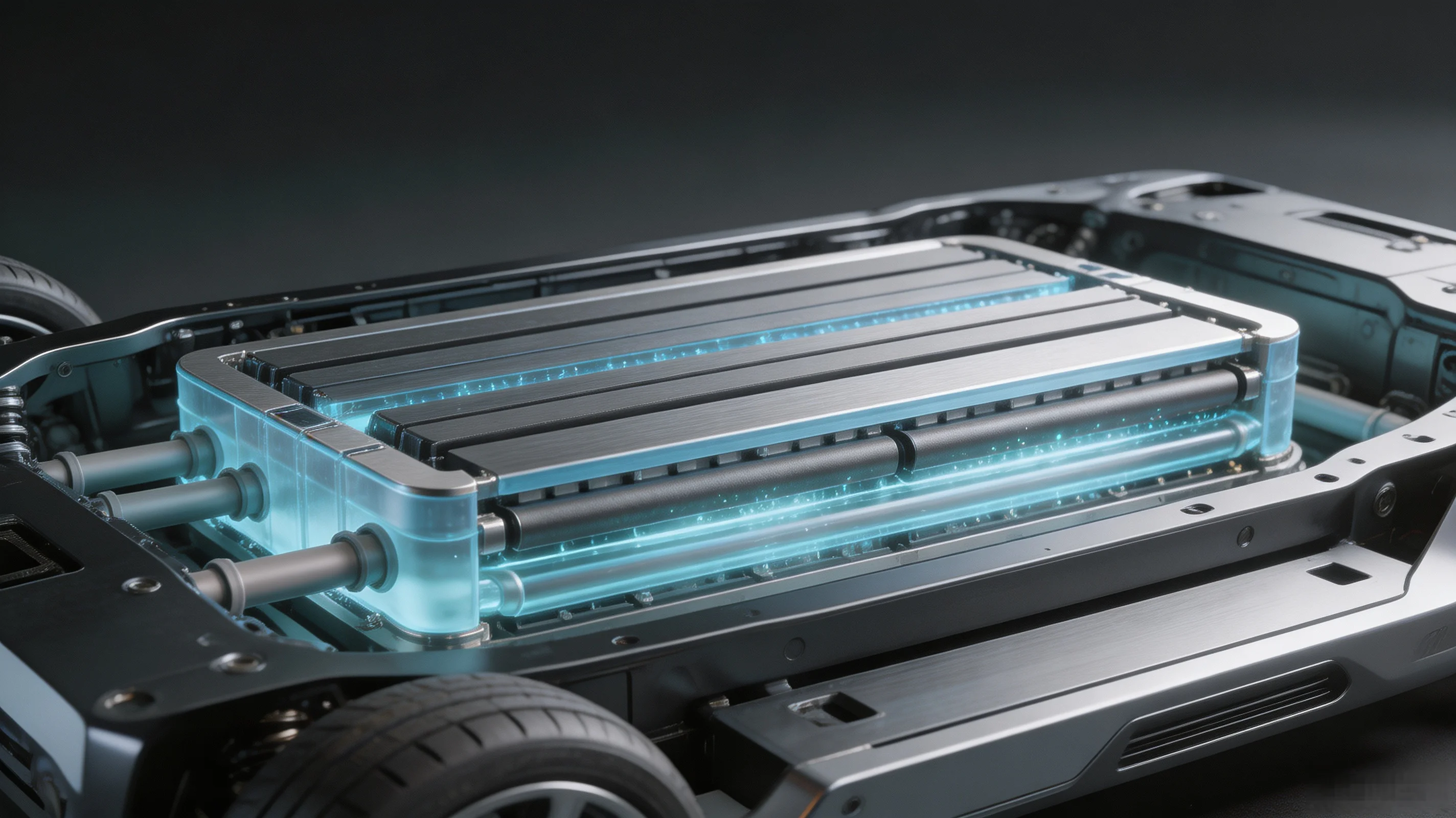
Electric vehicle performance has advanced dramatically over the past decade with longer ranges and faster charging. Yet mainstream EVs still rely on conventional liquid lithium-ion batteries with fundamental limitations. Emerging production-ready solid-state battery technology is set to overhaul electric mobility, delivering game-changing speed, safety, and durability for next-generation road transport.
Traditional lithium-ion EV batteries use flammable liquid electrolytes to transfer ions between electrodes. This long-standing design creates inherent risks, including thermal runaway, fire hazards, and performance drops in extreme temperatures.
Solid-state battery architecture replaces volatile liquid electrolytes with stable solid conductive materials, resolving most core flaws of liquid lithium-ion cells. After years of laboratory iteration, modern solid-state innovations have achieved commercial viability, breaking key industrial bottlenecks that once blocked mass production.
Latest production-grade solid-state cells deliver industry-leading performance benchmarks:
This next-gen battery solution is first launching in premium electric two-wheeler fleets, with passenger EVs and commercial electric vehicles scheduled for widespread adoption as manufacturing scales and production costs decline.
Solid-state technology will not instantly replace existing lithium-ion EV fleets, but it establishes a definitive new standard for electric transport performance and usability.
Class-leading energy density enables smaller, lighter battery packs to deliver far longer driving ranges compared to equivalent-weight lithium-ion setups. Lighter battery construction also improves vehicle efficiency, handling, and overall energy consumption per mile.
Five-minute full-charge capability eliminates the biggest pain point of electric vehicle ownership. Matching the refuel speed of traditional petrol vehicles removes charging downtime barriers for daily commuters, road trips, and commercial fleet operations.
Superior cycle resilience drastically slows capacity degradation, reducing battery replacement frequency and lowering long-term vehicle maintenance costs. Additionally, modern solid-state battery materials feature diversified supply chains, reducing geopolitical sourcing risks and stabilizing OEM pricing for electric vehicles.
Customizable cell shapes and modular designs support seamless integration across electric motorcycles, passenger cars, delivery vans, and heavy-duty commercial EVs, unifying next-gen electric mobility architecture.
Despite exceptional lab and prototype performance, solid-state batteries face tangible hurdles before dominating the consumer EV market:
Current solid-state production processes require precision engineering and specialized materials, resulting in far higher costs than mature liquid lithium-ion manufacturing lines. Large-scale gigafactory expansion and streamlined workflows are essential to drive competitive pricing.
Controlled lab test results cannot fully replicate real-world road conditions, including variable weather, uneven charging power, and long-duration mileage wear. Extended field testing is required to verify consistent long-term performance for mass consumer vehicles.
Scaled production demands stable sourcing of specialized solid electrolyte raw materials and uniform quality assurance across diverse cell specifications, creating complex supply chain challenges for manufacturers.
Most existing electric vehicle chassis, battery enclosures, and cooling systems are engineered for liquid lithium-ion cells. Automakers must redesign core vehicle structures to fully optimize solid-state battery performance.
Advanced battery potential cannot be fully realized without upgraded public charging networks. Solid-state ultra-fast charging requires high-power, grid-stable charging hardware capable of sustaining extreme output without hardware degradation or grid overload.
Future-proof charging infrastructure must support variable voltage and adaptive power delivery to accommodate evolving battery chemistries. Grid-integrated, renewable-powered charging stations are critical to unlocking solid-state batteries’ full speed and efficiency benefits while maintaining low-carbon transport sustainability.
Solid-state batteries represent the most significant technological leap in EV power storage in a generation. As energy density, charging speed, and safety continue to improve, electric vehicles will become universally accessible for all consumer, commercial, and industrial use cases.
Battery innovation and charging infrastructure development must advance in tandem. Continuous network upgrades from energy providers ensure next-gen batteries deliver reliable, fast, eco-friendly power for the future of zero-emission transport.
Q: What exactly is a solid-state EV battery?
A: A solid-state battery replaces flammable liquid electrolytes in standard lithium-ion cells with solid conductive materials. This redesigned structure delivers higher energy density, ultra-fast charging, extreme temperature stability, and vastly improved fire safety.
Q: How fast can modern solid-state EV batteries charge?
A: Leading production-ready solid-state cells achieve a full charge in approximately five minutes with dedicated high-power charging equipment, outperforming conventional fast-charging lithium-ion batteries by a substantial margin.
Q: Are solid-state batteries safer than traditional lithium-ion?
A: Yes. By removing flammable liquid electrolytes—the primary cause of thermal runaway and battery fires—solid-state cells deliver exceptional safety during collisions, punctures, and high-temperature exposure.
Q: What are the core advantages of solid-state batteries over lithium-ion?
A: Key benefits include 400 Wh/kg high energy density, 5-minute full charging, extended cycle life, extreme temperature resilience, superior fire safety, stabilized material supply chains, and flexible form-factor customization.
Q: Why are solid-state batteries not widely used in EVs yet?
A: High manufacturing costs, ongoing real-world reliability validation, complex supply chain scaling, and required vehicle architecture redesigns slow mainstream passenger EV adoption, with gradual market rollout planned through the late 2020s.
Q: Will solid-state batteries lower long-term EV ownership costs?
A: Absolutely. Slower capacity fade and longer service lifespans reduce battery replacement frequency and maintenance expenses, delivering superior total cost of ownership over traditional lithium-ion EV batteries.
Q: Do solid-state batteries support environmental sustainability goals?
A: Yes. Longer battery lifespans reduce manufacturing waste, diversified raw material supply chains cut carbon-intensive mining reliance, and higher charging efficiency lowers per-mile energy consumption, supporting global net-zero transport targets.


 Hotline
 Email
Email
 Address
RM 2201, Longshenghengbo Center, Jianshe East Road and Bulong Road Intersection, Longhua District, Shenzhen, Guangdong, China
B13 Bldg, Lihe Zijing Science and Technology Innovation Center Headquarters, No. 55, Qinghu East Road, Qingxi Town, Dongguan City, Guangdong Province, P.R. China


 Previous