Home>News >

Li‑Po Battery Overheating: Warning Signs, Causes & Emergency Safety Steps

Aug 20, 2026 |BAKTH

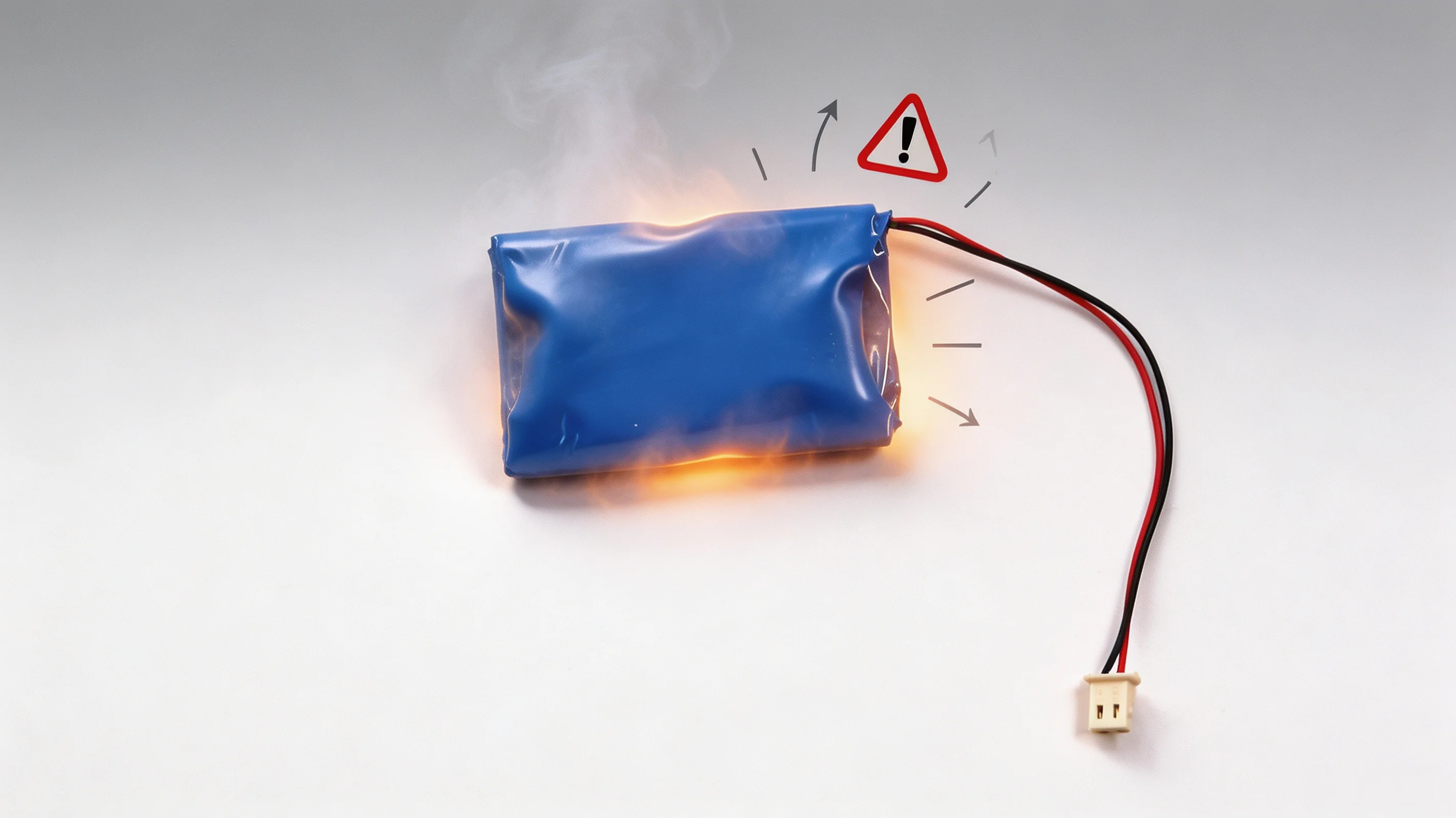
lipo‑battery‑overheating‑thermal‑runaway‑safety.webp

Lithium‑polymer batteries power drones, RC models, portable electronics and consumer gadgets. While delivering outstanding energy density, they carry real thermal risks. Minor warmth is normal under heavy load, yet unchecked overheating can trigger thermal runaway, permanent cell damage or fire. This article covers early warning clues, root triggers, emergency protocols and practical tips to keep your Li‑Po packs safe.

Is Slight Warmth Normal for Li‑Po Batteries?

It is completely normal for Li‑Po packs to feel mildly warm during fast charging, drone full‑throttle flight or high‑current RC motor runs. Internal resistance inside each cell turns part of electrical energy into heat during ion movement.

Temperatures climbing above 60°C are not normal. If your battery grows hot during light‑duty operation with no heavy load, stop usage and inspect it immediately. Damaged or aged cells can reach critical thresholds far quicker than brand‑new units.

Early Warning Signs of Dangerous Overheating

Learn these red‑flag indicators before catastrophic failure takes place:

  • Unbearable surface heat: Too hot to keep fingers touching for more than 1‑2 seconds
  • Visible swelling or puffing: Pillow‑like bloating on the soft pouch casing from trapped internal gas
  • Unusual acoustic cues: faint hissing, popping or cracking sounds from building internal pressure
  • Distinct chemical smell: sweet, sharp or metallic odour from venting electrolyte
  • Electrolyte leakage: sticky fluid seeping out of battery packaging
  • Smoke or vapour: highest‑level emergency signal; thermal runaway may already be underway
  • Sudden performance drop: unexpected power cuts or drastically shortened runtime
  • Device firmware alerts: on‑board sensors pop‑up “battery temperature high” notifications

What Triggers Li‑Po Battery Overheating

Heat buildup mostly stems from resistive heating plus harmful side chemical reactions inside pouch cells:

  1. Improper charging: Mismatched, faulty or incorrectly configured chargers force excess current into cells, generating large amounts of heat.
  2. Excessive discharge rates: Running Li‑Po beyond its rated C‑rating, common within high‑speed RC equipment, spikes internal resistance and heat output.
  3. Internal short‑circuit events: Punctures, crushing impact or latent manufacturing defects create tiny hot‑spots inside cell layers.
  4. Extreme surrounding temperatures: Direct sunlight, locked hot vehicle cabins raise baseline operating temperature; freezing ambient conditions also boost internal resistance and heat generation under load.
  5. Cell ageing and wear: Older degraded Li‑Po packs show higher internal resistance, producing more heat under identical working conditions.
  6. Mechanical abuse & deep discharge: Bending, squeezing or draining individual cells below 3 V permanently harms inner structures and amplifies thermal risk.

How Thermal Runaway Develops

Thermal runaway represents a self‑accelerating chemical chain reaction. While many healthy Li‑Po cells cross 150 °C before full runaway initiation, damaged packs can slip into this state at significantly lower temperatures.

  1. Rising heat melts the thin plastic separator film that keeps anode and cathode physically separated.
  2. Massive internal short‑circuit releases huge thermal energy; cathode and flammable electrolyte begin decomposing.
  3. Decomposition yields flammable and toxic gas mixtures including hydrogen, methane and carbon monoxide.
  4. Mounting pressure distends the pouch and may rupture the outer foil casing.
  5. Flammable electrolyte vapours ignite. Within multi‑cell battery packs, heat spreads rapidly across neighbouring cells and causes cascading total‑pack failure.

Emergency Steps for an Overheating Li‑Po Battery

Follow these actions the second you spot overheating symptoms:

  1. Cut power: Stop discharging and disconnect charging sources right away.
  2. Only remove the battery from your device if you can do so without burns, punctures or squeezing damage.
  3. Relocate the unit to open‑air, fire‑resistant ground. Keep well clear of fabric, paper, wood and any combustible materials. Fire‑proof Li‑Po safety bags are recommended for isolation.
  4. Never pierce, squeeze or apply mechanical force to a warm/swollen battery; physical damage can instantly set off thermal runaway.

If smoke or open fire appears: Use abundant water or Class‑D fire suppression equipment only if you face zero personal danger. Otherwise evacuate the surrounding area and dial local emergency services. Make sure responders are notified this is a lithium‑polymer battery incident.

Safe Cooling Rules (What You Must Never Do)

Passive natural air cooling is your only safe approach.

  • Leave the battery inside isolated, well‑ventilated space and allow it to cool gradually.
  • ❌ Do NOT submerge into water
  • ❌ Do NOT place inside refrigerators or freezers. Rapid temperature shifts trigger condensation moisture that creates new internal short‑circuits and permanent cell damage.

Cooling duration varies:

  • Mild over‑warm packs: 15‑30 minutes passive air cooling
  • Batteries exceeding 60 °C: 1‑2 hours or longer to reach ambient temperature

Critical note: Any Li‑Po showing swelling, odour or venting after overheating sustains irreversible internal chemical harm. Even after it feels cool, discard it properly — cooling cannot repair damaged cells. Do not attempt reuse.

Proactive Prevention to Avoid Excessive Heat

Most Li‑Po thermal accidents are preventable through consistent best practices:

  1. Always pair batteries with manufacturer‑approved smart chargers that support temperature sensing and auto‑shutoff functions. Verify cell count and charge settings before every charge cycle.
  2. Deploy battery packs fitted with reliable BMS (Battery Management System). A quality BMS monitors temperature, voltage and current, cutting power once parameters go out of safe operating windows.
  3. Never push batteries past their official continuous discharge C‑rate limits for your RC, drone or handheld hardware.
  4. Charge and store Li‑Po inside cool, ventilated spaces; avoid direct sun exposure and closed hot compartments.
  5. Conduct quick visual inspections before each use. Retire packs with swelling, dents, torn foil casing or strange chemical odours.
  6. Prevent deep discharge; avoid draining individual Li‑Po cells under 3 V.

Frequently Asked Questions

Q: Can worn‑out batteries overheat under normal load?

A: Yes. Ageing raises internal resistance. Even moderate draw turns extra energy into heat, making older batteries run hotter than new equivalents.

Q: Will overheating permanently destroy my Li‑Po battery?

A: Repeated high‑temperature exposure decomposes electrolyte, cuts usable capacity and shortens cycle life. One serious thermal event may reduce remaining service life by half and introduce hidden swelling risks.

Q: If my battery shuts down from overheating protection, can I keep using it after cooling?

A: Temporary thermal shutdown triggered by BMS protects hardware in‑the‑moment. Still, you must investigate why overheating occurred. If overheating recurs with the same setup, retire that battery pack.

Q: Once thermal runaway starts, can I stop it?

A: Stopping active thermal runaway is extremely difficult. Your main strategy lies in prevention. After ignition, isolate the hazard, keep safe distance and call emergency support.

Q: What should I do if my Li‑Po heats up while charging?

A: Terminate charging immediately. Double‑check charger configuration, cell count and cable connections. Only use certified matching charging hardware. Charge in open cool locations. Recurring heat during charging points to defective chargers or compromised battery cells.

Conclusion

Minor warmth belongs to normal Li‑Po operation under heavy‑load conditions, but abnormal overheating signals severe underlying risk. Spotting early warning signs, following correct emergency response workflows and sticking to standard charging & operating rules safeguards your equipment and personal safety. Reliable built‑in BMS protection plus compatible certified accessories drastically lower thermal‑hazard probability for drone, RC and portable electronic applications.

Request A Quote
Previous Post Previous Next Post