

Sep 17, 2026 |BAKTH
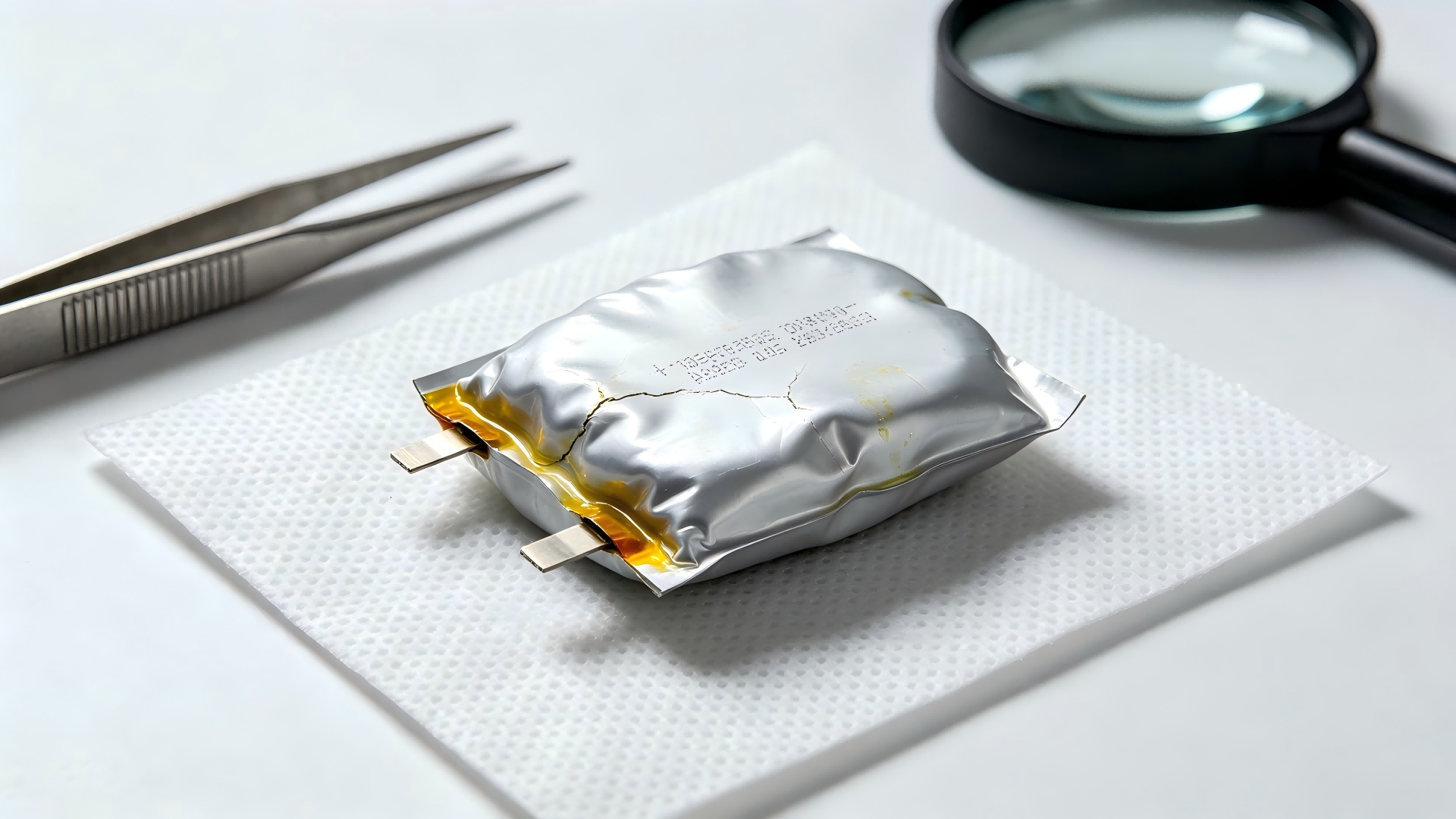
Lithium-ion batteries dominate modern life, powering phones, e-bikes, power tools and home gadgets with high energy density and portability. While statistically safe with standard use, battery explosions are not random accidents. Almost all catastrophic failures stem from overlooked daily habits, hidden internal damage, or unaddressed cell instability. This guide reveals the non-obvious triggers of lithium battery explosions, early warning signs, and simple prevention rules for everyday users.
Traditional lead-acid and NiMH batteries have low energy density and stable chemical structures, making explosive failure extremely rare. Lithium-ion cells are fundamentally different.
They pack massive electrical energy into compact, sealed casings with delicate internal layers: anode, cathode, thin separator film, and liquid electrolyte. When this precise internal structure is disrupted, rapid chemical chain reactions occur, building extreme internal pressure and high heat—ultimately leading to fire or explosion.
Crucially, most battery failures are delayed reactions. Damage often accumulates silently for days or weeks before a catastrophic incident happens.
Most users only associate overheating with direct flame exposure. In reality, thermal runaway starts from tiny, repeated internal faults. Minor internal short circuits generate small amounts of heat during charging or use.
Lithium-ion batteries create a self-amplifying cycle: slight heat accelerates chemical reactions, which produces more heat, until the cell crosses its critical temperature threshold. The electrolyte vaporizes, internal pressure spikes, and the battery ruptures or explodes. This can happen even on devices that feel “normal” to the touch.
Built-in BMS (Battery Management System) protection only works with compatible, certified chargers. Generic, counterfeit, or low-cost third-party chargers lack stable voltage and current regulation.
They frequently deliver irregular power, causing subtle overcharging, unbalanced cell voltage, and gradual internal degradation. E-bikes, e-scooters, vape devices and power tools are the highest-risk devices—replacement off-brand chargers are the leading cause of residential battery fires.
A common misconception: batteries are safe if they look intact.
Dropping your phone, squeezing a power bank, or bending e-bike battery frames rarely causes immediate failure. However, these impacts can tear the ultra-thin internal separator layer, creating micro short circuits inside the cell.
These hidden defects lie dormant until charging or high-load use, triggering sudden thermal runaway hours or even months later.
Leaving battery-powered devices in parked cars, stuffed in tight backpacks, or covered by blankets creates trapped heat. Lithium-ion chemistry is extremely heat-sensitive.
High ambient temperatures speed up electrolyte decomposition, weaken internal structures, and drastically reduce thermal stability. Even moderate prolonged heat weakens cells and lays the groundwork for explosive failure over time.
Not all battery faults come from user error. Mass-produced low-cost lithium cells often contain hidden factory flaws: trapped manufacturing debris, uneven electrode coating, thin defective separators, or poor cell balancing in battery packs.
These defective batteries function normally at first but have unstable internal structures, making them prone to sudden failure under regular usage conditions.
Nearly all exploding batteries show clear pre-failure symptoms before disaster strikes:
If you notice any of these signs, stop using and charging the device immediately. Move it away from flammable materials to avoid fire hazards.
Lithium-ion battery failures release intense heat, corrosive chemicals, flying debris and toxic fumes. Common severe injuries include multi-degree burns, shrapnel lacerations, permanent eye damage, blast-induced hearing loss, and toxic inhalation injuries. Many victims also suffer long-term scarring, psychological trauma, and substantial financial losses from medical bills and property damage.
Q: Can a lithium-ion battery explode suddenly with no warning?
A: Rarely. Almost all catastrophic failures have subtle accumulated damage or early warning signs that most users overlook.
Q: Are new batteries safer than old ones?
A: Yes. Aged batteries suffer degraded internal structures and weaker BMS protection, making them far more susceptible to thermal runaway.
Q: Is overnight charging a major safety risk?
A: It increases risk significantly. Extended trickle charging and accumulated heat stress accelerate internal battery degradation.
Q: What should I do with a swollen lithium battery?
A: Discontinue use instantly, place it in a fireproof container, and dispose of it via official battery recycling stations—never throw it in household trash.


 Hotline
 Email
 Address
RM 2201, Longshenghengbo Center, Jianshe East Road and Bulong Road Intersection, Longhua District, Shenzhen, Guangdong, China
B13 Bldg, Lihe Zijing Science and Technology Innovation Center Headquarters, No. 55, Qinghu East Road, Qingxi Town, Dongguan City, Guangdong Province, P.R. China


 Previous