

Oct 15, 2026 |BAKTH
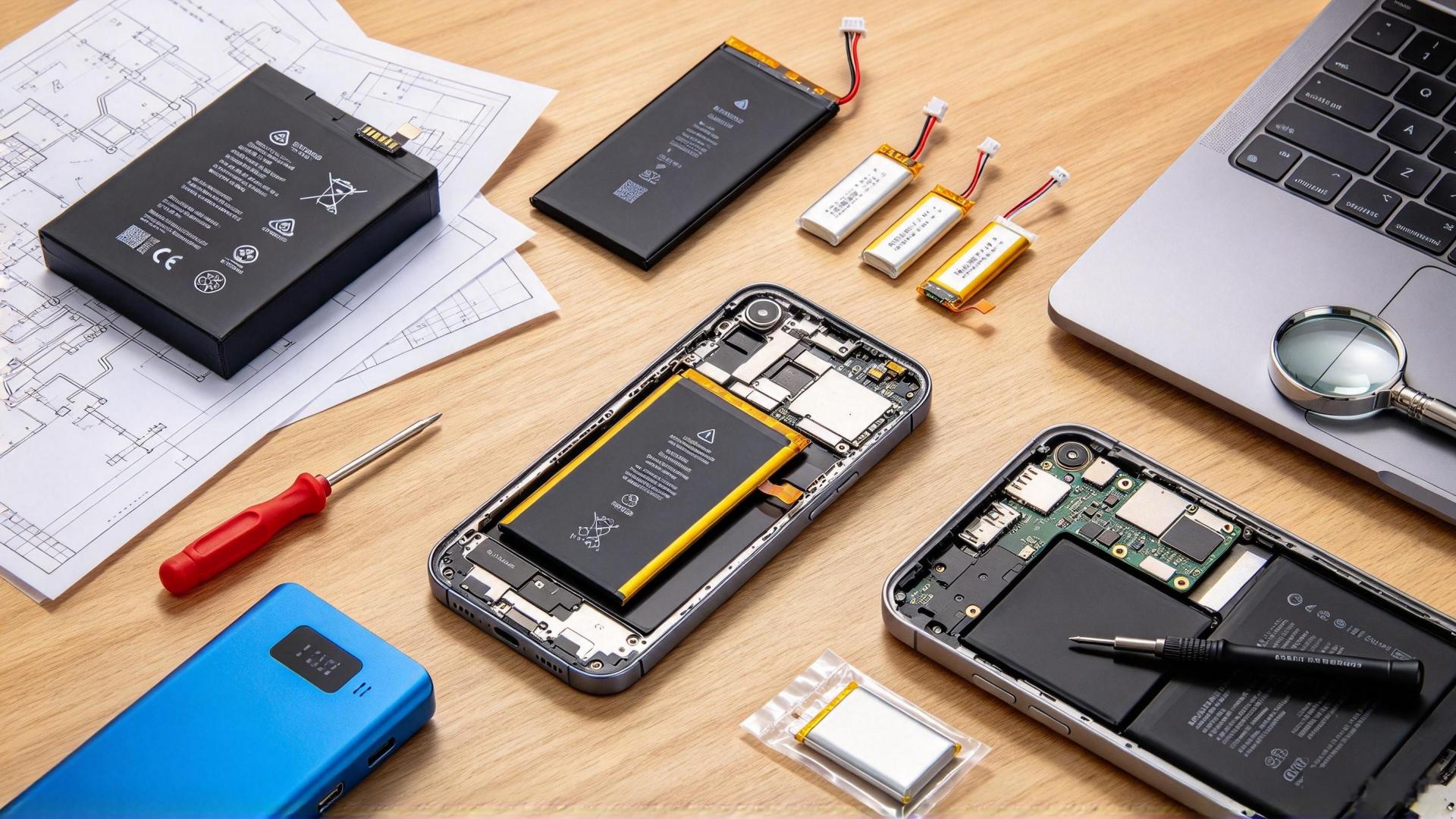
Whether you shoot weddings, landscapes, or travel photography, reliable camera power is non-negotiable. OEM and third-party camera batteries are the two main options, with big gaps in price, consistency and long-term safety. Many photographers wonder if cheaper aftermarket batteries are worth the savings. Let’s break down the real-world tradeoffs.
OEM (Original Equipment Manufacturer) camera batteries are built to the exact specifications of your camera brand: Canon, Sony, Nikon, Fujifilm, and more. They are engineered to communicate with your camera’s firmware, matching power delivery, temperature sensing and battery reporting algorithms.
Third-party, or aftermarket batteries, are manufactured by separate accessory companies. They typically sell for 30–50% less than OEM alternatives. A common myth says OEM and aftermarket batteries come off identical factory production lines. While some factories produce cells for multiple brands, shared manufacturing facilities do not guarantee equal materials, cell grading or quality control standards.
OEM brands enforce strict cell grading rules. Any cells that fail capacity, stability or safety checks get rejected. Those rejected cells may still function, and manufacturers can repackage them as third-party batteries at a steep discount. Cheaper internal protection circuits and lower-grade electrolyte materials also cut production costs.
Quality control testing is another major difference. OEMs test a high percentage of units to catch early defects. Many third-party manufacturers reduce sampling rates or relax pass/fail thresholds to reduce waste. The result is a wider spread of performance, where some units work fine, while others degrade rapidly or fail unexpectedly.
A well-made third-party battery can work perfectly for casual shooters who only pick up their camera occasionally. But for heavy, professional use, inconsistency becomes a serious problem.
Under light use, slow degradation often stays hidden. When you shoot heavily for hours on location, the flaws show up fast: sudden power drops, inaccurate battery percentage readings, shorter shot counts per charge, and premature aging.
From years of field experience, most sudden battery failures on location trace back to aftermarket batteries. OEM batteries are not failure-proof; manufacturing defects can slip through any process. But statistically, OEM units deliver far more predictable cycle life and consistent shot volume, which is critical for remote travel, wedding shoots and paid assignments where you cannot afford unexpected power loss.
Safety is a major factor photographers often overlook. Poorly graded lithium cells with weak protection circuits carry higher risks of swelling, overheating, and thermal runaway. Counterfeit batteries make this hazard worse.
Counterfeit batteries mimic OEM branding and packaging, fooling buyers even on large online marketplaces. These fake batteries often skip critical safety components, and can permanently damage your expensive camera body. Even when buying genuine OEM batteries, always shop trusted authorized retailers. Big online marketplaces are full of counterfeit inventory mixed alongside authentic products.
Third-party camera batteries look tempting for the upfront savings, but the risk of sudden failure, shorter lifespan and safety hazards makes them a poor primary power source for serious photographers. OEM batteries cost more, yet they deliver consistent performance, tight safety testing and reliable communication with your camera firmware.
For most working photographers, OEM batteries are the smarter long-term investment. If you need extra backup power, stick with well-known, reviewed aftermarket brands and never use counterfeit batteries.
Q: Are third-party camera batteries made in the same factories as OEM batteries?
A: Some cell factories supply both OEM and aftermarket brands, but OEM receives premium graded cells with stricter QC. Shared factory space does not mean identical quality.
Q: Can aftermarket camera batteries damage my camera?
A: Low-quality or counterfeit lithium batteries may overheat, swell and damage camera hardware. In some cases, using non-OEM batteries can affect your camera warranty coverage.
Q: Why do some photographers say their third-party batteries last for years?
A: Casual users who rarely shoot may not push batteries hard enough to expose gradual capacity loss. Heavy continuous shooting reveals inconsistent performance much faster.
Q: How can I spot counterfeit OEM camera batteries?
A: Watch for misprinted logos, blurry text, cheap plastic packaging and suspiciously low pricing. Always buy from authorized camera dealers.


 Hotline
 Email
 Address
RM 2201, Longshenghengbo Center, Jianshe East Road and Bulong Road Intersection, Longhua District, Shenzhen, Guangdong, China
B13 Bldg, Lihe Zijing Science and Technology Innovation Center Headquarters, No. 55, Qinghu East Road, Qingxi Town, Dongguan City, Guangdong Province, P.R. China


 Previous