


Wondering why lithium LiFePO4 batteries outperform lead-acid? Explore long lifespan, fast charging, lightweight design, zero maintenance & full-depth discharge benefits for RV, marine, solar & motorsport use.
View more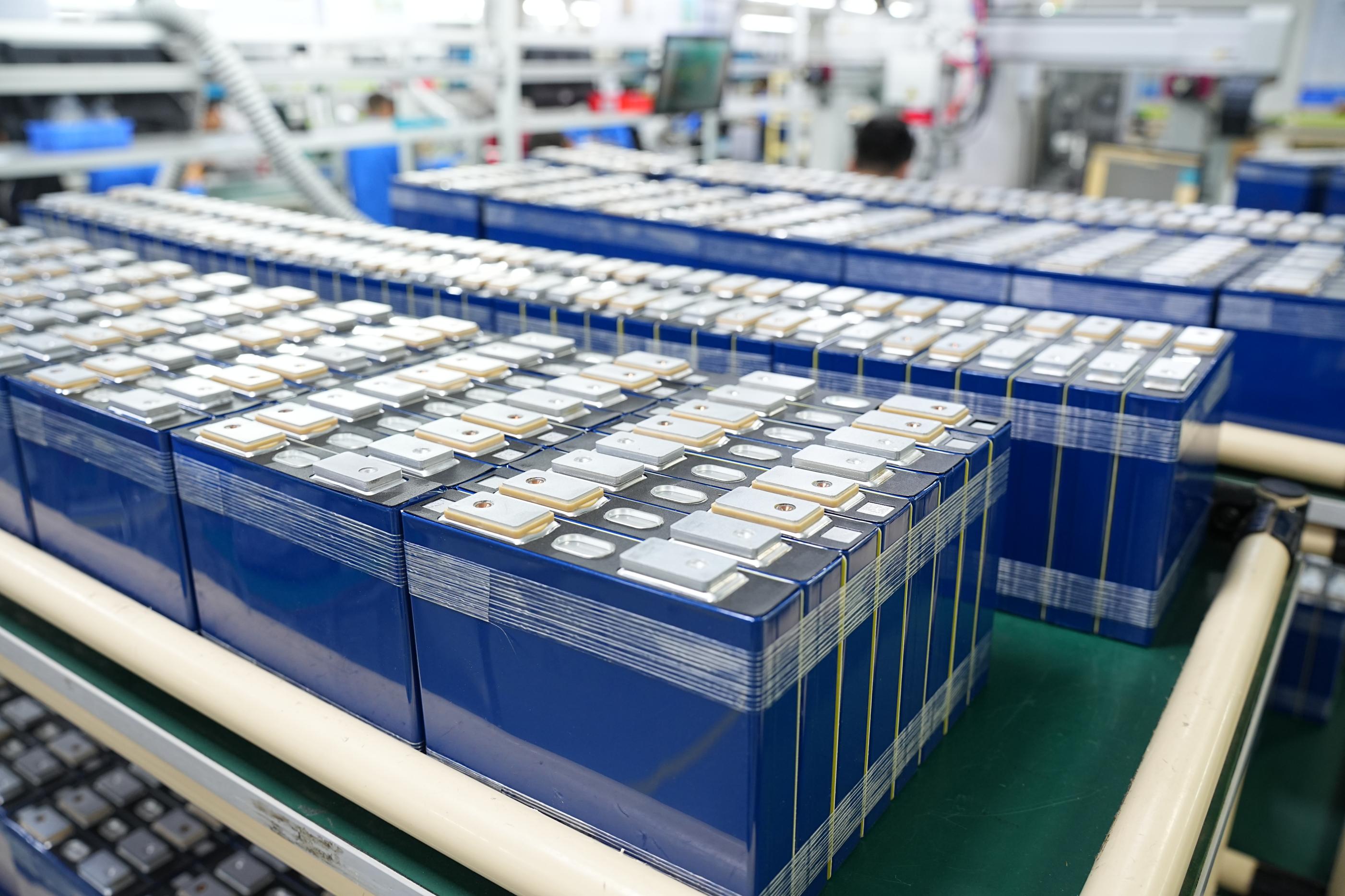
Wondering why lithium-ion batteries lose capacity over time? Learn cycle aging, temperature stress, bad charging habits and chemical decay that cause battery degradation, plus practical tips to extend battery lifespan.
View more
Discover how water triggers short circuits, electrolyte corrosion and lithium plating inside lithium-ion & LiPo packs. Learn emergency response, warning signs, safe disposal and how BAKTH IP-rated custom battery packs prevent water ingress for drones, marine and outdoor industrial equipment.
View more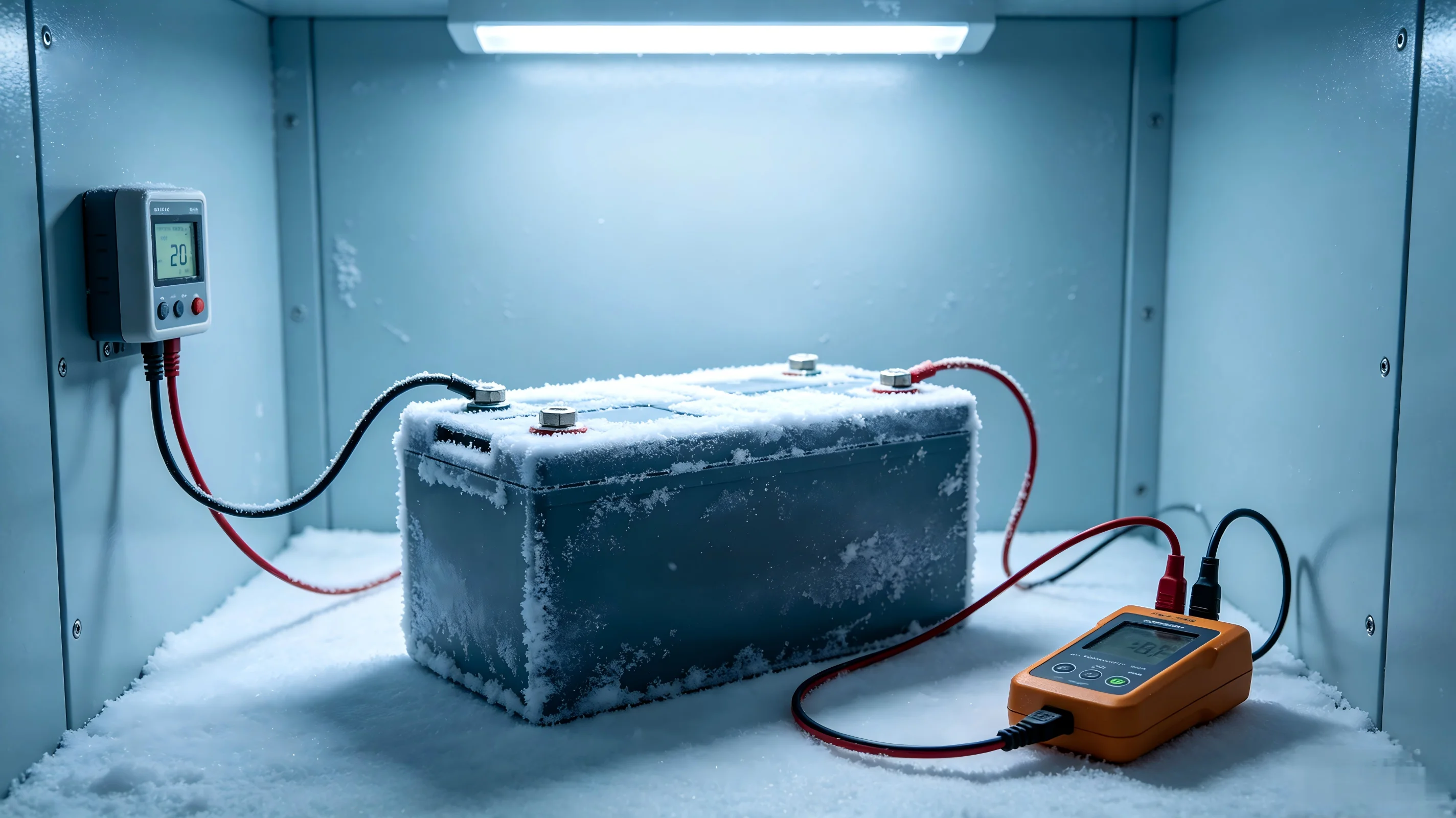
Uncover three root causes of lithium battery performance loss under low temperatures: slowed chemical kinetics, spiking internal resistance, and drastic capacity drop. Learn permanent risks like lithium plating, plus BAKTH’s low-temperature resistant battery packs for cold-climate drones, EVs and solar storage.
View more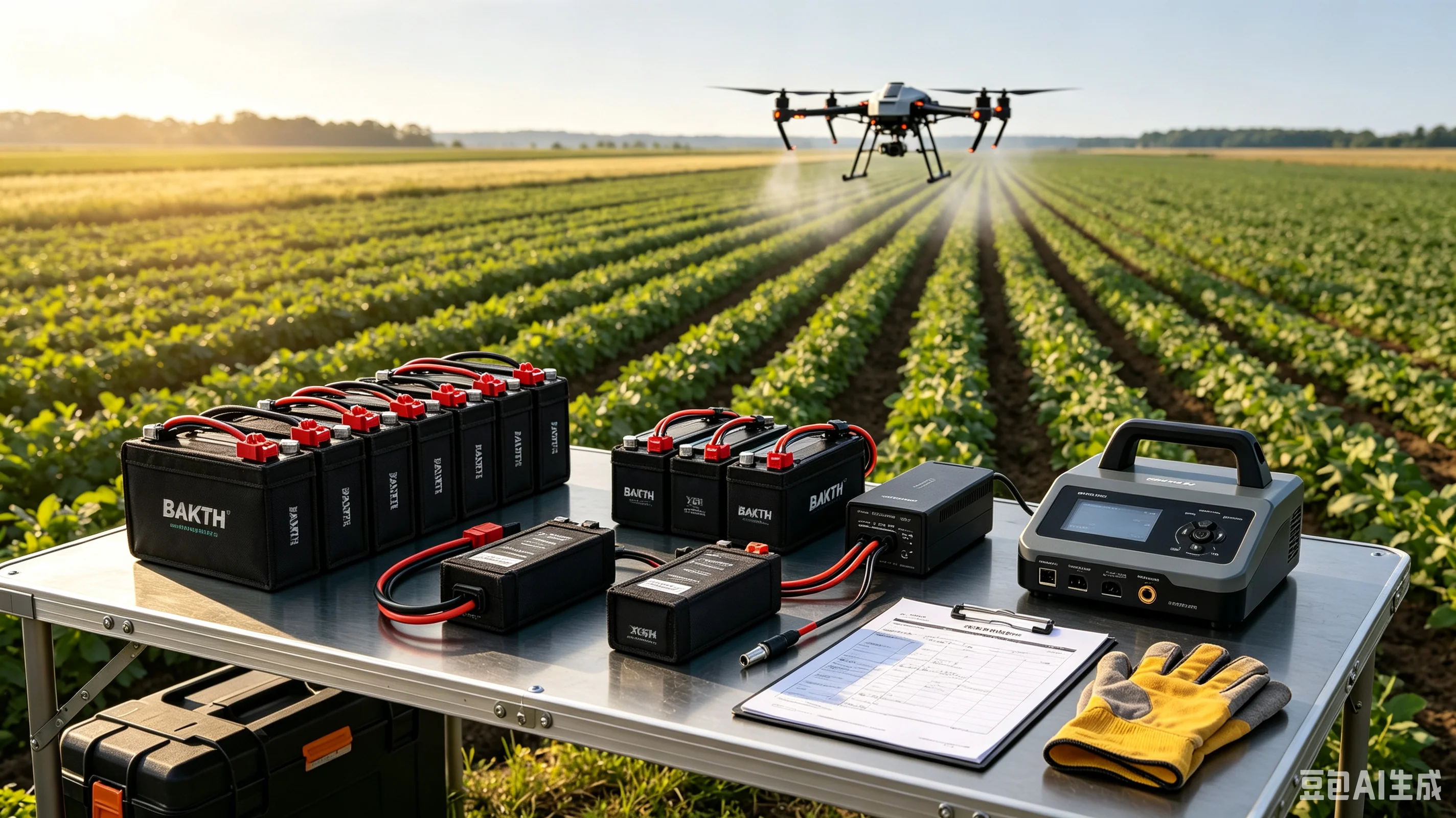
Learn why commercial drone flight time is always shorter than rated specs. Discover professional maintenance tips and how BAKTH’s industrial-grade drone battery packs extend endurance, stability and cycle life for agricultural, inspection and survey UAV fleets.
View more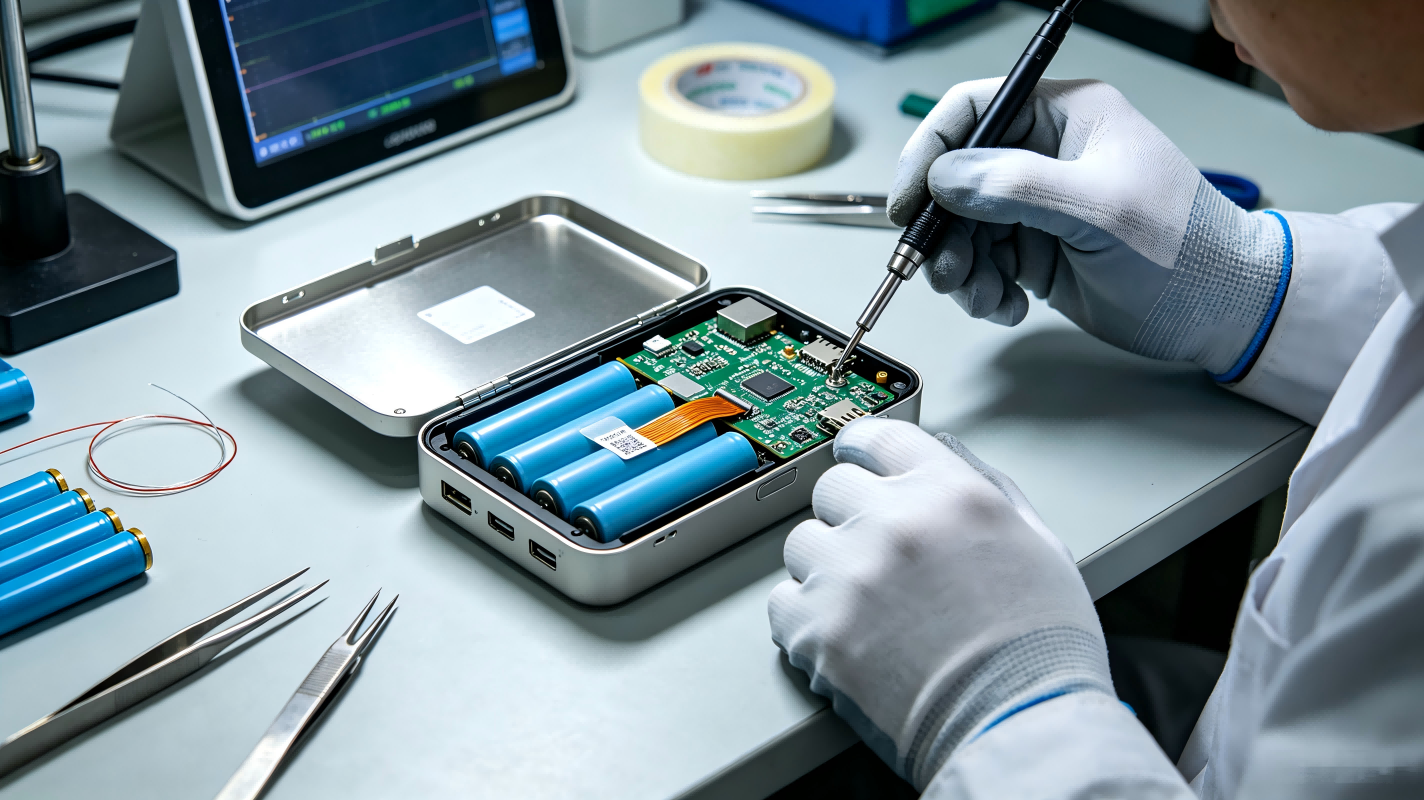
BAKTH shares 9 industrial-grade technical tips to extend lithium-ion & LiPo power bank battery pack lifespan. Optimize charge-discharge logic, temperature control, batch storage, and load management for OEM/ODM power bank projects.
View more
 Hotline
 Email
Email
 Address
RM 2201, Longshenghengbo Center, Jianshe East Road and Bulong Road Intersection, Longhua District, Shenzhen, Guangdong, China
B13 Bldg, Lihe Zijing Science and Technology Innovation Center Headquarters, No. 55, Qinghu East Road, Qingxi Town, Dongguan City, Guangdong Province, P.R. China


