

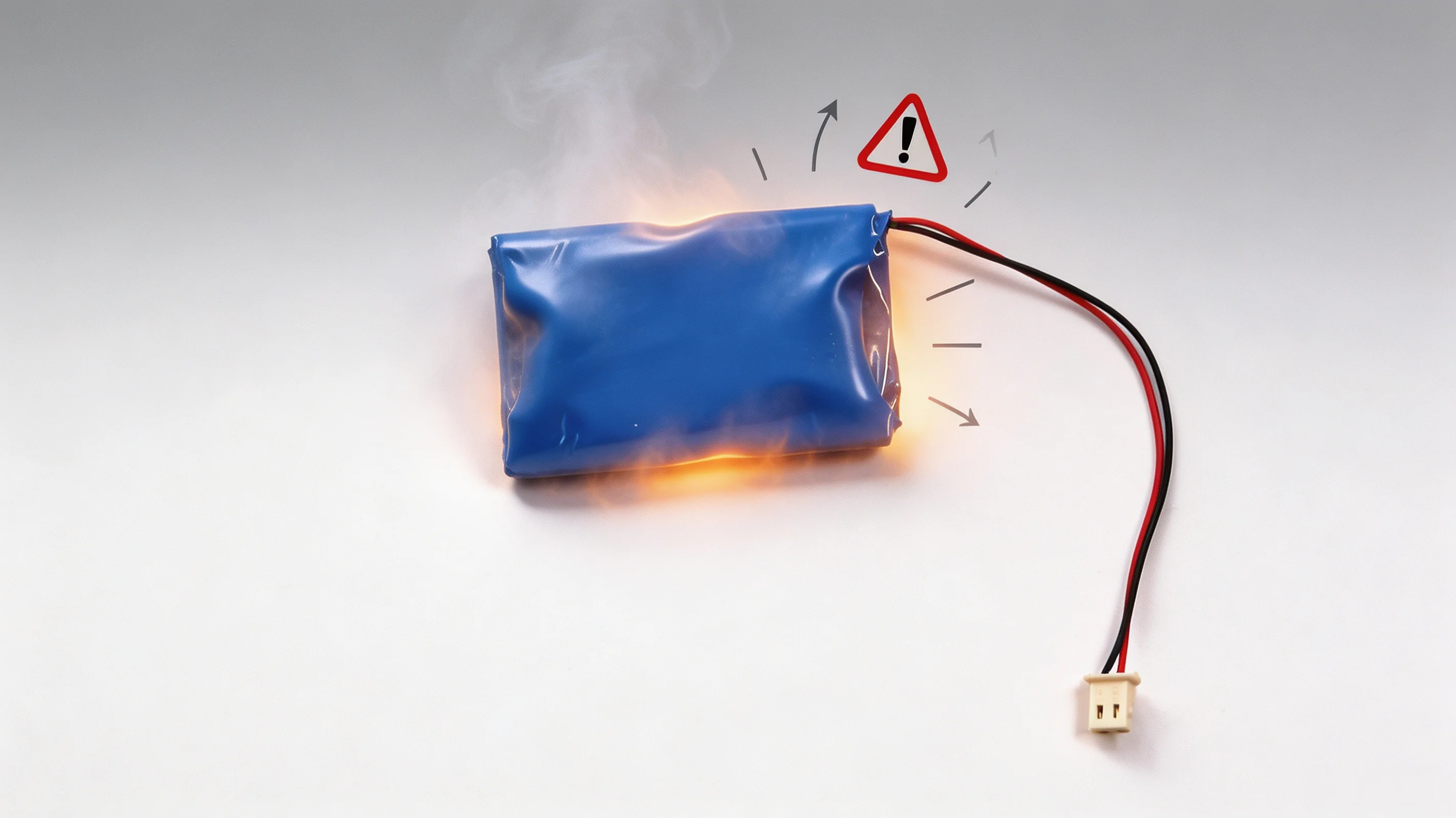
Lithium‑polymer batteries power drones, RC models, portable electronics and consumer gadgets. While delivering outstanding energy density, they carry real thermal risks. Minor warmth is normal under heavy load, yet unchecked overheating can trigger thermal runaway, permanent cell damage or fire. This article covers early warning clues, root triggers, emergency protocols and practical tips to keep your Li‑Po packs safe.
View more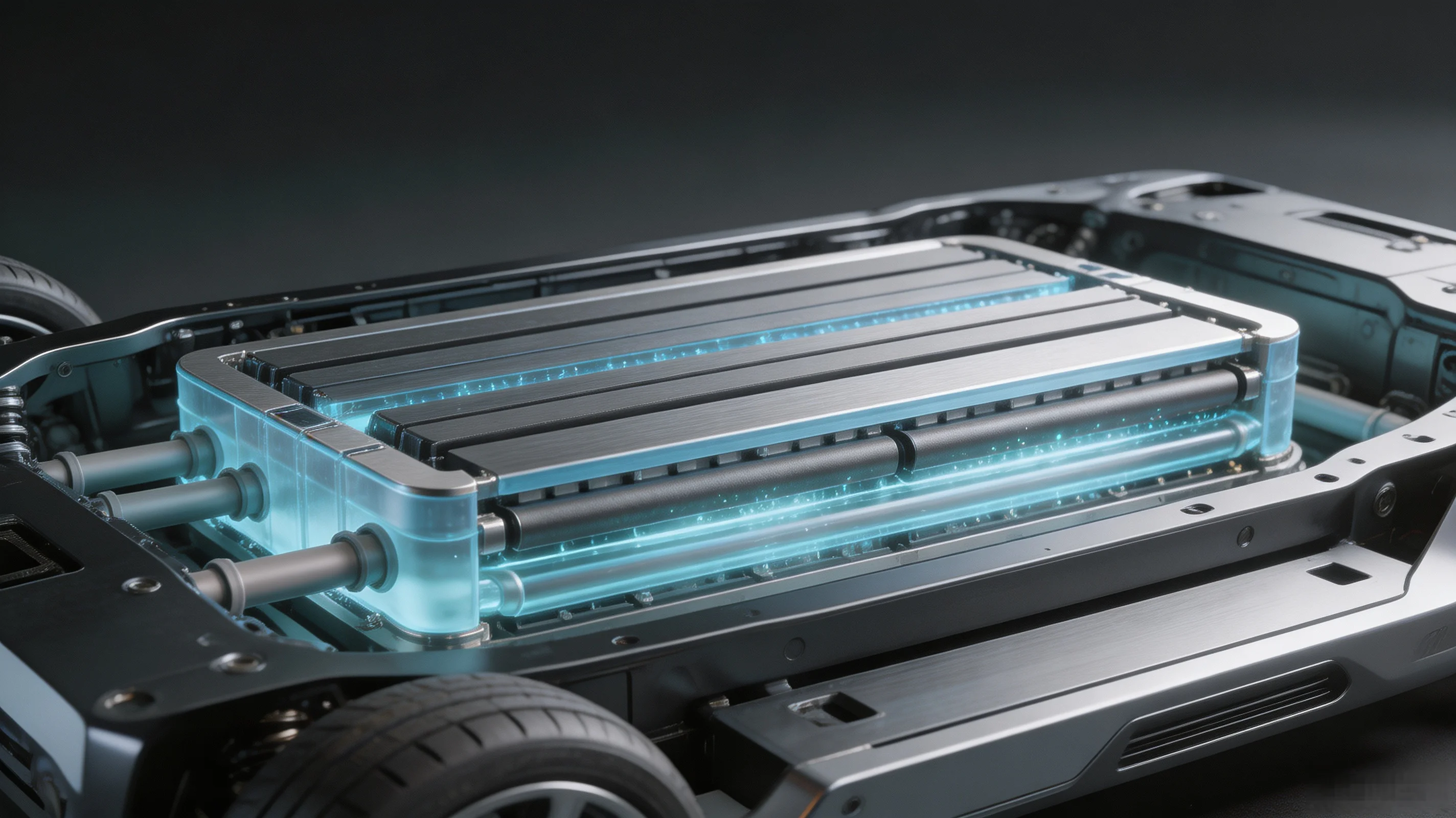
Electric vehicle performance has advanced dramatically over the past decade with longer ranges and faster charging. Yet mainstream EVs still rely on conventional liquid lithium-ion batteries with fundamental limitations. Emerging production-ready solid-state battery technology is set to overhaul electric mobility, delivering game-changing speed, safety, and durability for next-generation road transport.
View more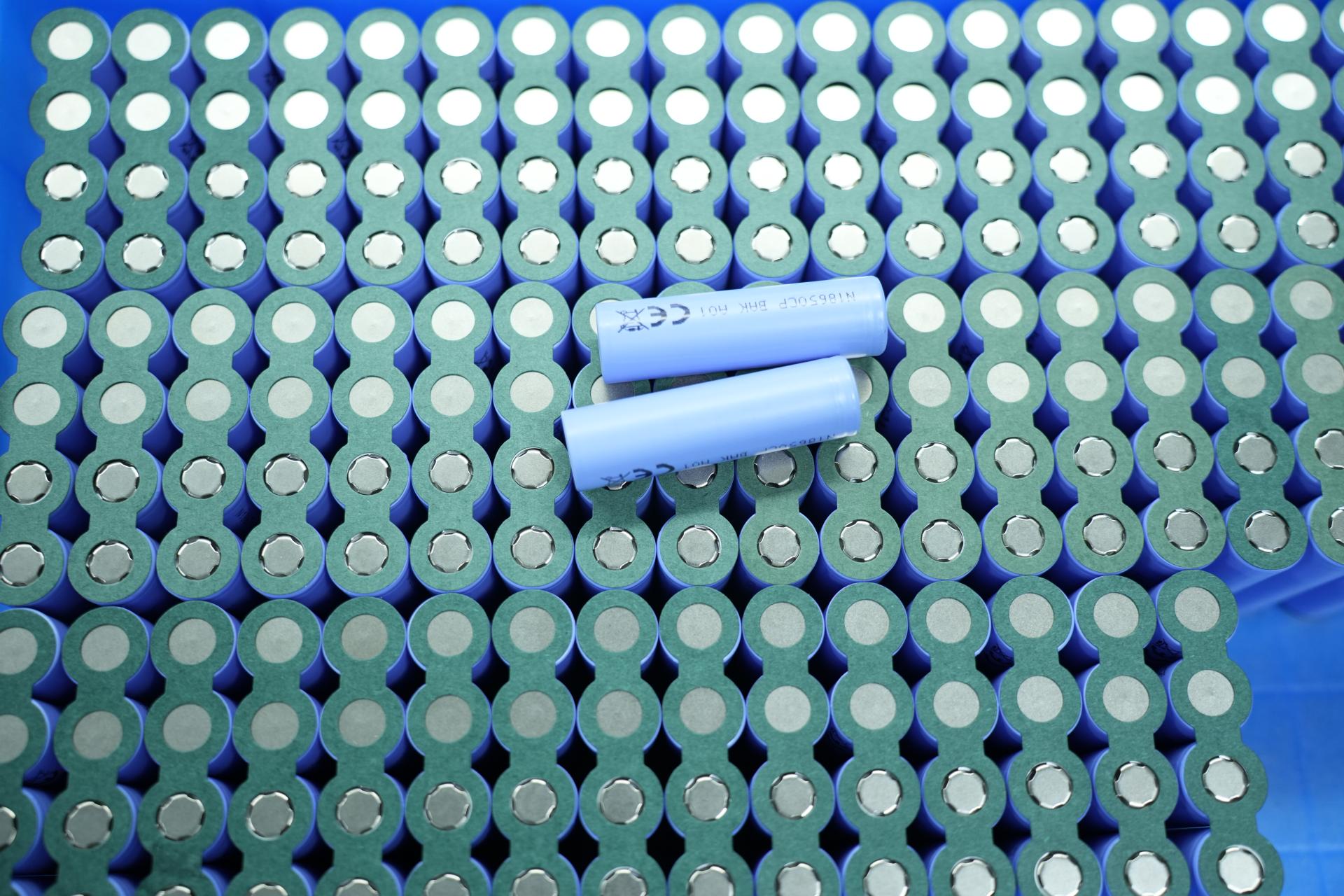
Choosing between NiMH and lithium-ion battery packs is one of the earliest critical decisions for custom power product development. Lithium delivers lightweight, high-density performance but comes with higher costs and strict safety design rules. NiMH provides an economical, low-risk power solution for moderate-load equipment. This guide breaks down technical specs, design tradeoffs and real-world use cases to simplify your battery selection.
View more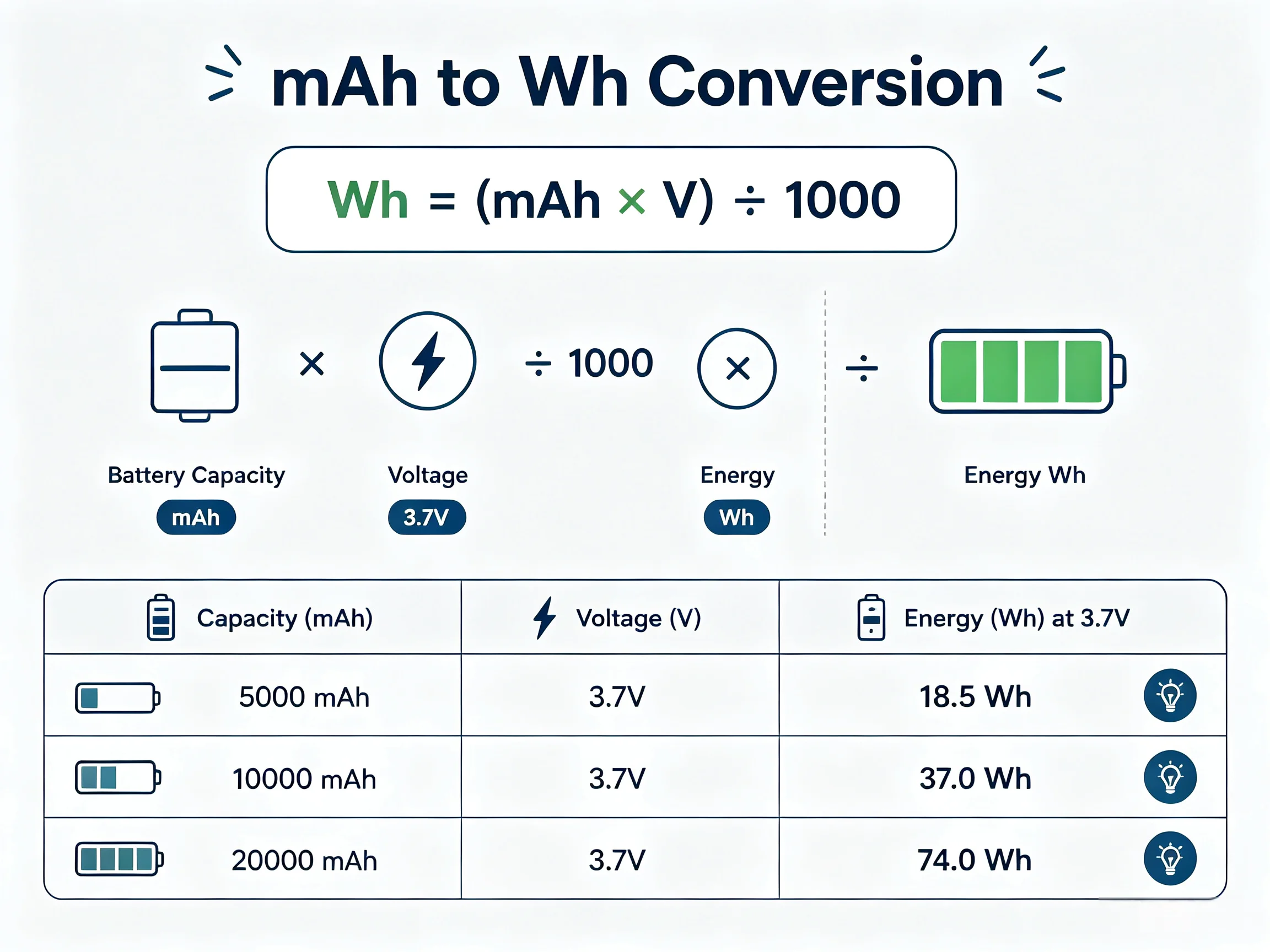
If you shop for lithium‑ion batteries, power banks or custom battery packs, you will constantly encounter the term mAh. Many buyers take mAh at face value, yet this common metric is widely misunderstood. This guide breaks down what milliampere‑hour measures, its real‑world limits, frequent misconceptions, and how to interpret mAh correctly for consumer and OEM battery projects.
View more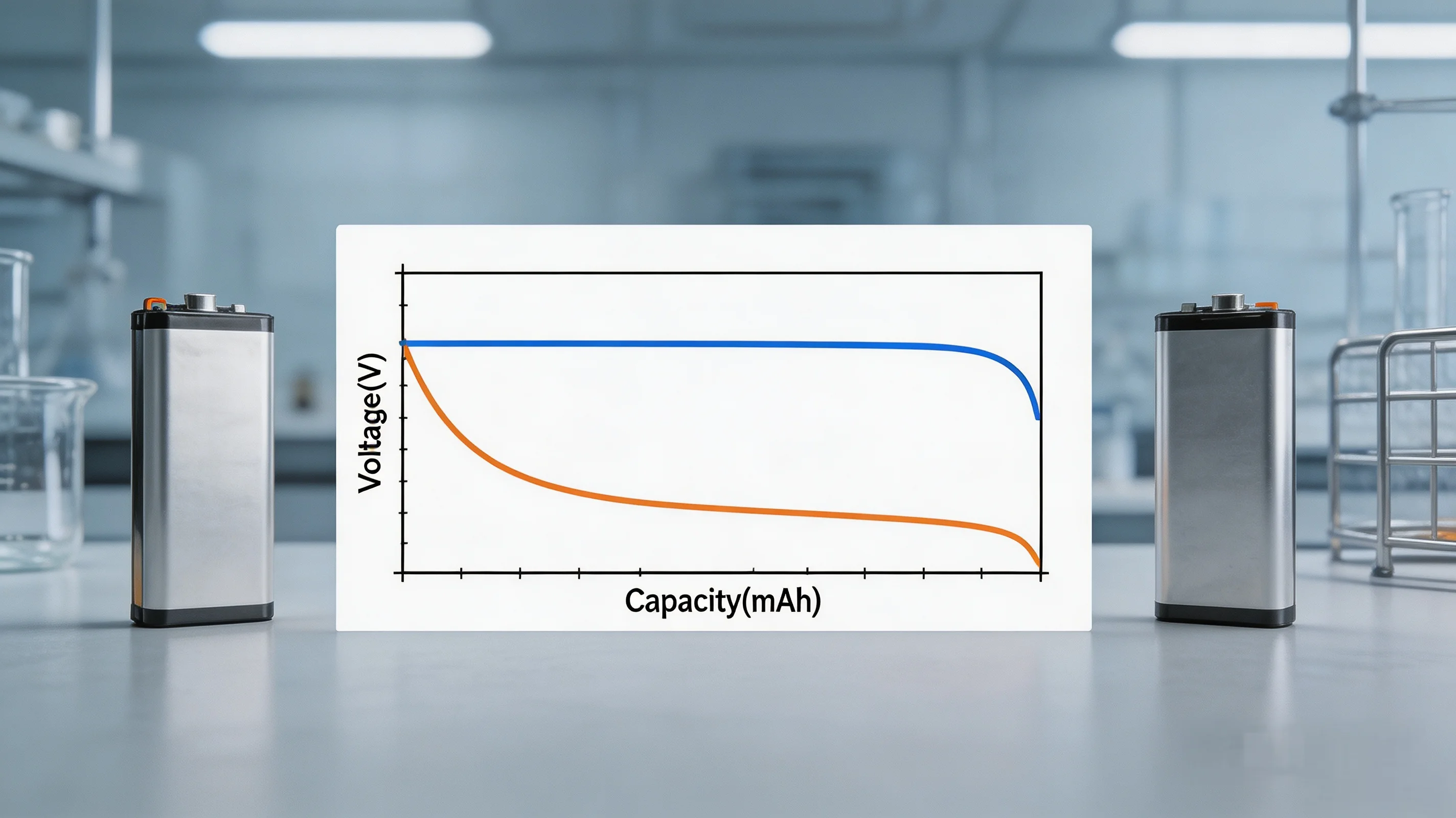
High‑discharge‑rate and standard‑rate lithium‑polymer batteries deliver vastly different real‑world performance, defined mainly by C‑rating. Mis‑matching cell rating to equipment load brings voltage drops, premature aging, and safety hazards. This article breaks down their technical gaps, test behaviours, use‑case fit and critical safety notes.
View more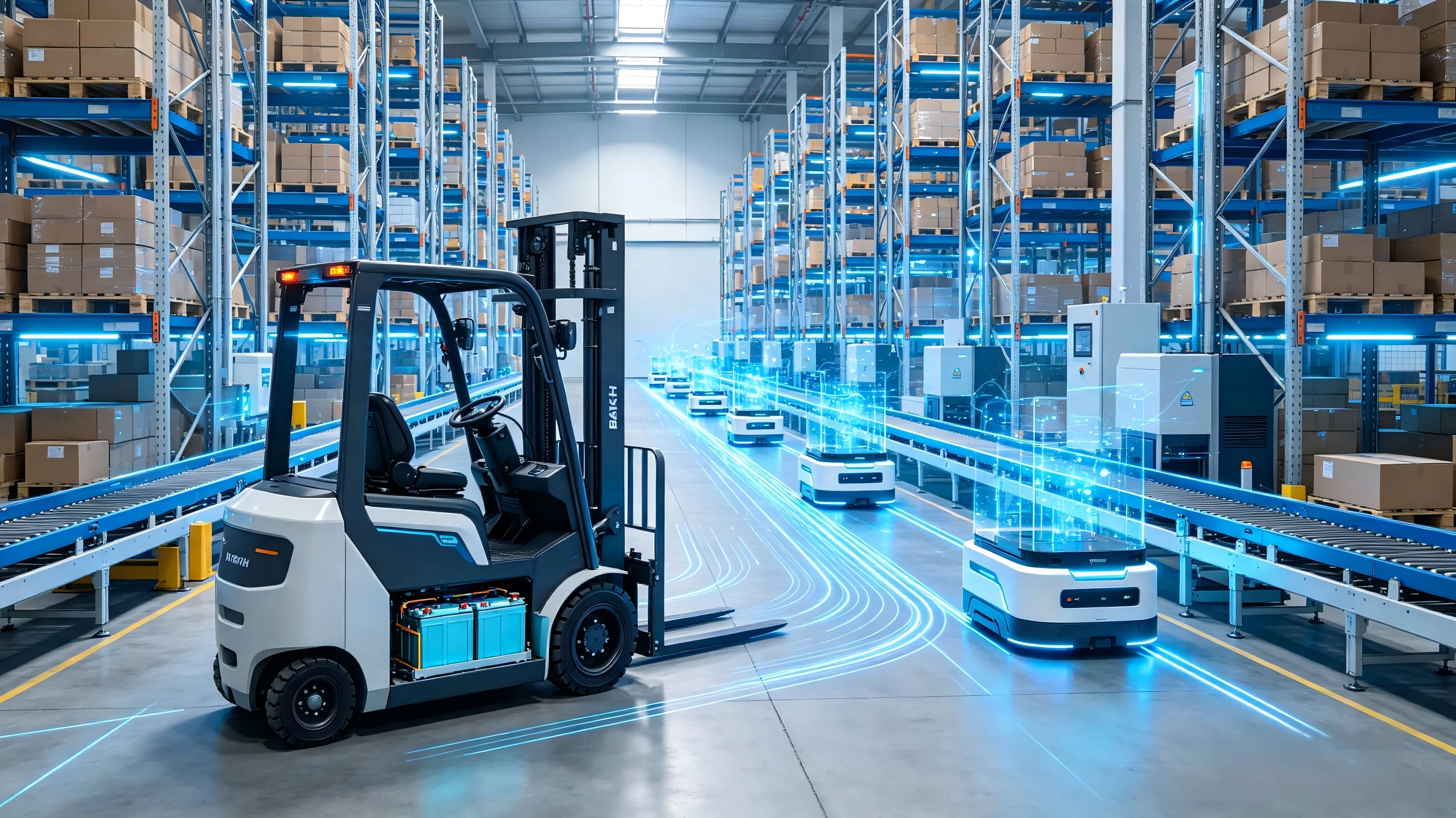
Discover why industrial lithium-ion batteries power automated manufacturing. Explore efficiency, cold storage performance, cloud monitoring, AGV/BESS applications, sustainability and core industry challenges.
View more
 Hotline
 Email
Email
 Address
RM 2201, Longshenghengbo Center, Jianshe East Road and Bulong Road Intersection, Longhua District, Shenzhen, Guangdong, China
B13 Bldg, Lihe Zijing Science and Technology Innovation Center Headquarters, No. 55, Qinghu East Road, Qingxi Town, Dongguan City, Guangdong Province, P.R. China


